
Charles Bulfinch (1763-1844) — History & Facts
In this portrait, the essence of transformation captures a moment suspended between the past and the promise of the future. It invites us to contemplate the fleeting nature of identity and the legacies we create. Focus on the figure of Charles Bulfinch, standing resolutely against a muted background that speaks of both elegance and simplicity. Observe the way the light gently highlights his features, casting soft shadows that evoke a sense of depth and character.
The warm tones of his attire contrast with the cool backdrop, emphasizing not just his stature but the weight of his achievements as an architect. Each brushstroke reveals a profound respect for detail, from the subtle folds of his clothing to the glint in his eye. Delve deeper into the subtle symbolism entwined in this composition. The choice of colors mirrors the duality of Bulfinch’s role: not only a man of action but also a thinker deeply engaged with the ideals of his time.
His poised expression balances confidence with introspection, embodying the transformative spirit of early American architecture. The careful rendering of his hands suggests the dexterous labor of creation, bridging the gap between vision and reality. In 1786, Mather Brown created this portrait during a dynamic period in his career, having recently moved to America from Britain. As the nation was defining its identity, Brown embraced the evolving artistic scene while simultaneously reflecting on the Neoclassical traditions of his homeland.
This work illustrates both personal and national transformation, capturing a pivotal moment in American history as Bulfinch laid the groundwork for a distinctive architectural style.
More Portrait Art
Browse all →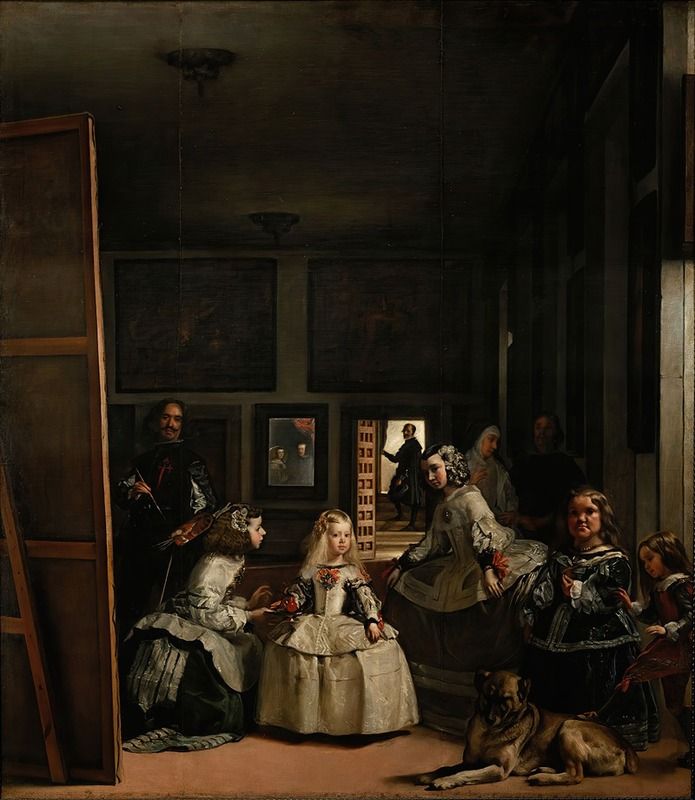
Las meninas
Diego Velázquez

Self-portrait with a Bandaged Ear and Pipe
Unidentified artist
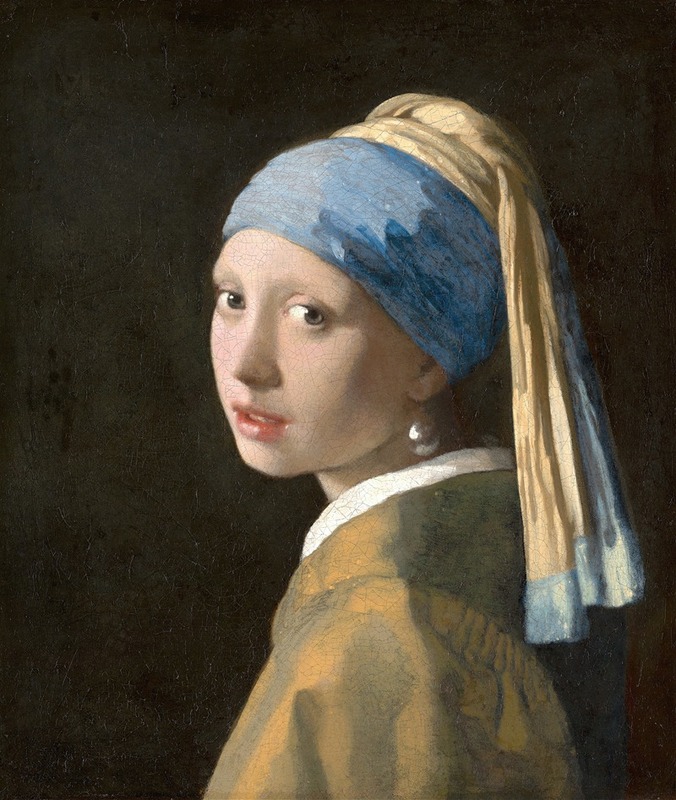
Girl with a Pearl Earring
Johannes Vermeer

The Sampling Officials of the Amsterdam Drapers’ Guild, Known as ‘The Syndics’
Rembrandt van Rijn

The Hundred Guilder Print: the man seen on the back in the lower left corner
Rembrandt van Rijn

Portrait of Dr Gachet
Vincent van Gogh