
Christus op de Olijfberg — History & Facts
Who listens when art speaks of silence? The interplay of light and shadow in Christus op de Olijfberg invites us into a profound stillness, where every hue whispers secrets of emotion and contemplation. Look to the center of the canvas, where Christ kneels, bathed in a soft, almost celestial light that radiates from above. The delicate brushwork almost seems to capture a breath, highlighting the tension in His figure as He wrestles with destiny. Notice how the surrounding dark foliage contrasts sharply with His illuminated visage, emphasizing the weight of the moment.
The composition leads our gaze, suggesting that the weight of this divine moment rests not solely on the subject, but also on the viewer's understanding of sacrifice. Delving deeper, one can perceive the juxtaposition of serenity and turmoil within the scene. The tranquil expression on Christ's face is at odds with the tumultuous emotions that lie hidden in the shadows. The multi-layered textures of the clothing and the ethereal glow around His head serve to heighten the sense of duality: a man grappling with sorrow yet enveloped in divine purpose.
This tension resonates, inviting the viewer to reflect on their own struggles and the silent battles faced in moments of isolation. Jonas Umbach painted this piece during the 17th century, a time when Baroque art flourished, largely focusing on intense emotional expression and dramatic lighting. Working in the Netherlands, he was influenced by the prevailing trends of his time, refining his ability to convey profound themes through light and shadow. As Europe grappled with religious strife and the search for spiritual certainty, Umbach's work echoed the era's complexities, allowing for a meditative pause amidst the chaos of the world outside.
More Artworks by Jonas Umbach
Browse all →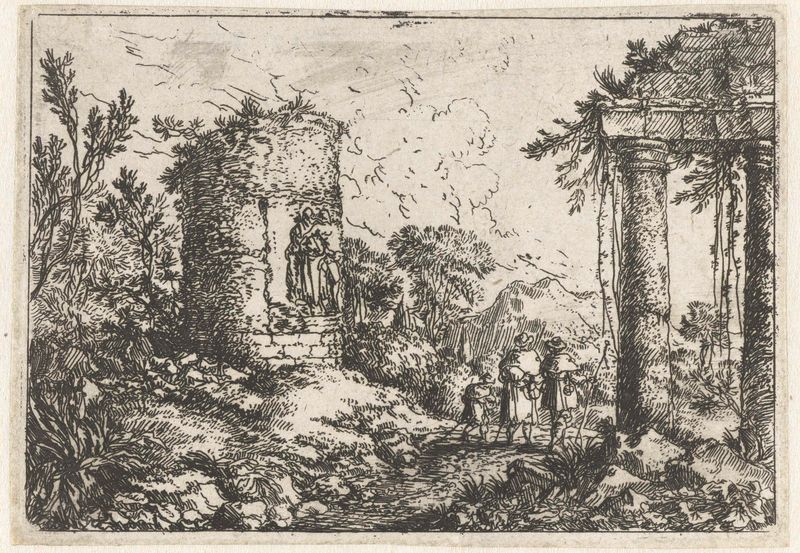
Landschap met ruïnes en drie pelgrims
Jonas Umbach

Johannes de Doper water drinkend
Jonas Umbach

Heilige Antonius van Padua en zijn visioen van het Christuskind
Jonas Umbach
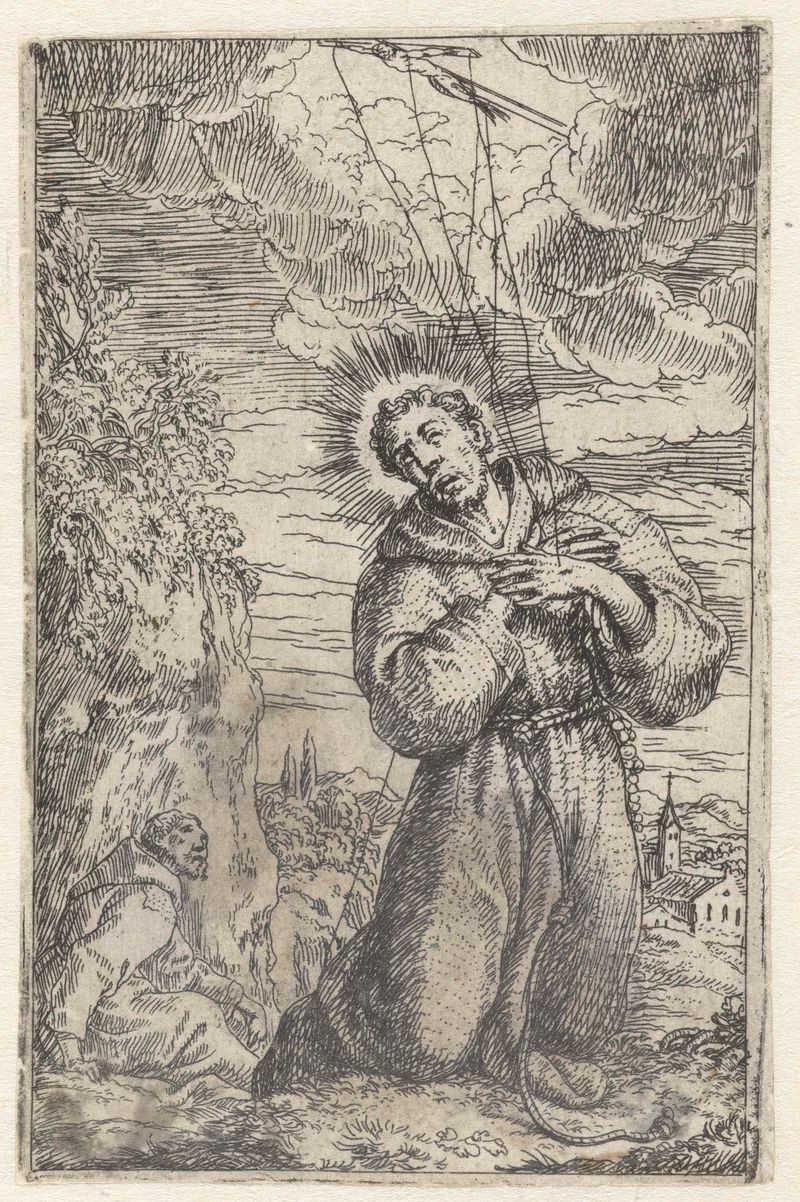
Stigmatisatie van heilige Franciscus
Jonas Umbach
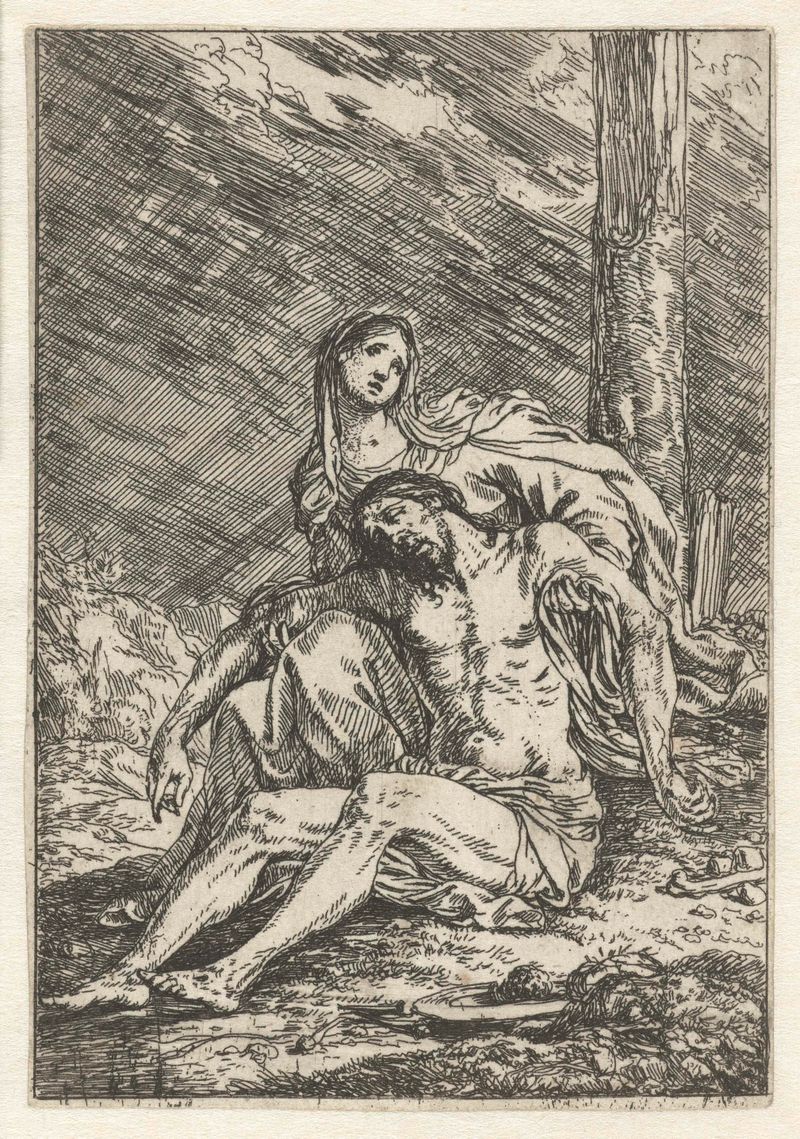
Maria met het lichaam van Christus (Pietà)
Jonas Umbach

Stigmatisatie van heilige Franciscus
Jonas Umbach
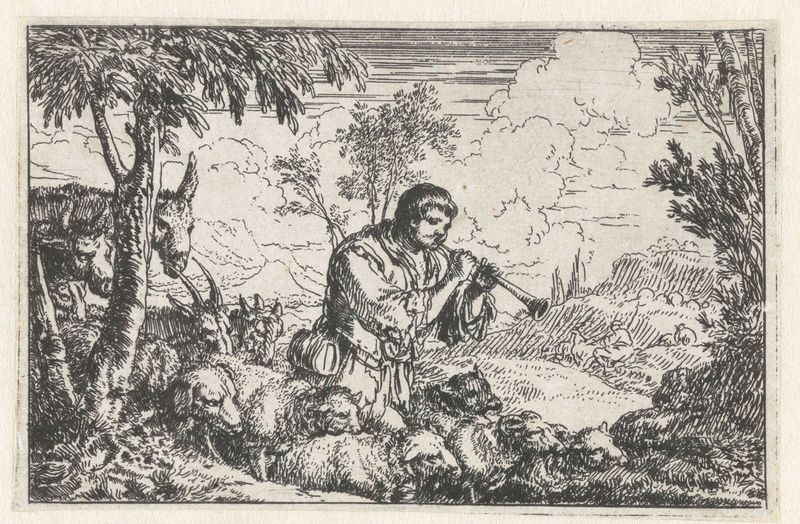
Schalmeispelende herder met kudde
Jonas Umbach
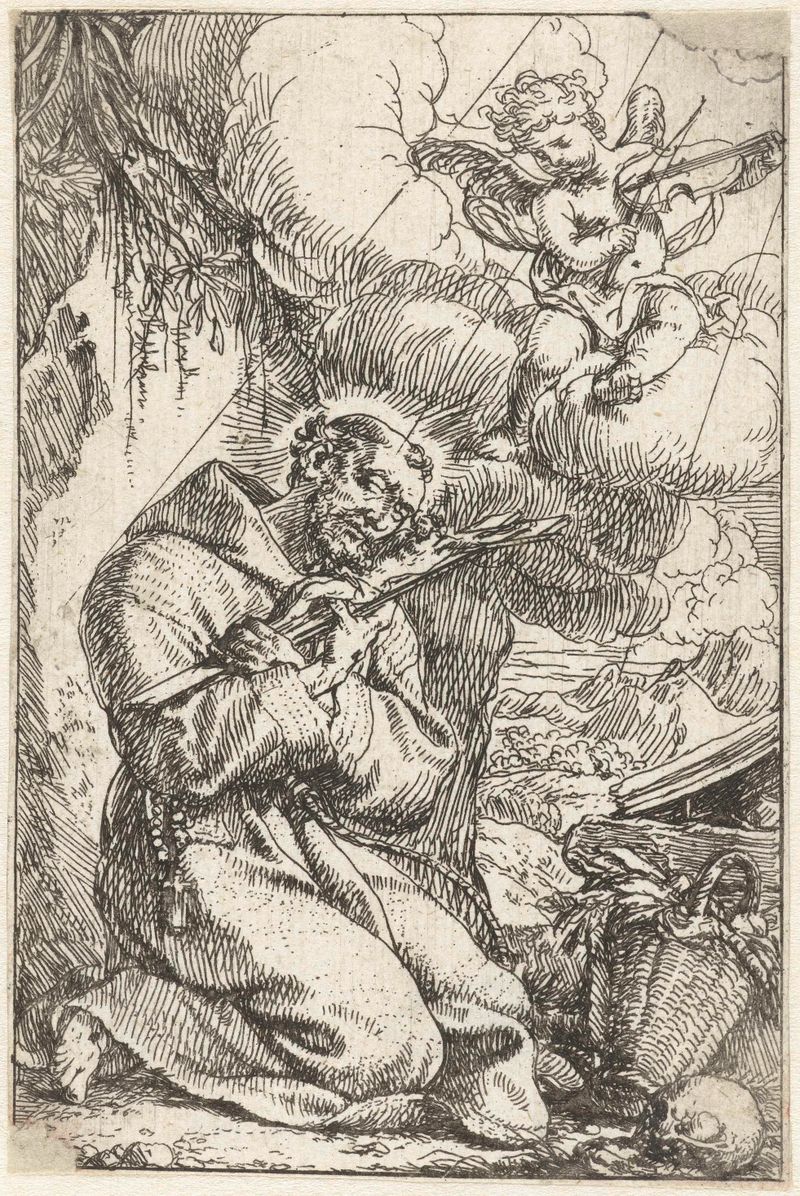
Heilige Franciscus het kruis kussend
Jonas Umbach
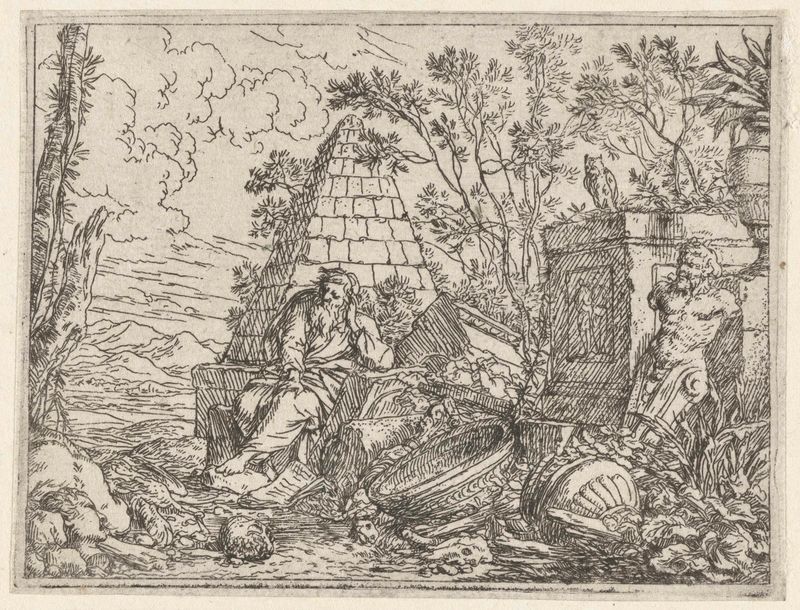
Democritus mediterend
Jonas Umbach

Twee rustende jagers met hun honden en buit
Jonas Umbach
More Religious Art
Browse all →
The Return of the Prodigal Son
Rembrandt van Rijn

The Garden of Earthly Delights
El Bosco

Count Orgaz’ funeral
El Greco

The Hundred Guilder Print: the central piece with Christ preaching, the plate arched
Rembrandt van Rijn

The Descent from the Cross
Rogier van der Weyden

The return of the prodigal son
Rembrandt van Rijn