
Clarke Gayton Pickman (1791-1860) — History & Facts
In the stillness of a moment caught in vibrant color, emotions resonate beyond the surface, inviting the viewer to delve deeper into the heart of the subject. Look to the left, where rich hues of deep blues and browns envelop the figure in an aura of dignity. The intricate brushwork creates a sense of texture, rendering both the fabric of the clothing and the character's skin with remarkable depth. Notice how the light dances across his face, highlighting the contemplative expression that suggests an inner world filled with thoughts and memories.
Each stroke seems to pulse with life, drawing your gaze across the entirety of the canvas. Yet, beneath this vivid exterior lies a poignant contrast between man and nature, a tension between the person and the world they inhabit. The warm tones of the figure juxtaposed against the cooler background evoke a sense of isolation, as if he is caught between past and present. Fragments of color weave stories of belonging and longing, illuminating the complexities of identity in an era marked by both progress and uncertainty. In 1852, the artist created this compelling portrait during a period of profound personal and artistic exploration.
Hoit was deeply engaged in the evolving American art scene, grappling with themes of identity and representation. This work reflects not only his skill but also the broader cultural dialogues of the time, bridging the gap between the individual and the rapidly changing world around him.
More Artworks by Albert Gallatin Hoit
Browse all →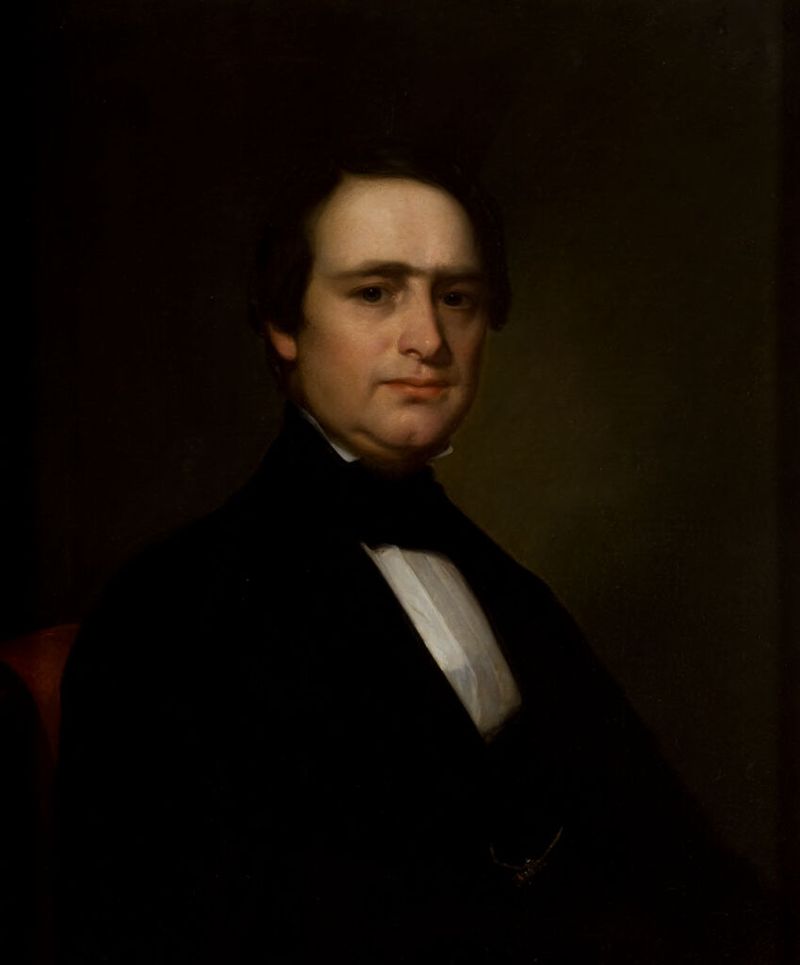
More Portrait Art
Browse all →
Las meninas
Diego Velázquez

Self-portrait with a Bandaged Ear and Pipe
Unidentified artist

Girl with a Pearl Earring
Johannes Vermeer

The Sampling Officials of the Amsterdam Drapers’ Guild, Known as ‘The Syndics’
Rembrandt van Rijn

The Hundred Guilder Print: the man seen on the back in the lower left corner
Rembrandt van Rijn

Portrait of Dr Gachet
Vincent van Gogh