
Colonel John Lee (1695-1761) — History & Facts
In the interplay of light and shadow, we find not just the image, but the essence of a man captured with both precision and intimacy. Here, Ramsay's brush transcends mere representation, allowing viewers to behold the spirit residing within the portrait. Look at the figure centered in the composition: Colonel John Lee stands tall, clad in a rich, dark coat that contrasts against the soft glow of the background. Notice how the warm light caresses the contours of his face, emphasizing the strong jawline and the resolute gaze that seems to pierce through time.
The play of light highlights the intricate details of his attire, drawing attention to the lace collar, which whispers of elegance and social standing, while the subtle texture of the fabric invites a closer inspection. Beneath the surface lies a narrative of strength and resilience. The colonel's expression, though composed, hints at the burdens carried by a man of his stature, especially during a time of political strife and uncertainty. The choice of colors, ranging from the deep earth tones to the gentle illumination, symbolizes the duality of human experience — the weight of duty balanced by the grace of privilege.
His posture, slightly turned yet firmly grounded, suggests both approachability and an air of authority, revealing a complex personality shaped by the era's turmoil. In 1744, when this portrait was painted, Allan Ramsay was emerging as a prominent figure in the British art scene, embracing a style rooted in both realism and intimacy. At this time, the nation was grappling with the aftermath of the Jacobite uprisings, creating a backdrop that heightened the significance of leaders like Lee. Ramsay's work not only reflects the societal dynamics of his day but also showcases the artist's ability to encapsulate the human spirit amidst the unfolding drama of history.
More Artworks by Allan Ramsay
Browse all →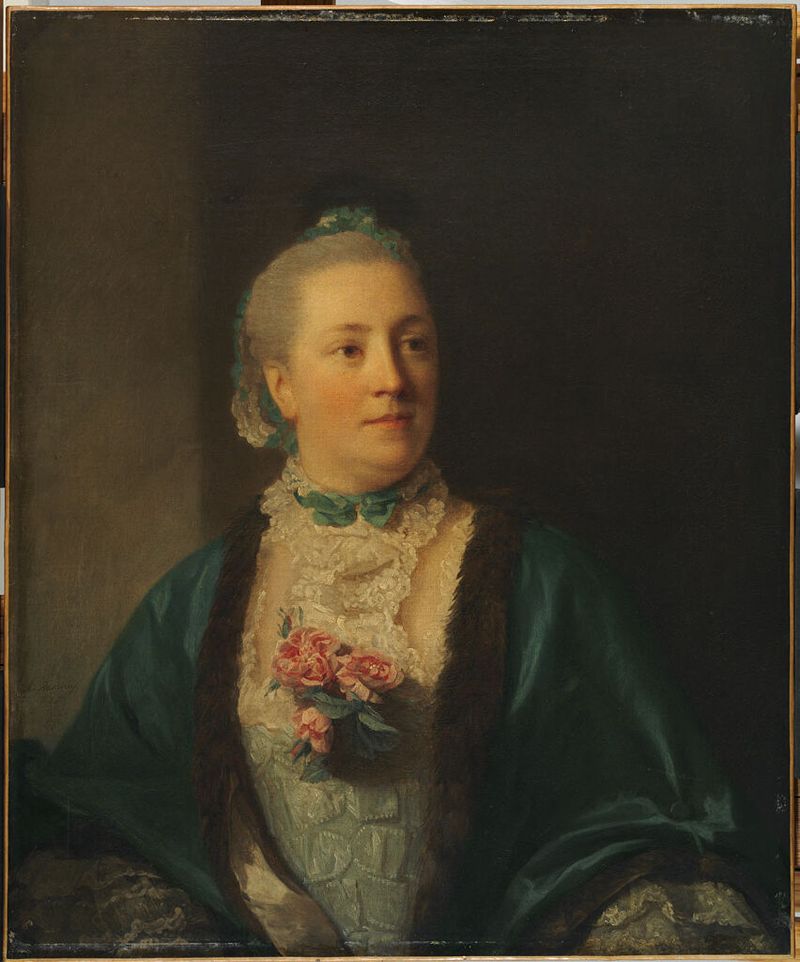
More Portrait Art
Browse all →
Las meninas
Diego Velázquez

Self-portrait with a Bandaged Ear and Pipe
Unidentified artist

Girl with a Pearl Earring
Johannes Vermeer

The Sampling Officials of the Amsterdam Drapers’ Guild, Known as ‘The Syndics’
Rembrandt van Rijn

The Hundred Guilder Print: the man seen on the back in the lower left corner
Rembrandt van Rijn

Portrait of Dr Gachet
Vincent van Gogh