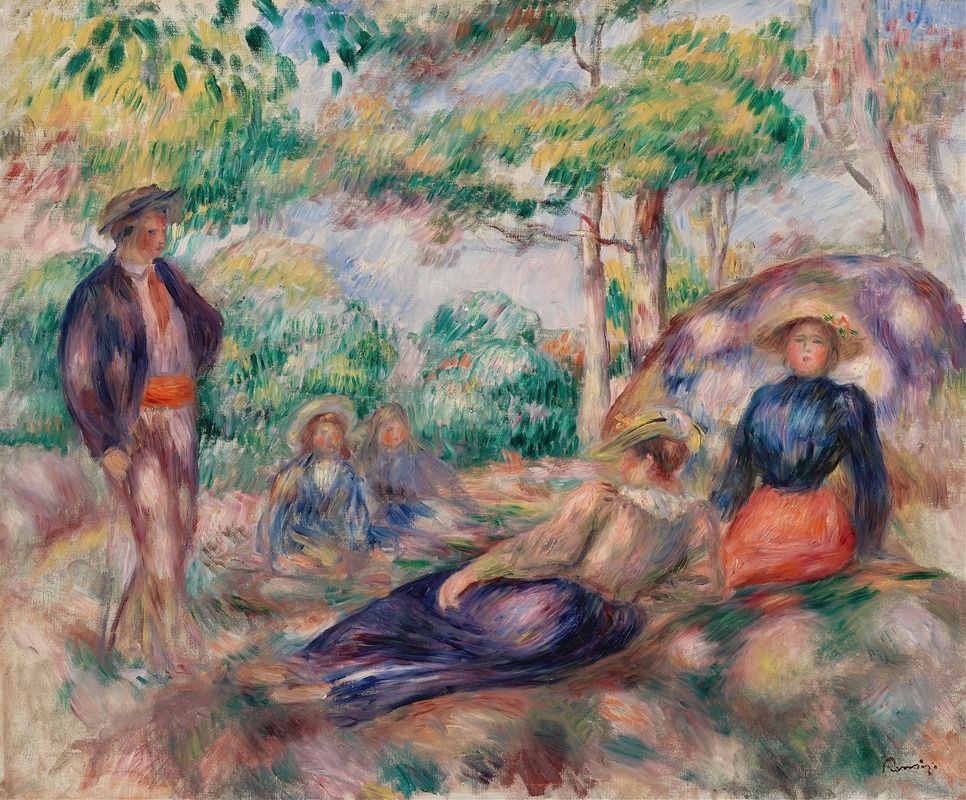
Discover insights about this artwork
Dans i et osteri — History & Facts
In Dans i et osteri, Wilhelm Marstrand captures a lively tavern scene filled with dancing figures. The colors are warm and inviting, with rich browns and yellows dominating the palette. The figures are dressed in period clothing, suggesting a historical setting.
The atmosphere is vibrant, showcasing the joy and energy of the dance. The painting is executed in oil on canvas, a medium that allows for rich texture and depth. Marstrand's brushwork is visible, adding movement to the figures as they dance. The composition is balanced, with the dancers arranged in a way that draws the viewer's eye throughout the scene.
The use of light and shadow enhances the three-dimensionality of the figures. Wilhelm Marstrand was a Danish painter known for his depictions of everyday life. This work, created in the 1860s, reflects the Realism movement, focusing on ordinary subjects and scenes. An interesting fact about this painting is that it showcases the social culture of Denmark during that era, highlighting the importance of communal gatherings in taverns.
Marstrand's ability to capture movement and emotion makes this piece a notable example of his work.
More Artworks by Wilhelm Marstrand
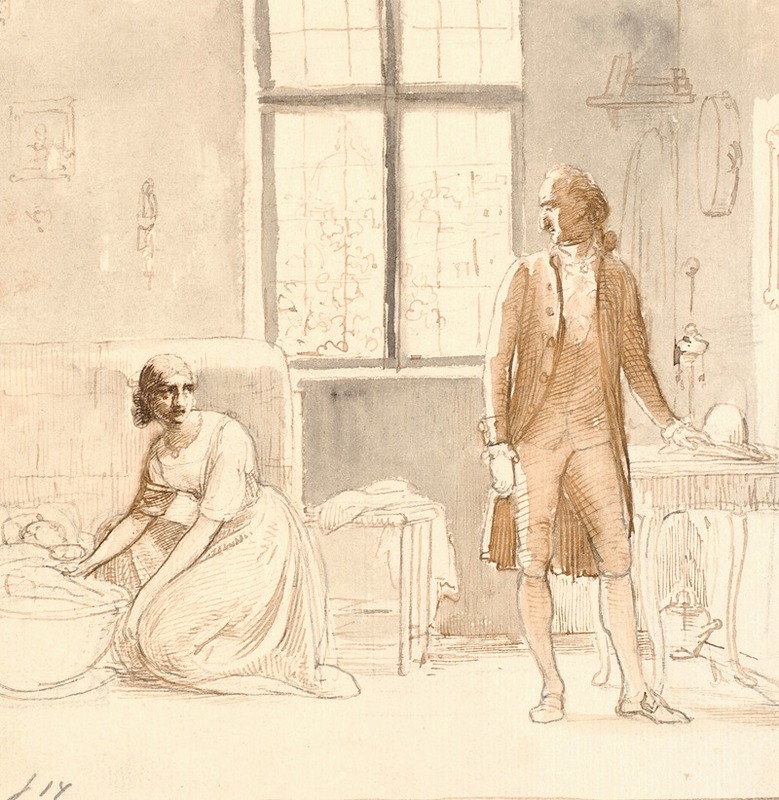
Goethe hos enken i Rom
Wilhelm Marstrand
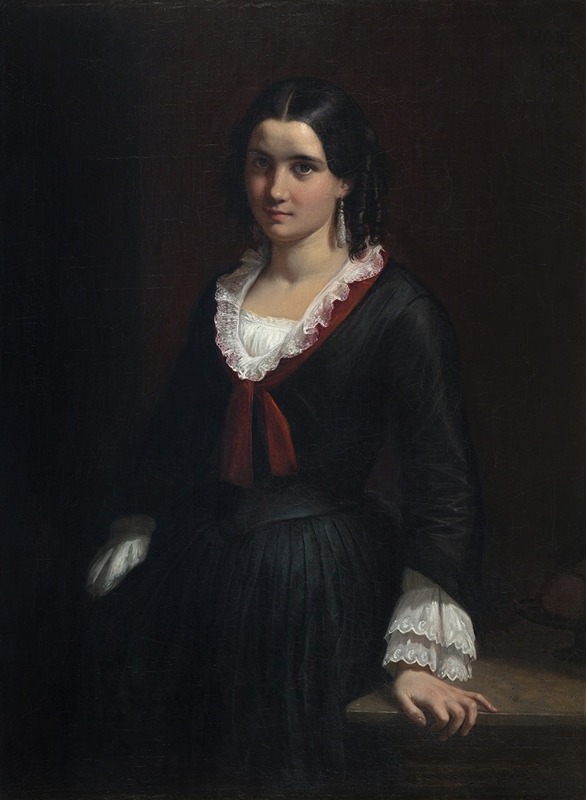
Portrait of Miss Vilhelmine (Ville) Hage, later Mrs. Heise (1838-1912)
Wilhelm Marstrand
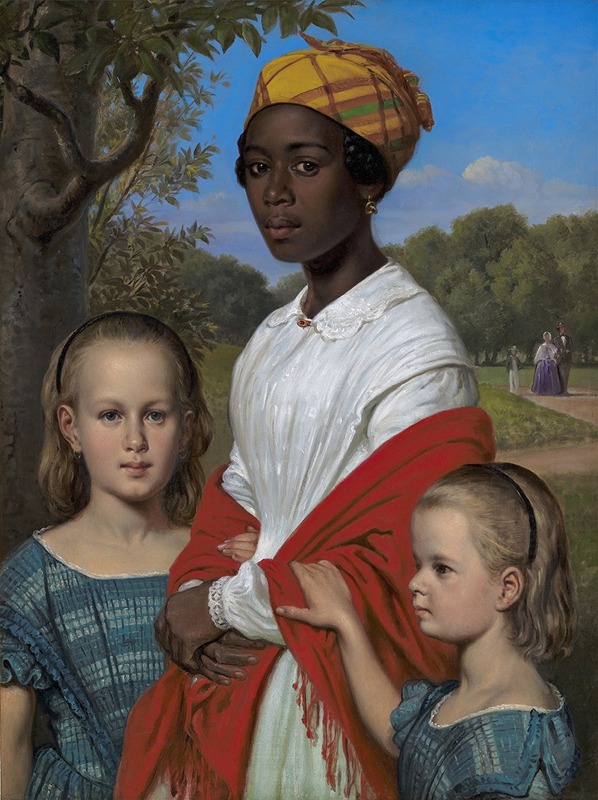
Portrait of Otto Marstrand’s two Daughters and their West-Indian Nanny, Justina Antoine, in the Frederiksberg Gardens near Copenhagen
Wilhelm Marstrand
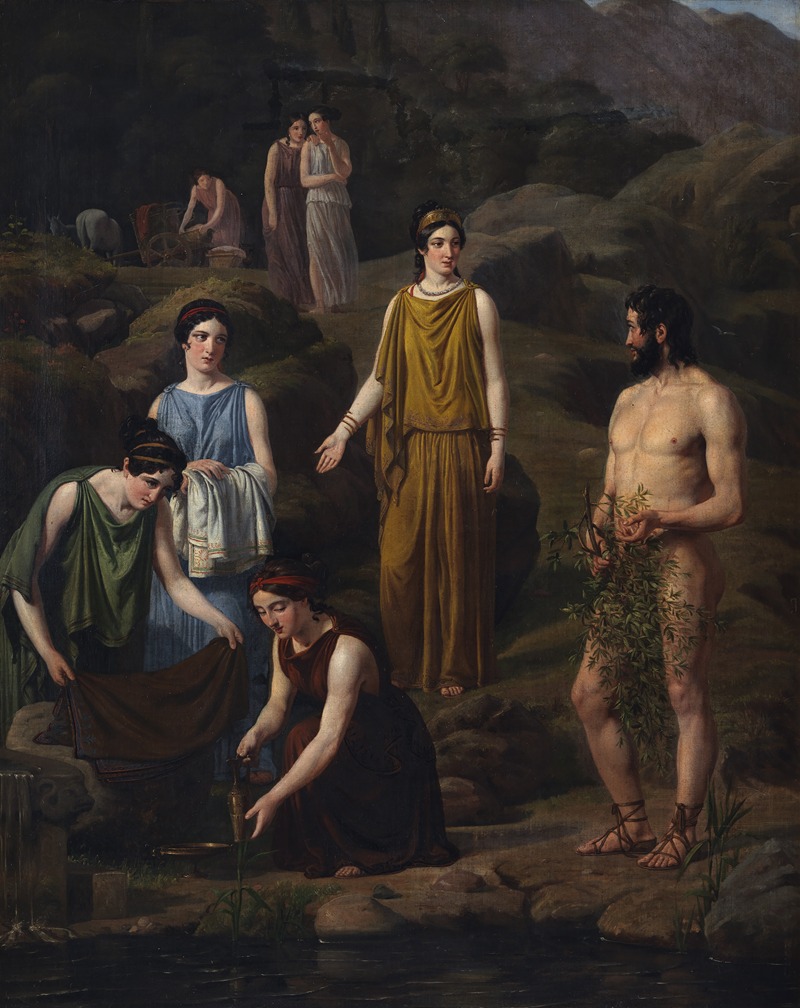
Nausikaa bringer den skibbrudne Odysseus klæder
Wilhelm Marstrand
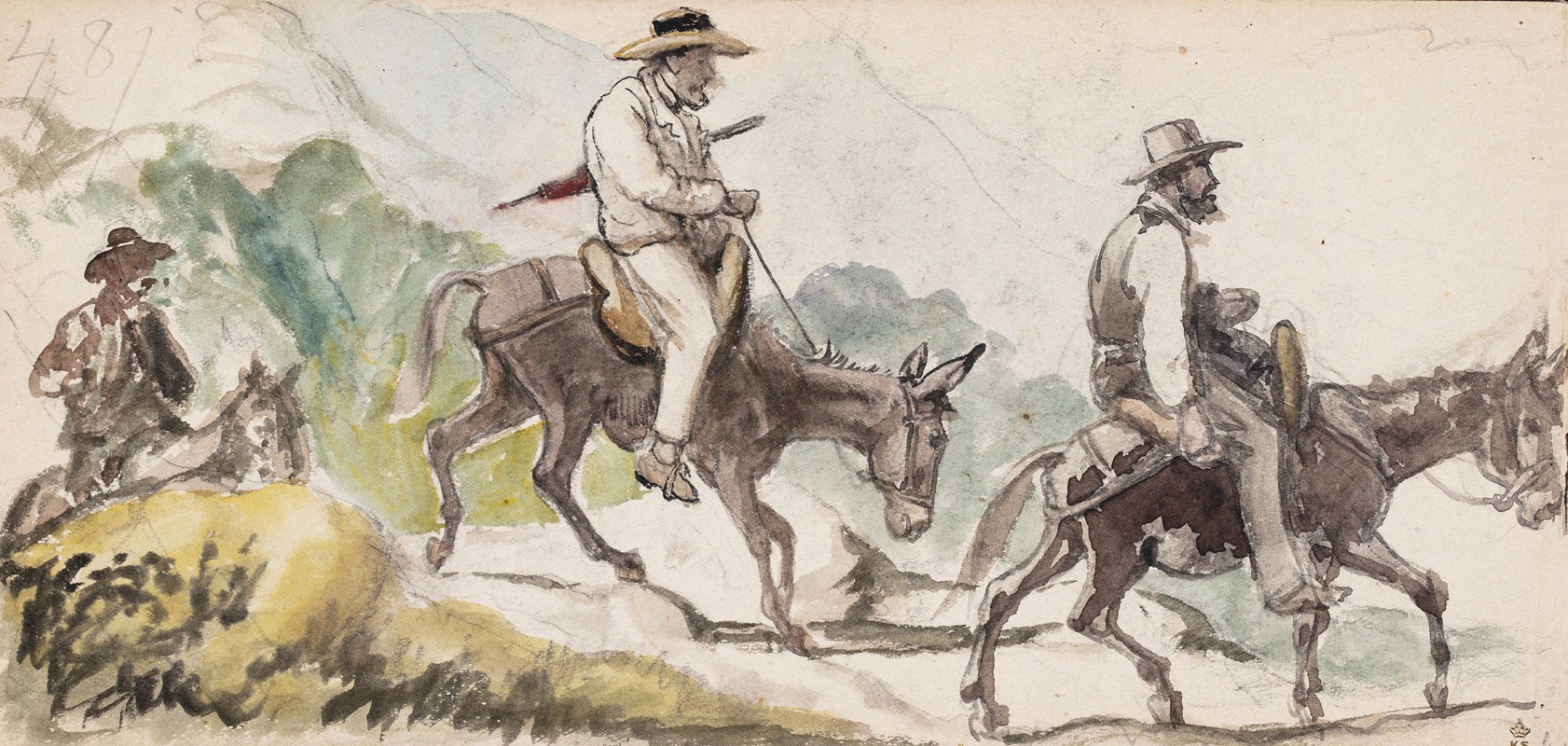
Blank
Wilhelm Marstrand
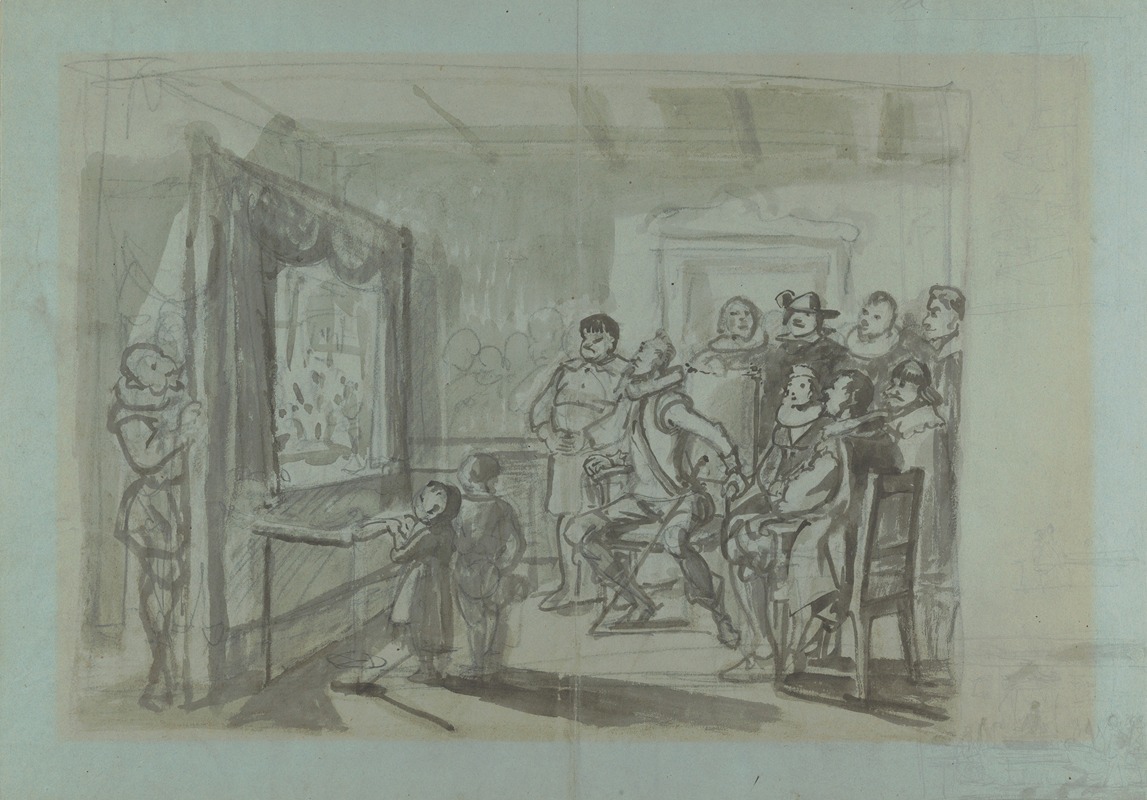
Don Quixote and Others Attending Master Peter’s Puppet Show
Wilhelm Marstrand
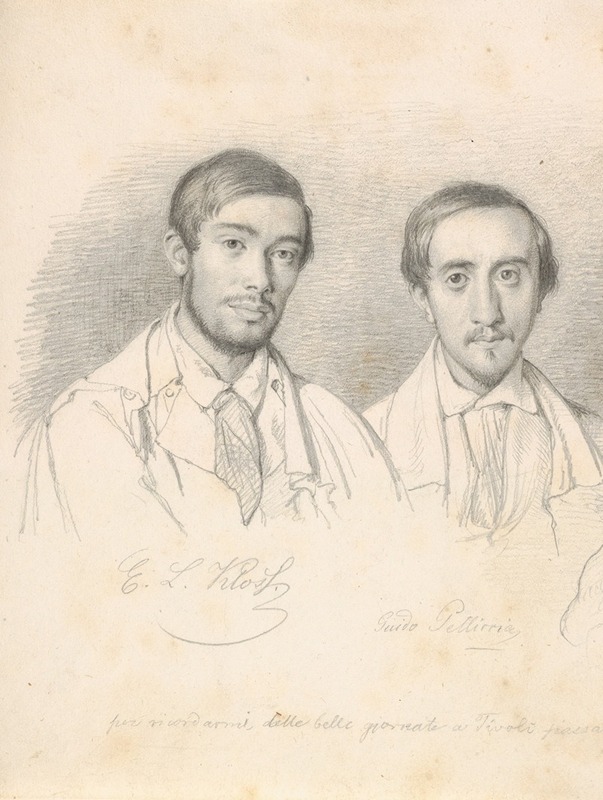
Double Portrait of the Artists E.F. Kloss and G. Pellicia
Wilhelm Marstrand
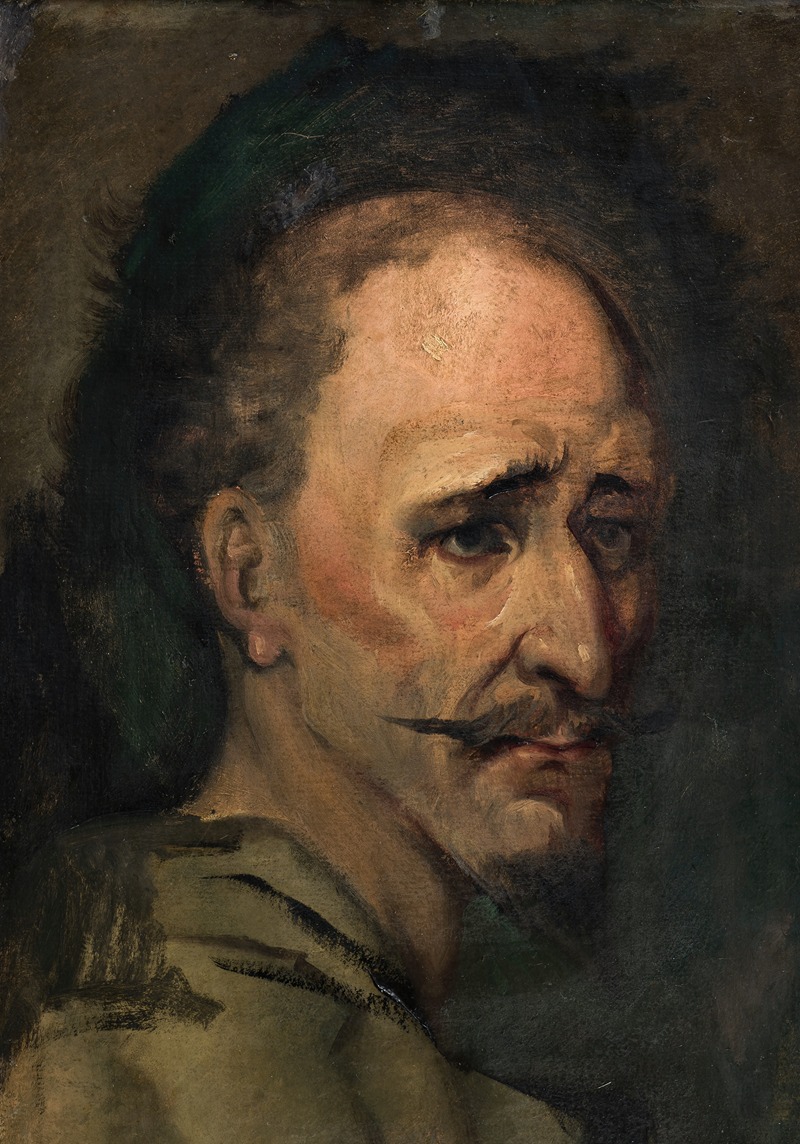
Don Quixote
Wilhelm Marstrand
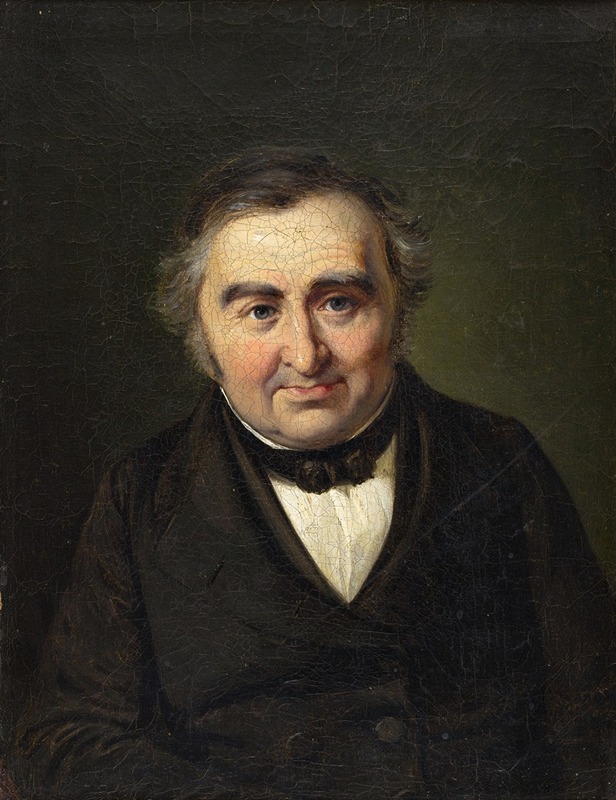
Etatsråd M.L. Nathanson
Wilhelm Marstrand
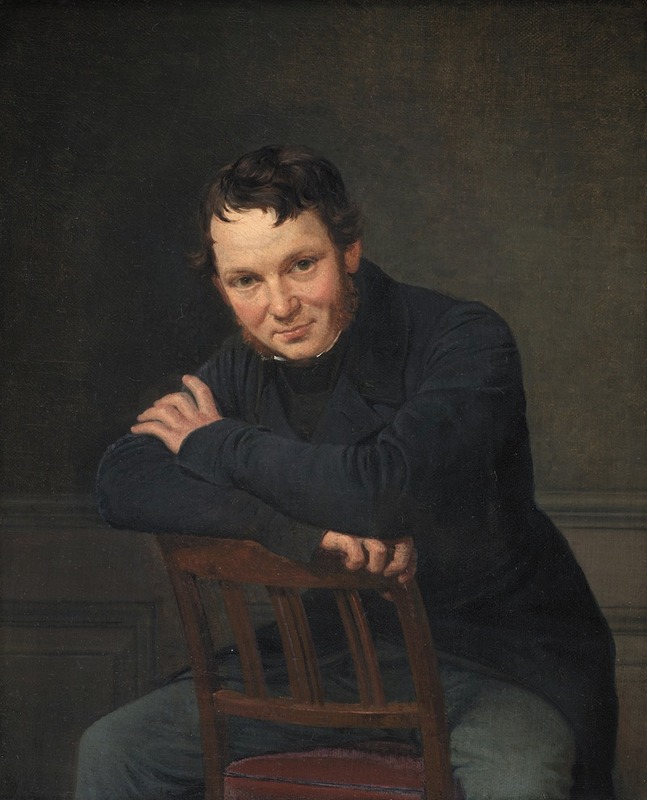
Gottlieb Bindesbøll, Danish Architect
Wilhelm Marstrand