
De nestuithaler — History & Facts
In an age where faith intertwines with expression, art serves as a vessel to navigate the layers of belief and the passage of time. Look closely at the central figure in De nestuithaler, an angelic presence rendered with exquisite detail, its robes flowing as if caught in an eternal breeze. Focus on the soft, golden light illuminating the delicate features of the face, which radiates serenity and divine assurance. Notice how the delicate brushwork creates a shimmering effect across the folds of fabric, suggesting a quiet reverence, while the muted, earthy tones surrounding the central figure draw viewers into a contemplative space. The juxtaposition between the figure’s ethereal quality and the heavy, dark background evokes a profound tension between the sacred and the mundane.
The angel seems to emerge from the shadows, a symbol of hope and faith, embodying the struggle between light and darkness. This visual conflict invites contemplation on the nature of belief, asking us to reflect on what lurks beneath the surface of our own faith. Jonas Umbach painted De nestuithaler during a transformative period in the 17th century, when the Baroque style was flourishing. Working primarily in the Netherlands, he sought to capture the spiritual essence of his subjects amidst a backdrop of religious strife and societal change.
This artwork emerged as he navigated his own faith and the broader tensions of the time, illustrating how art can serve as a dialogue between the personal and the universal.
More Artworks by Jonas Umbach
Browse all →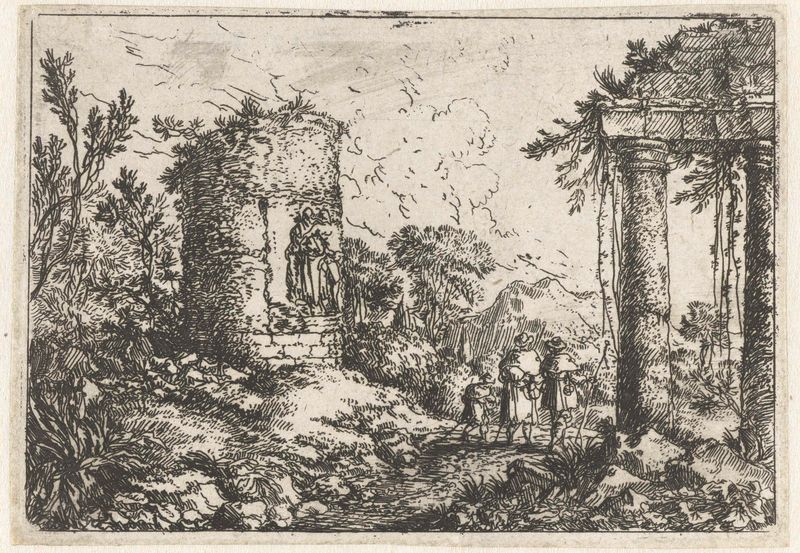
Landschap met ruïnes en drie pelgrims
Jonas Umbach

Johannes de Doper water drinkend
Jonas Umbach

Heilige Antonius van Padua en zijn visioen van het Christuskind
Jonas Umbach
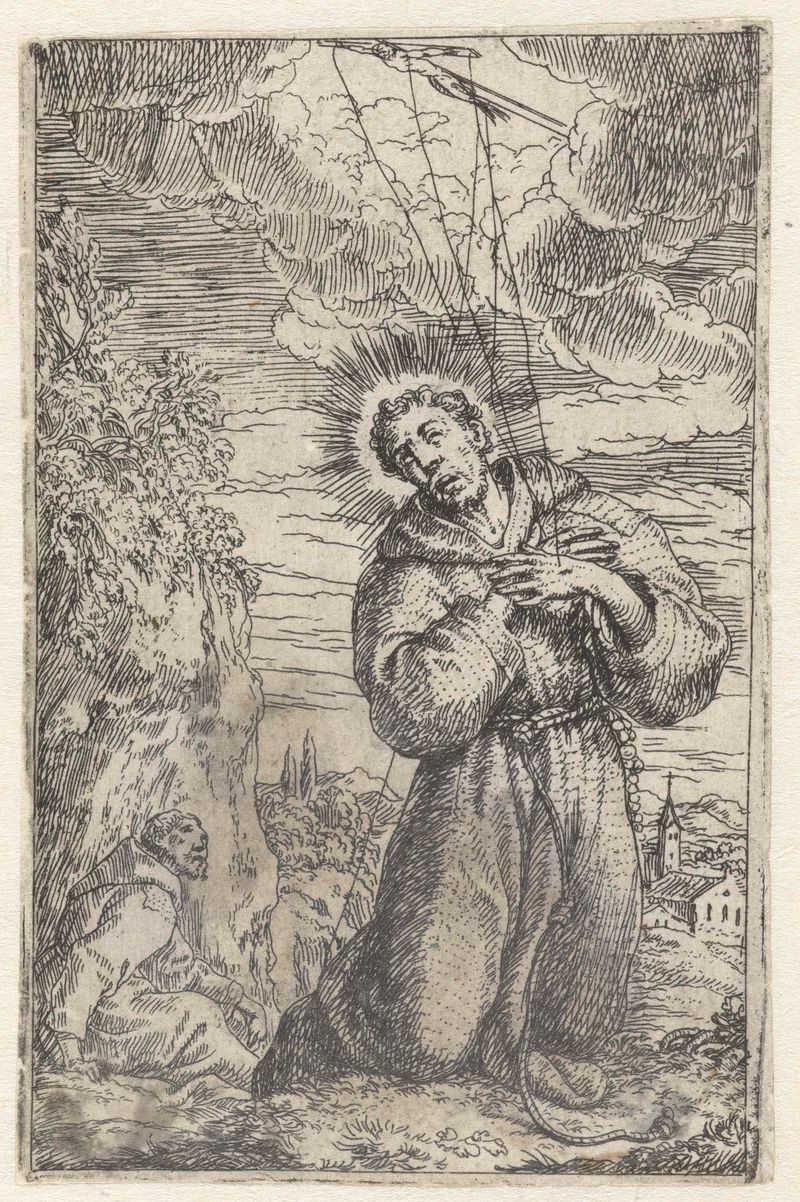
Stigmatisatie van heilige Franciscus
Jonas Umbach
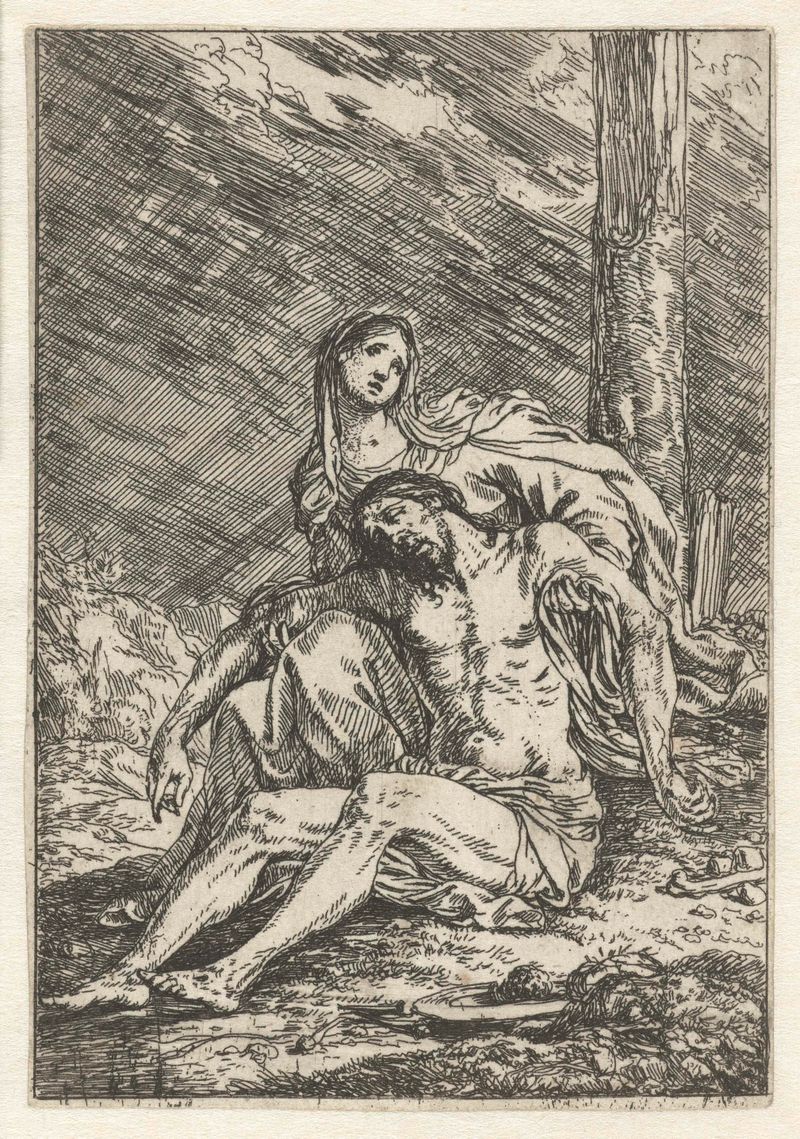
Maria met het lichaam van Christus (Pietà)
Jonas Umbach

Stigmatisatie van heilige Franciscus
Jonas Umbach
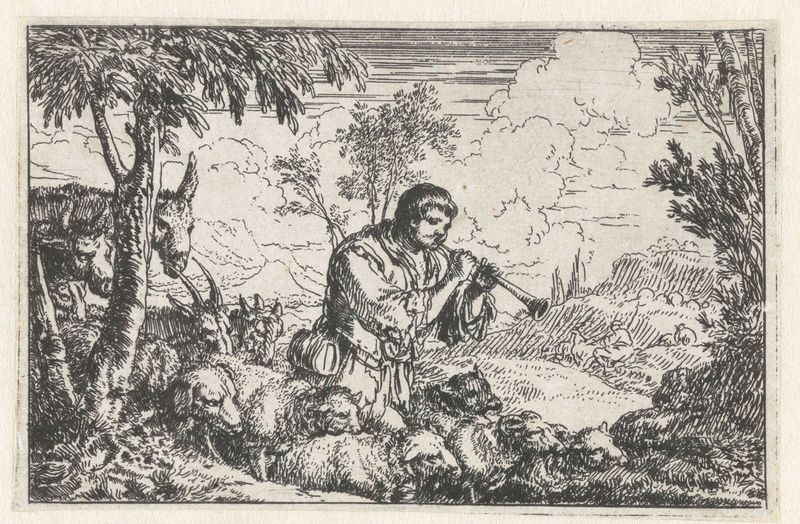
Schalmeispelende herder met kudde
Jonas Umbach
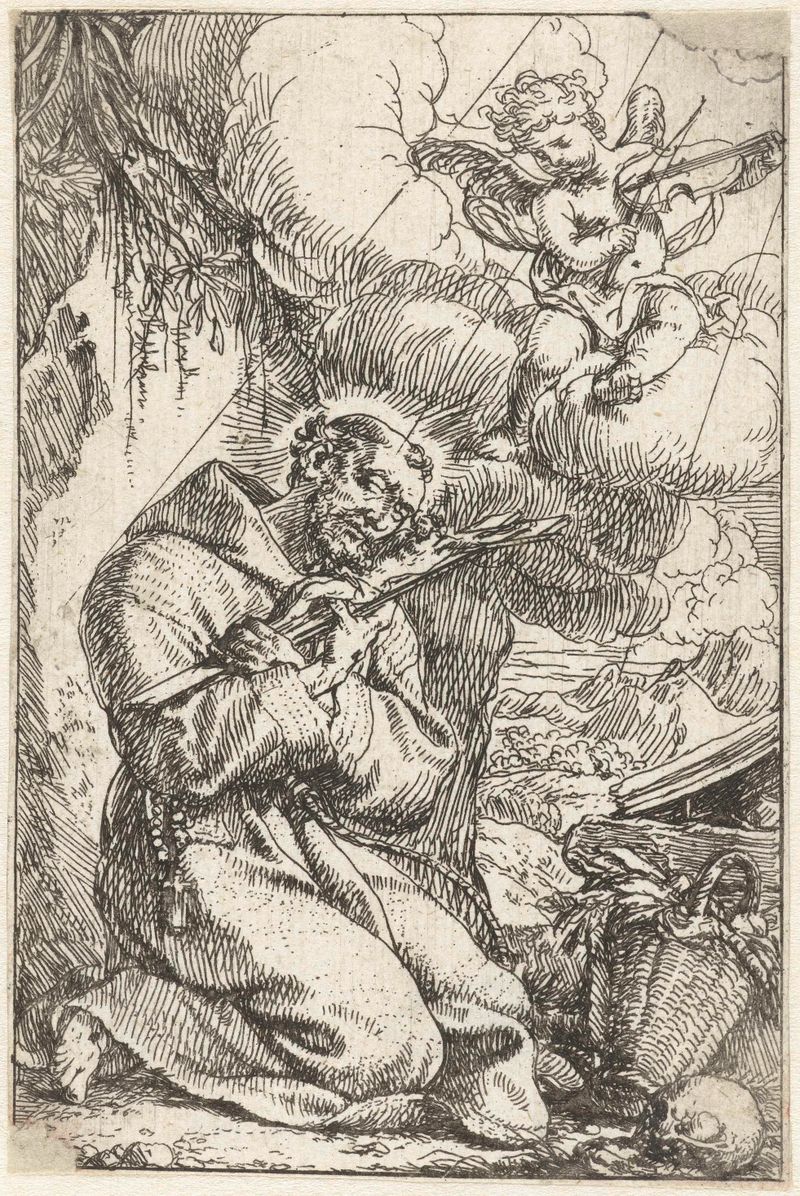
Heilige Franciscus het kruis kussend
Jonas Umbach
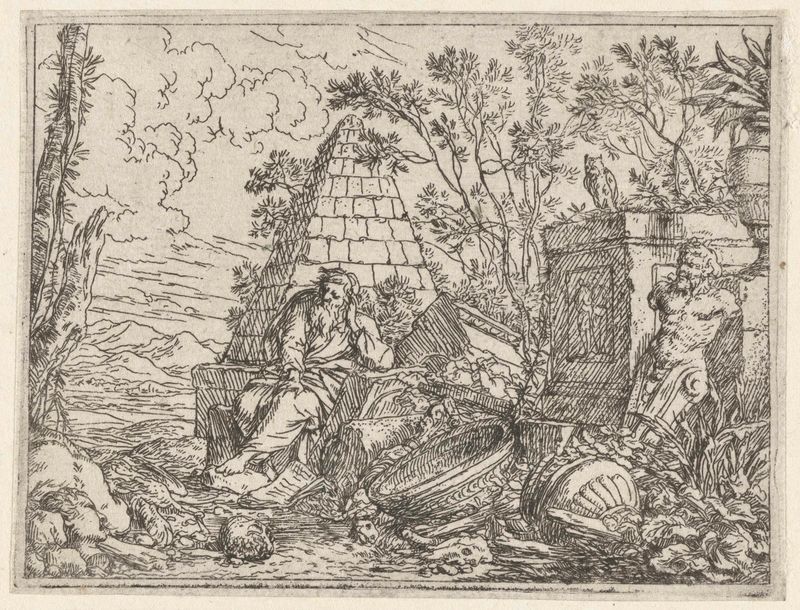
Democritus mediterend
Jonas Umbach

Twee rustende jagers met hun honden en buit
Jonas Umbach
More Religious Art
Browse all →
The Return of the Prodigal Son
Rembrandt van Rijn

The Garden of Earthly Delights
El Bosco

Count Orgaz’ funeral
El Greco

The Hundred Guilder Print: the central piece with Christ preaching, the plate arched
Rembrandt van Rijn

The Descent from the Cross
Rogier van der Weyden

The return of the prodigal son
Rembrandt van Rijn