
El Jaleo — History & Facts
A dancer in a white skirt and dark bodice, her back arched and one arm thrown out, whirls across a dim stage lit from below, so that the shadows of the performers spread across the gray wall behind. Along the back sits a row of guitarists in dark clothes, and at both ends of the line onlookers clap and call out, among them a woman in a red dress at the right. Two guitars hang on the wall at the upper left, and the floorboards in front are painted in loose, pale strokes. In the wake of his first trip to Spain, in 1879, John Singer Sargent had been mulling over a major picture that could express his love of Romani music, dance and costume.
Back in Paris he painted this wide, shallow canvas to evoke the stage of a popular music café. The performers are unnamed. The title names a dance and also means a ruckus or hubbub, and at the Paris Salon of 1882 it was shown as El Jaleo: Danse des gitanes. Isabella Stewart Gardner ultimately bought it and showed it prominently in her Boston museum, where it still hangs in the Spanish Cloister.
The museum calls it Sargent's most famous Spanish image. It is in the Isabella Stewart Gardner Museum in Boston.
Sources: Isabella Stewart Gardner Museum, record P7s1 · Wikidata Q5351449 · Wikipedia: El Jaleo
More Artworks by John Singer Sargent

Mademoiselle Suzanne Poirson
John Singer Sargent
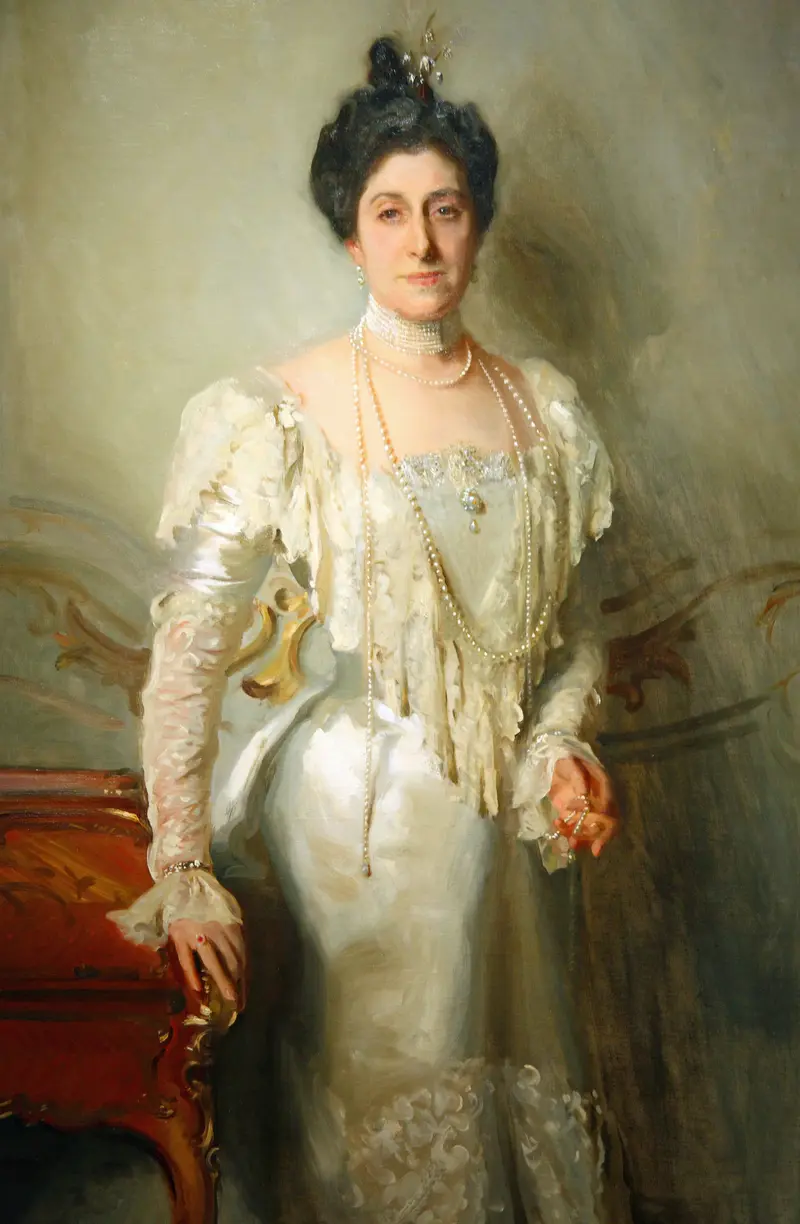
Portrait of Mrs. Asher B. Wertheimer
John Singer Sargent

Carnation, Lily, Lily, Rose
John Singer Sargent
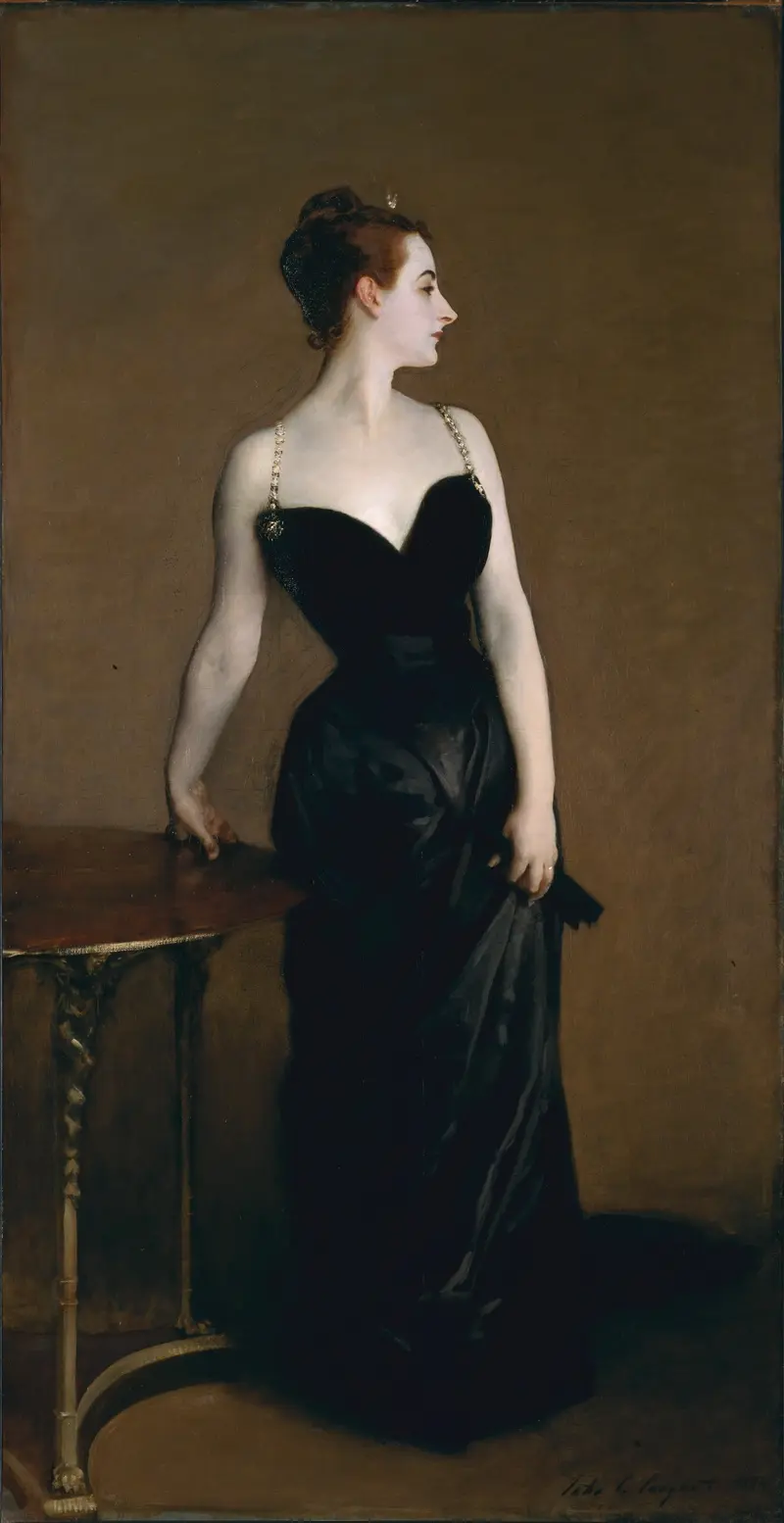
Madame X (Madame Pierre Gautreau)
John Singer Sargent
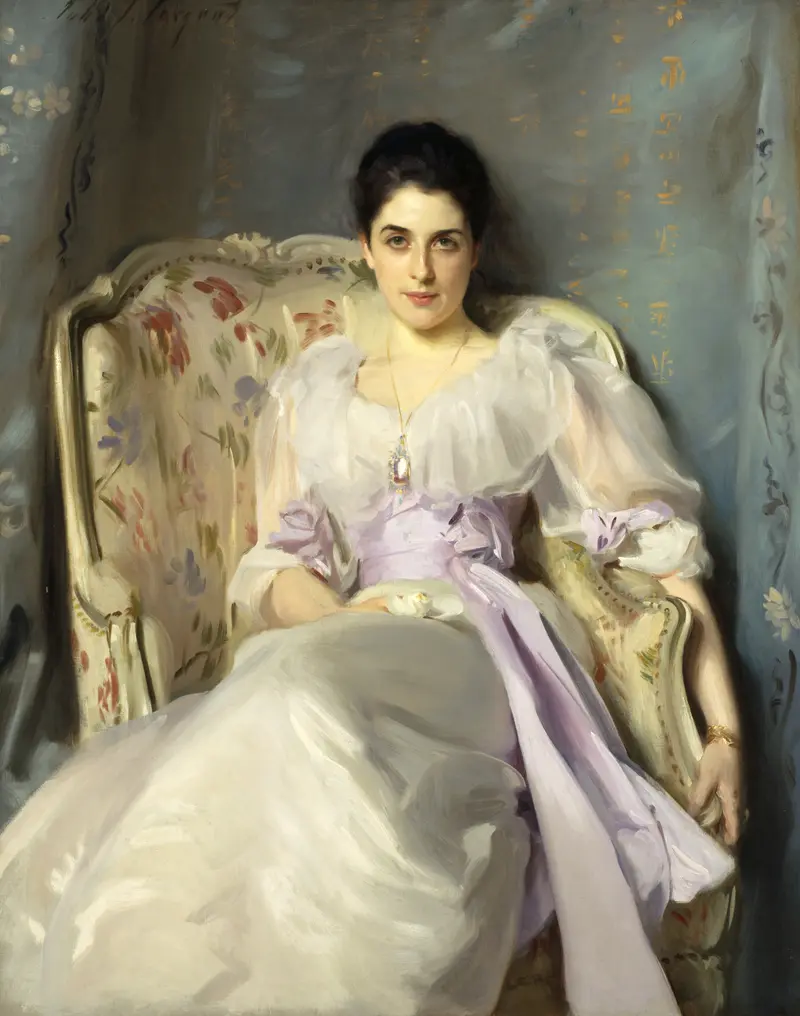
Lady Agnew of Lochnaw
John Singer Sargent
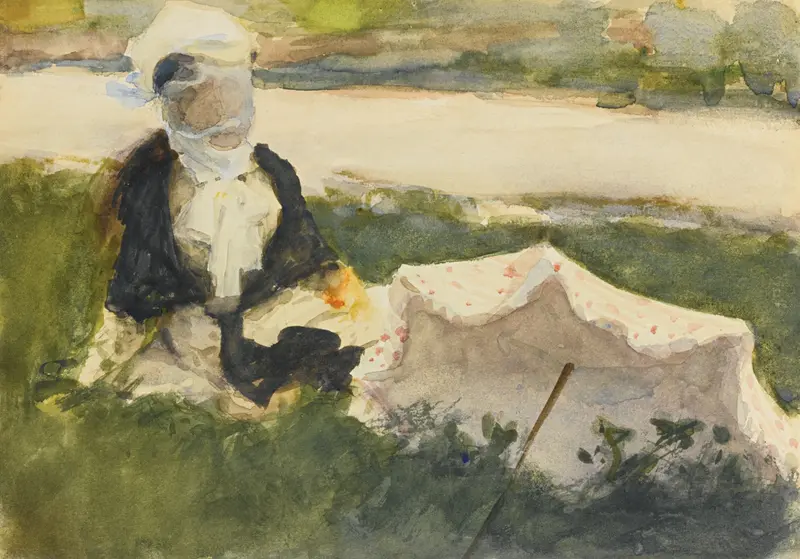
Woman With Parasol
John Singer Sargent
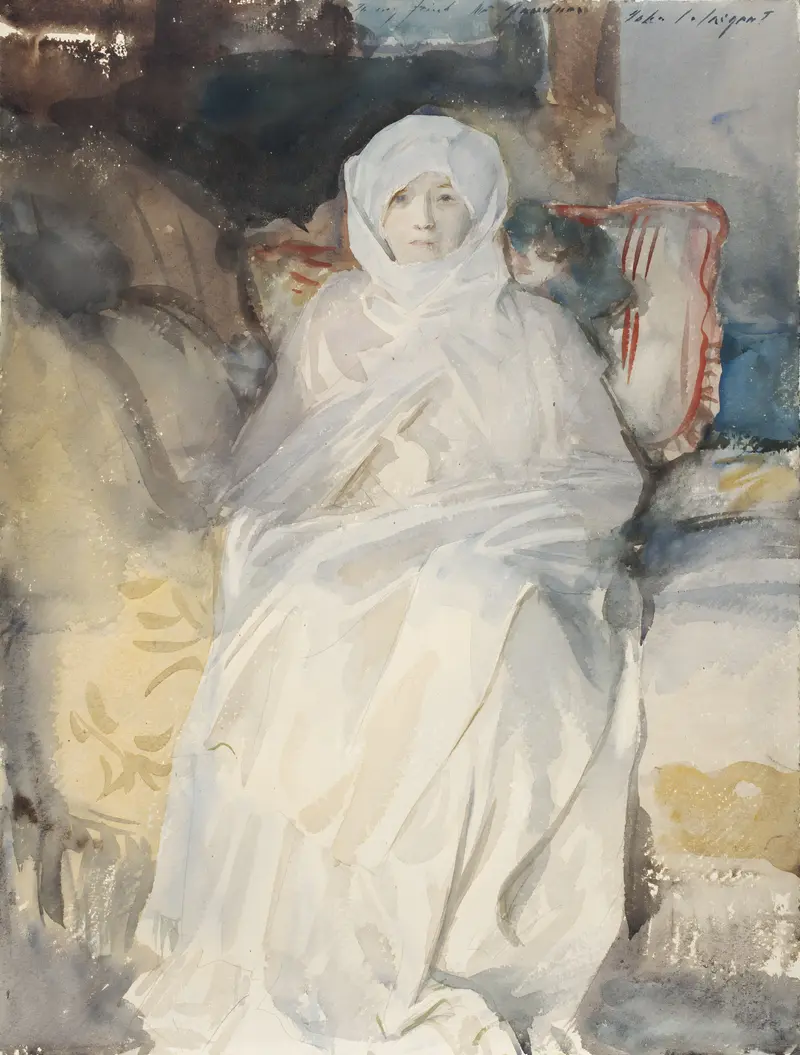
Mrs. Gardner in White
John Singer Sargent
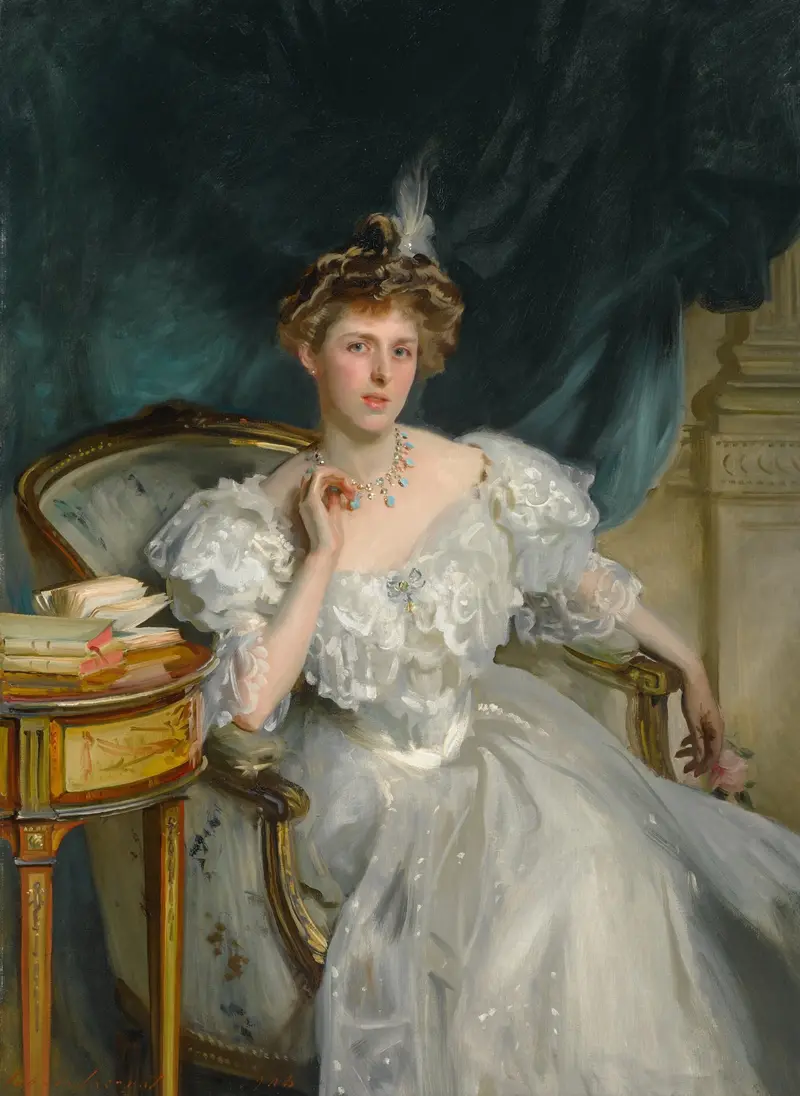
Mrs. William George Raphael
John Singer Sargent

Henry G. Marquand
John Singer Sargent
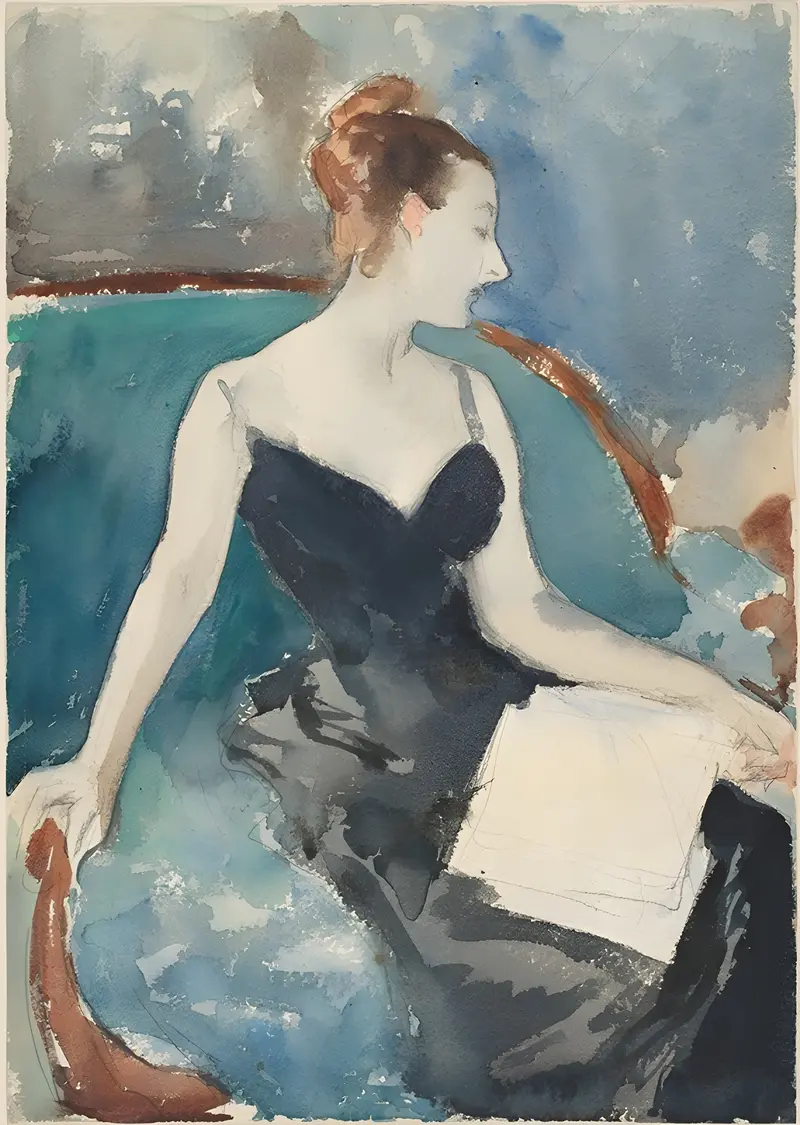
Madame Gautreau (Madame X)
John Singer Sargent
More Genre Scene Art

Banquet of the Officers of the St George Civic Guard
Frans Hals

Rembrandt and Saskia in the Scene of the Prodigal Son
Rembrandt van Rijn

Bal du moulin de la Galette
Pierre-Auguste Renoir

Quadrille at the Moulin Rouge
Henri de Toulouse-Lautrec

A Burial at Ornans
Gustave Courbet

When Will You Marry?
Paul Gauguin