
Elia wordt in de woestijn door raven gevoed — History & Facts
Can beauty exist without sorrow? The stark contrasts in this piece invite contemplation on the companionship of loneliness and solace. Look to the left at the figure of Elia, draped in muted earth tones, his face etched with a mixture of awe and despair. Notice how the ravens swoop gracefully above, their dark plumage a striking contrast against the luminous, barren landscape. The artist employs chiaroscuro, expertly manipulating light and shadow to evoke a sense of isolation while simultaneously highlighting the divine intervention of these birds.
The palette is subdued yet warm, creating a tension between the desolation of the environment and the miraculous sustenance being offered. Beneath the surface, themes of faith and survival pulse through the canvas. The act of being fed by ravens—creatures often associated with death and omens—raises questions about hope amid hardship. The solitary figure’s gaze seems to pierce through the emptiness surrounding him, embodying the emotional weight of being both nourished and abandoned.
This duality reveals a profound truth: even in the depths of loneliness, there can exist moments of unexpected grace. Jonas Umbach created this evocative work between 1634 and 1693, a time when the Baroque style flourished across Europe. Living in the Holy Roman Empire, he was influenced by the dramatic interpretations of biblical narratives that characterized this artistic movement. The choice to depict such a poignant moment in Elia’s life reflects not only the artist’s personal exploration of faith but also the broader spiritual inquiries of his era, where the sacred and the ordinary intersected in profound ways.
More Artworks by Jonas Umbach
Browse all →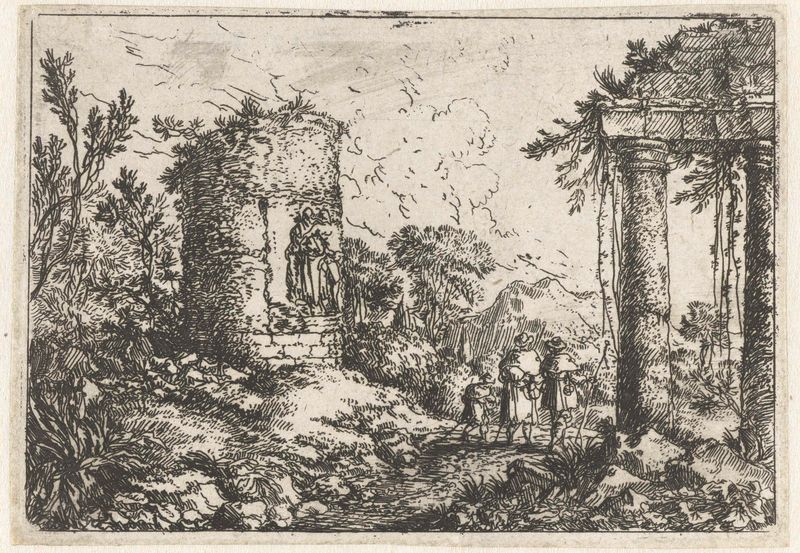
Landschap met ruïnes en drie pelgrims
Jonas Umbach

Johannes de Doper water drinkend
Jonas Umbach

Heilige Antonius van Padua en zijn visioen van het Christuskind
Jonas Umbach
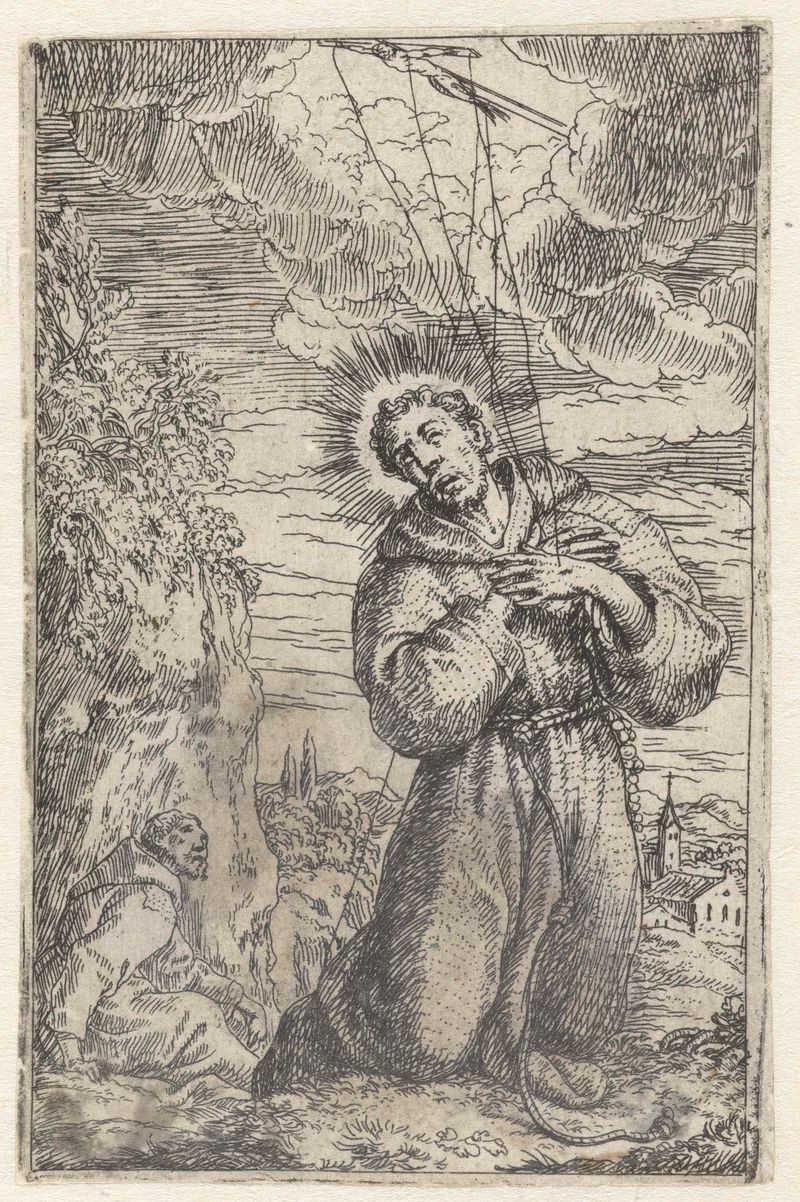
Stigmatisatie van heilige Franciscus
Jonas Umbach
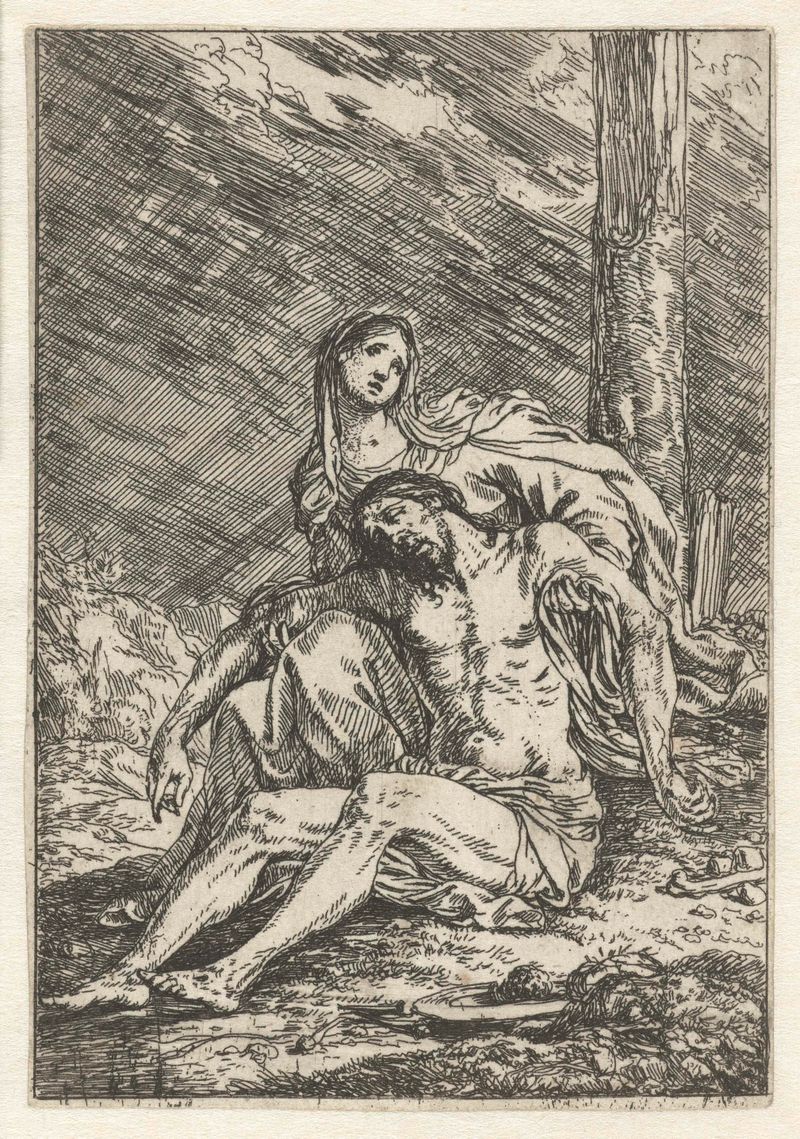
Maria met het lichaam van Christus (Pietà)
Jonas Umbach

Stigmatisatie van heilige Franciscus
Jonas Umbach
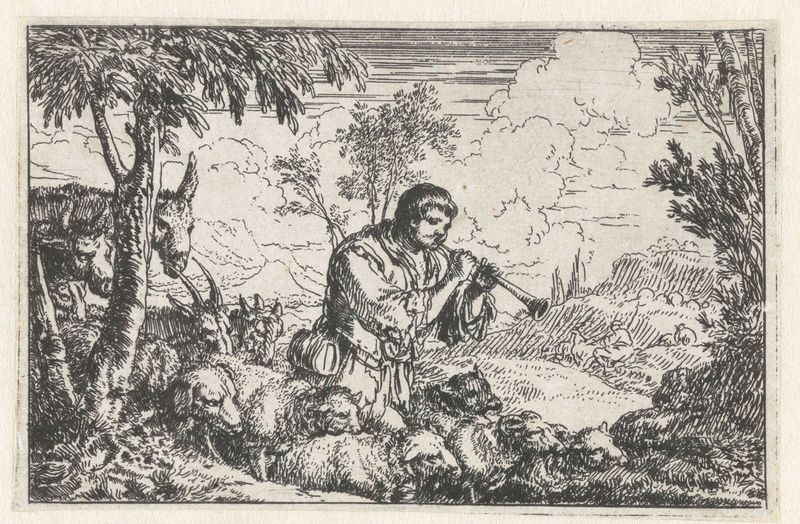
Schalmeispelende herder met kudde
Jonas Umbach
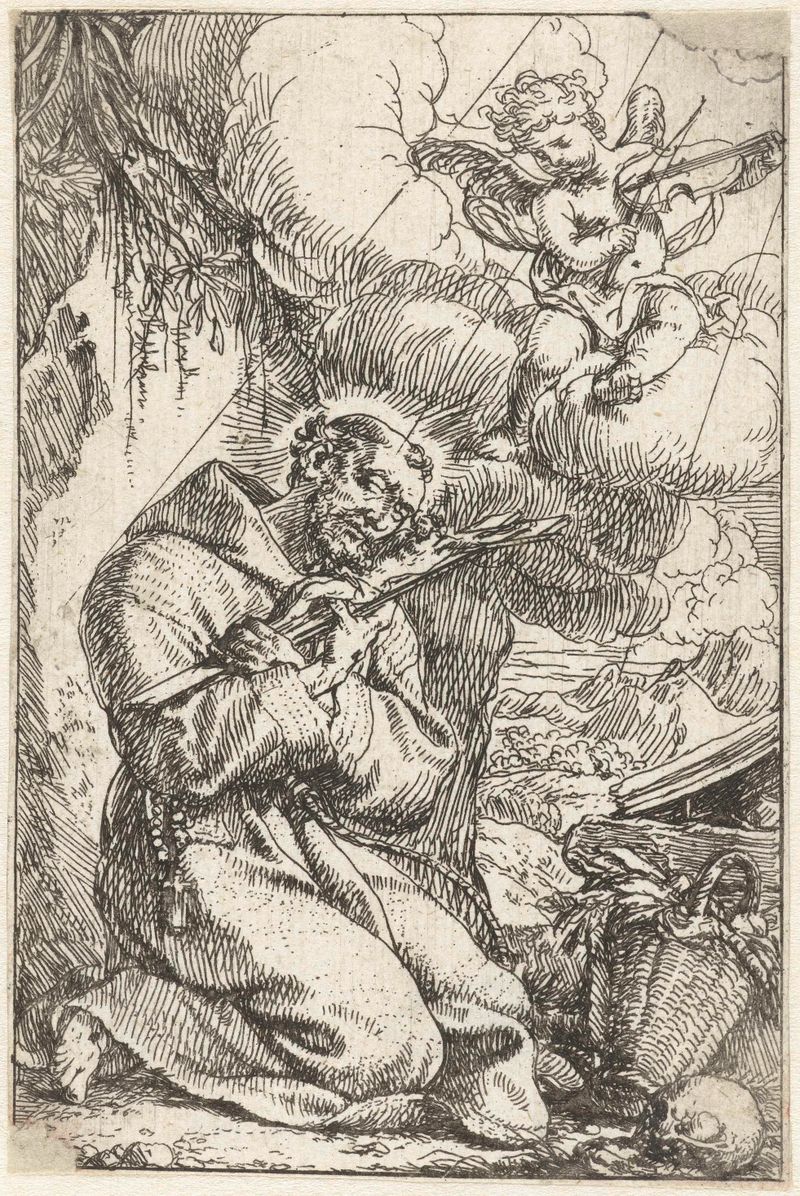
Heilige Franciscus het kruis kussend
Jonas Umbach
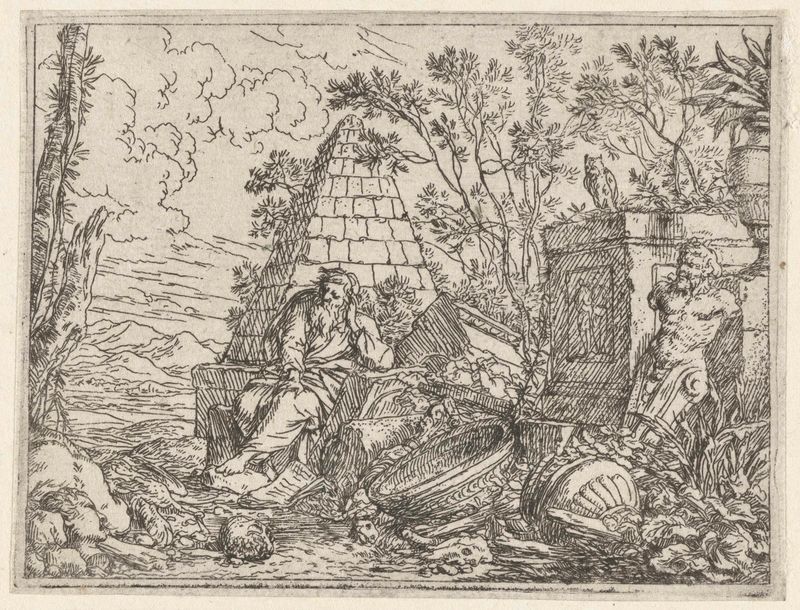
Democritus mediterend
Jonas Umbach

Twee rustende jagers met hun honden en buit
Jonas Umbach
More Religious Art
Browse all →
The Return of the Prodigal Son
Rembrandt van Rijn

The Garden of Earthly Delights
El Bosco

Count Orgaz’ funeral
El Greco

The Hundred Guilder Print: the central piece with Christ preaching, the plate arched
Rembrandt van Rijn

The Descent from the Cross
Rogier van der Weyden

The return of the prodigal son
Rembrandt van Rijn