
Ellen Hayden Lincoln (1838-1897) — History & Facts
What if beauty was never meant to be finished? The ephemeral quality of life and art converge in a delicate balance, as the viewer is invited to ponder the fragility of existence itself. Focus on the figure of Ellen Hayden Lincoln, poised gracefully at the center of the canvas. Her features are illuminated by soft, natural light, casting gentle shadows that enhance her serene expression. Notice the exquisite detail in her gown, the subtle play of hues, and the fluidity of fabric that seems to breathe with her.
The background is painted in muted tones, allowing her presence to emerge as both a subject and an emblem of timeless beauty. Yet, the painting speaks of more than mere aesthetics. The slight tilt of her head suggests a moment of introspection, the uncertainty of a story left untold. Surrounding her, the gentle colors evoke a sense of nostalgia and yearning, hinting at the transient nature of youth and the inevitability of change.
Here lies a tension between permanence and fragility, as the viewer grapples with the impermanence of both the subject and the moment captured. In 1897, Laura Coombs Hills was establishing her reputation as a notable portraitist in Boston, a period when women artists were beginning to gain recognition in a male-dominated field. The world was witnessing significant social changes, including the suffrage movement and shifting views on women’s roles. Hills’ work during this time reflects not only her artistic skill but also the evolving narrative of femininity and identity, encapsulated beautifully in this portrait.
More Portrait Art
Browse all →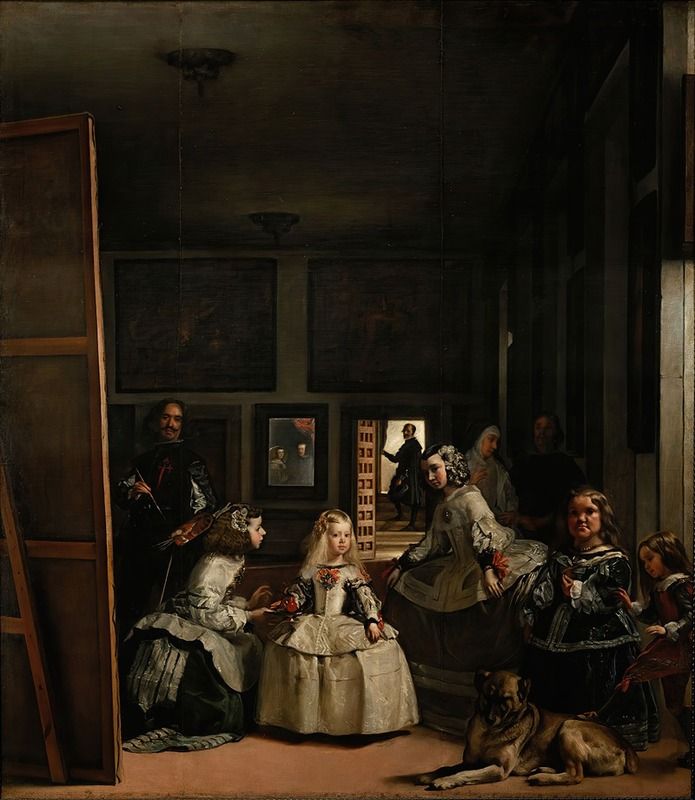
Las meninas
Diego Velázquez
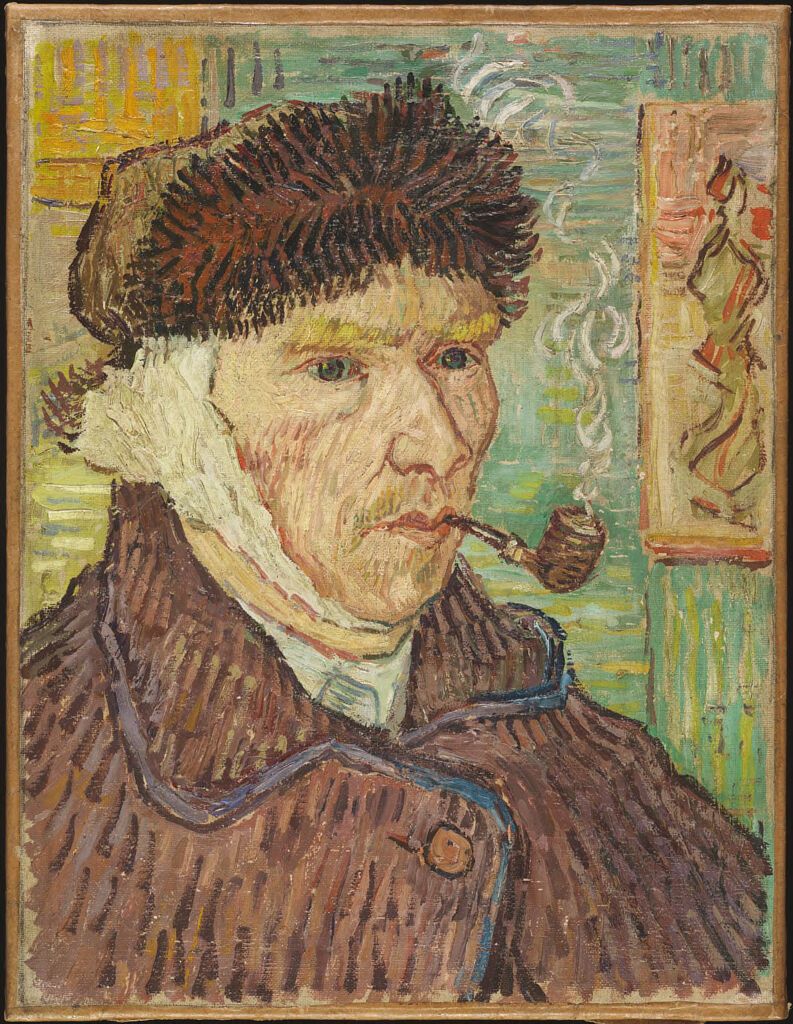
Self-portrait with a Bandaged Ear and Pipe
Unidentified artist
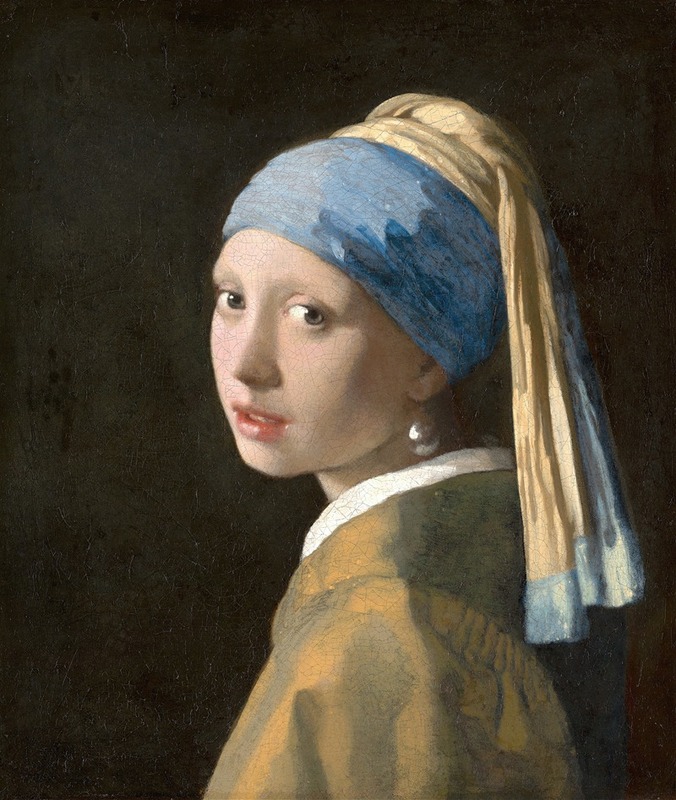
Girl with a Pearl Earring
Johannes Vermeer

The Sampling Officials of the Amsterdam Drapers’ Guild, Known as ‘The Syndics’
Rembrandt van Rijn

The Hundred Guilder Print: the man seen on the back in the lower left corner
Rembrandt van Rijn

Portrait of Dr Gachet
Vincent van Gogh