
Discover insights about this artwork
Erik Edelfelt Lapsena — History & Facts
In Erik Edelfelt Lapsena, we see a young boy with a gentle expression, dressed in a simple yet elegant outfit. The color palette is soft, featuring warm tones that create a sense of intimacy. The background is blurred, focusing our attention on the boy's face and his thoughtful gaze.
The light falls delicately on his features, enhancing the realism of the portrait. The painting is executed in oil on canvas, a medium that allows for rich color and texture. The brushwork is meticulous, capturing the fine details of the boy's clothing and hair. The dimensions of the artwork are approximately 50 x 70 cm, making it a modestly sized portrait.
This size invites viewers to engage closely with the subject. Albert Edelfelt, a prominent Finnish artist, painted Erik Edelfelt Lapsena during the late 19th century. This work reflects the Realism movement, emphasizing accurate representation and emotional depth. Interestingly, the boy depicted is Edelfelt's own son, Erik, which adds a personal touch to the artwork.
Edelfelt's ability to capture the innocence of childhood is a hallmark of his style.
More Artworks by Albert Edelfelt
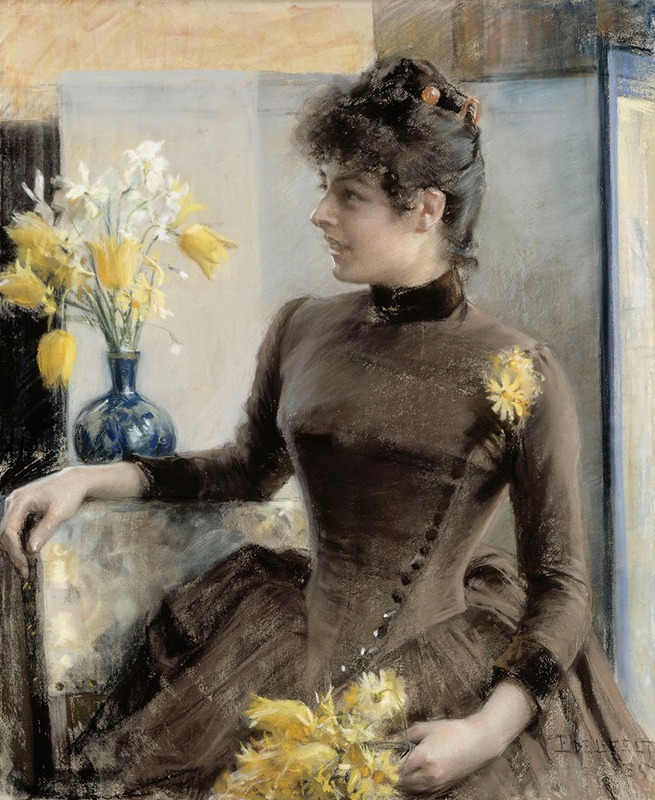
Parisienne
Albert Edelfelt
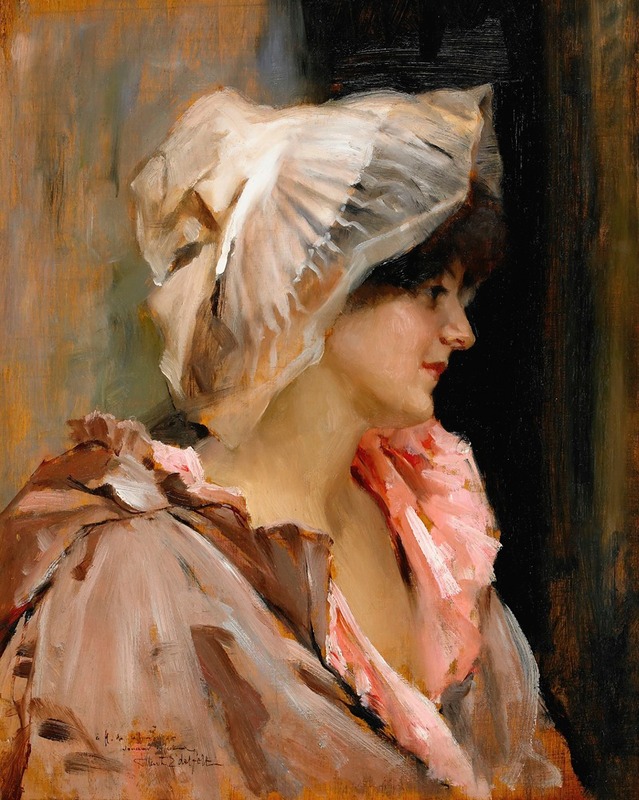
Parisian lady in a Peignoir
Albert Edelfelt
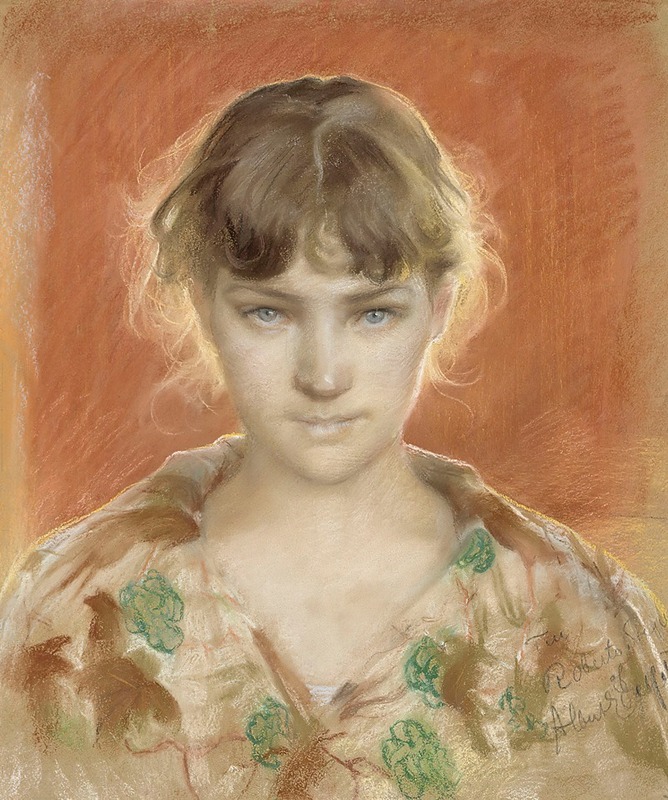
Parisian Model in a Dressing Gown
Albert Edelfelt

Solveig II
Albert Edelfelt
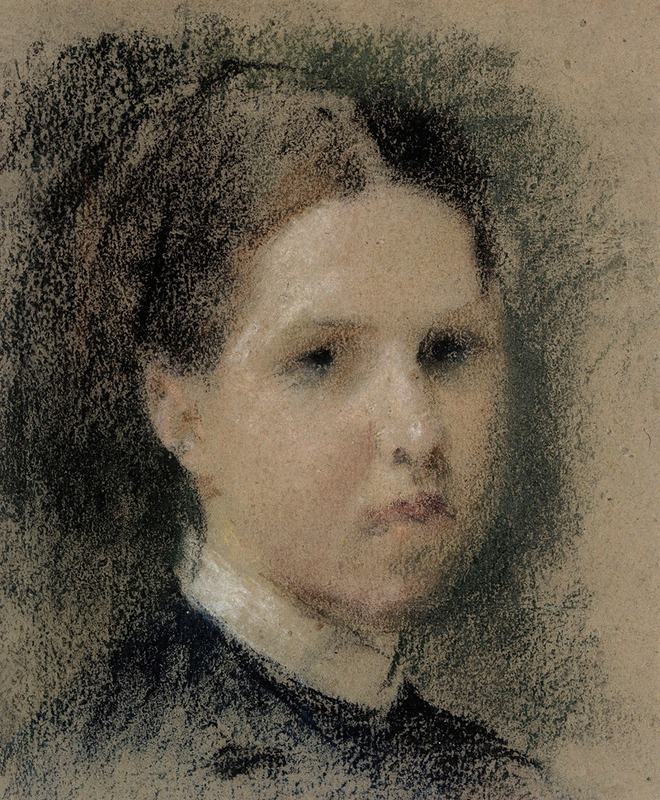
Portrait of Annie Edelfelt
Albert Edelfelt

Portrait of August Streng
Albert Edelfelt
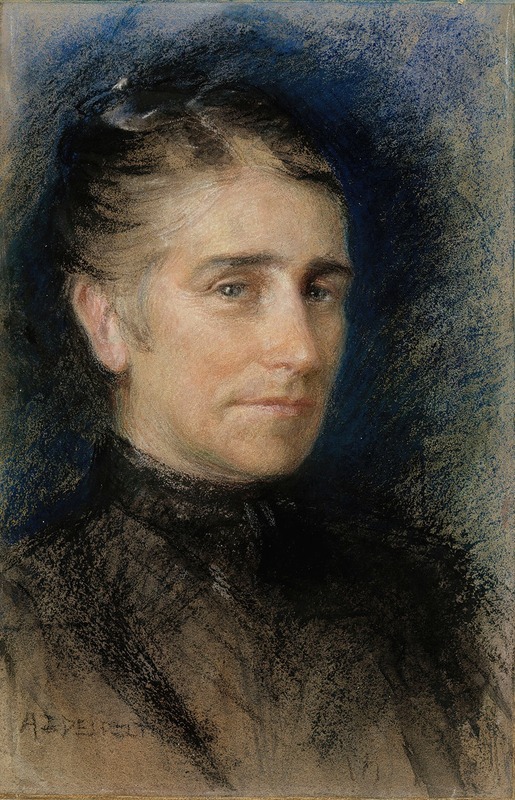
Portrait of Mrs. Emilie Krohn
Albert Edelfelt
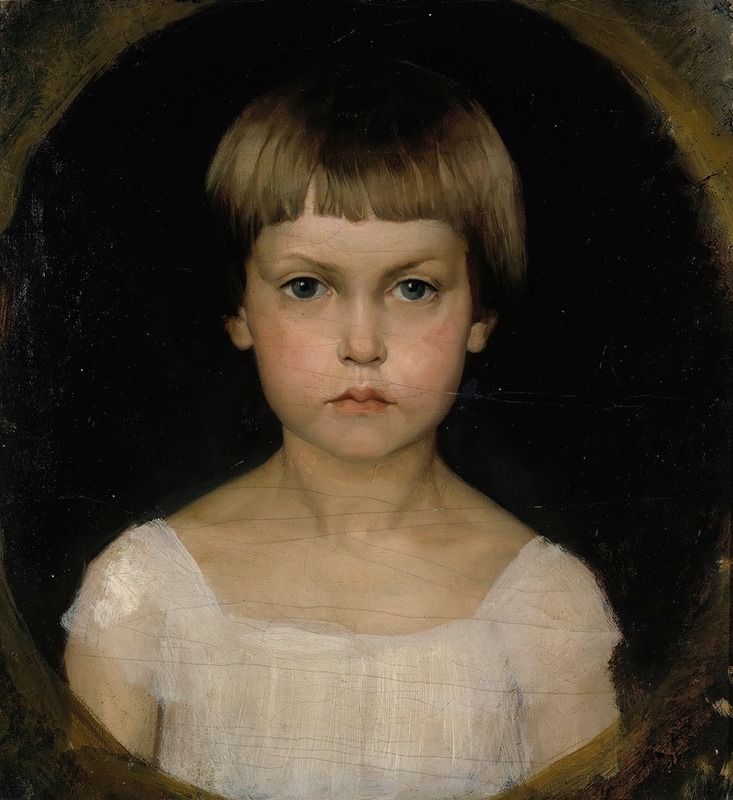
Portrait Of The Artist´s Sister Berta Edelfelt
Albert Edelfelt
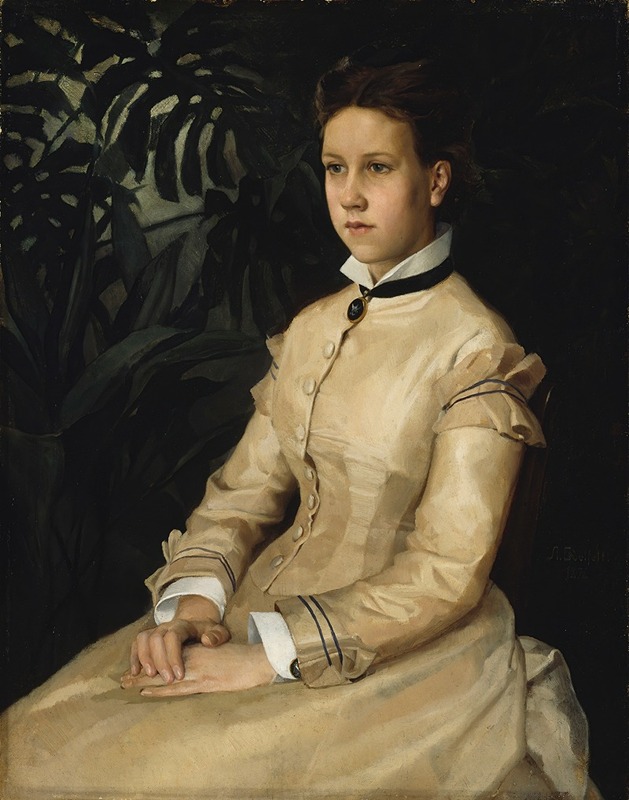
Portrait Of The Artist’s Sister Ellen Edelfelt
Albert Edelfelt
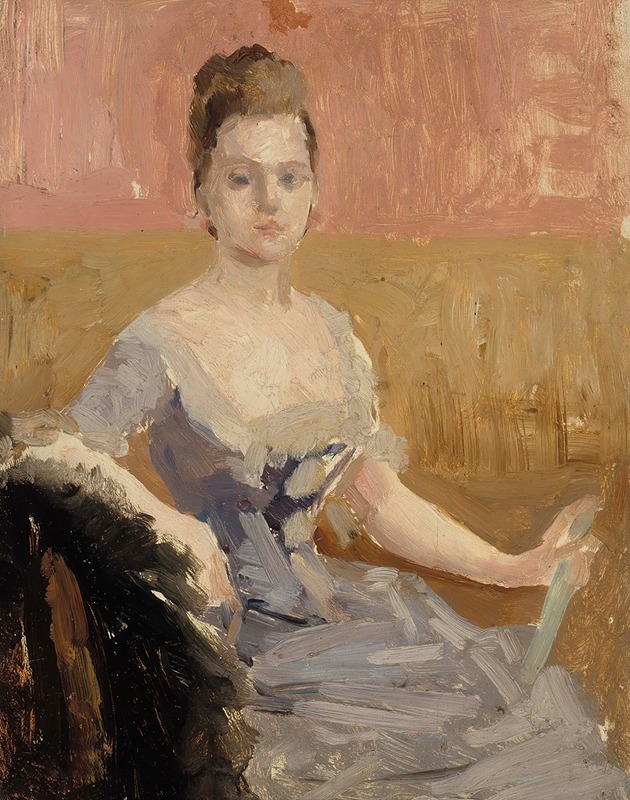
Portrait Study Of Countess Augusta Lewenhaupt
Albert Edelfelt
More Portrait Art
Las meninas
Diego Velázquez
Self-portrait with a Bandaged Ear and Pipe
Unidentified artist
Girl with a Pearl Earring
Johannes Vermeer
Young Woman with a Pearl Necklace
Johannes Vermeer
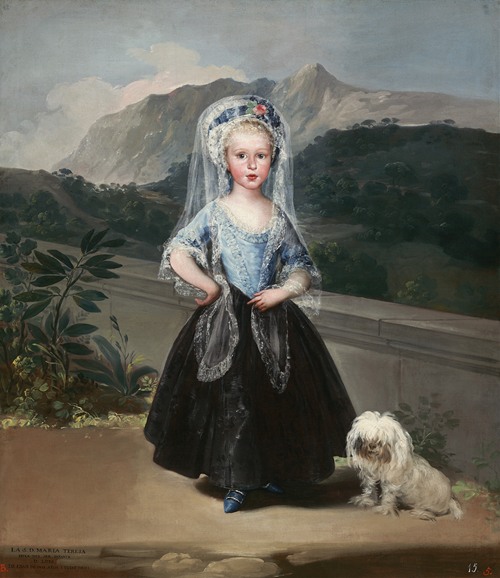
María Teresa de Borbón y Vallabriga,later Condesa de Chinchón
Francisco de Goya
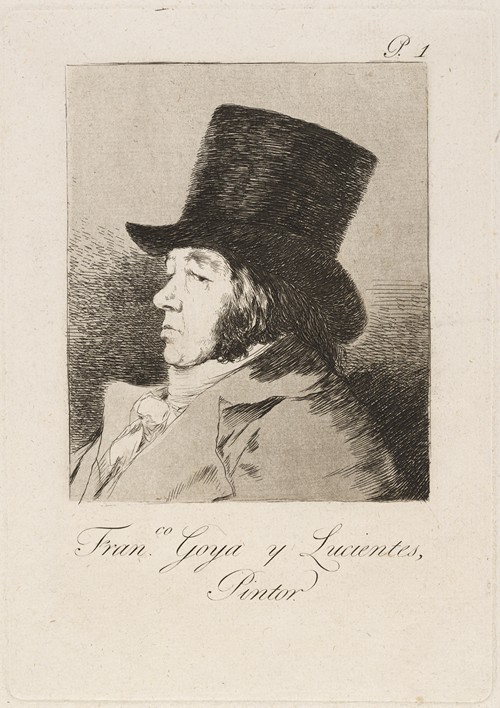
Francisco Goya y Lucientes, Pintor (Francisco Goya y Lucientes, painter)
Francisco de Goya