Discover insights about this artwork
Études de têtes cubistes — History & Facts
In Études de têtes cubistes, Julio González explores the human form through fragmented shapes and bold colors. The composition features a series of abstracted heads, each rendered with geometric precision. The use of earthy tones contrasts with vibrant highlights, creating a dynamic visual experience.
The overall effect is both intriguing and challenging, inviting viewers to reconsider their perception of the human figure. The drawing is executed in ink on paper, showcasing González's skill in line work and form. The cubist style is evident in the angular shapes and overlapping planes that define the heads. Viewers can appreciate the meticulous detail in the facial features, which are deconstructed and reassembled in a unique way.
This technique emphasizes the complexity of human expression and form. Julio González was a prominent figure in the development of modern sculpture and drawing, closely associated with the Cubist movement. This work, created in the 1930s, reflects his innovative approach to form and abstraction. An interesting fact about this piece is that it serves as a study for his later sculptural works, illustrating his process of exploration and experimentation.
González's influence can be seen in the way he challenged traditional representations of the human figure.
More Artworks by Julio González
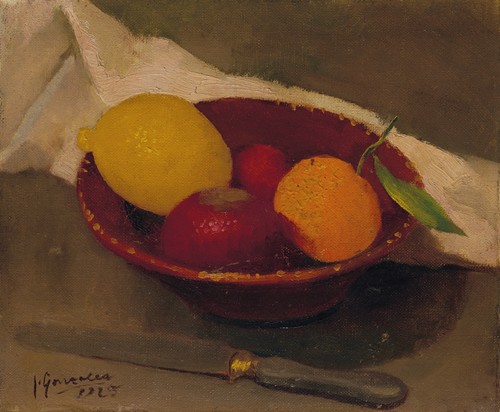
Nature morte (Bodegón)
Julio González

Visage de paysanne
Julio González
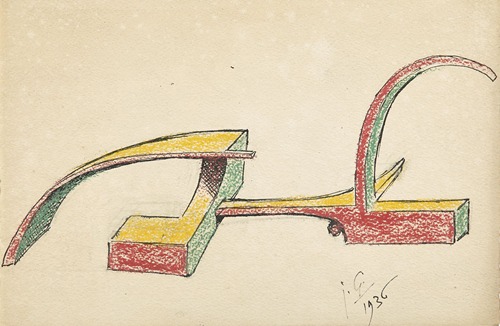
Personnage allongé
Julio González
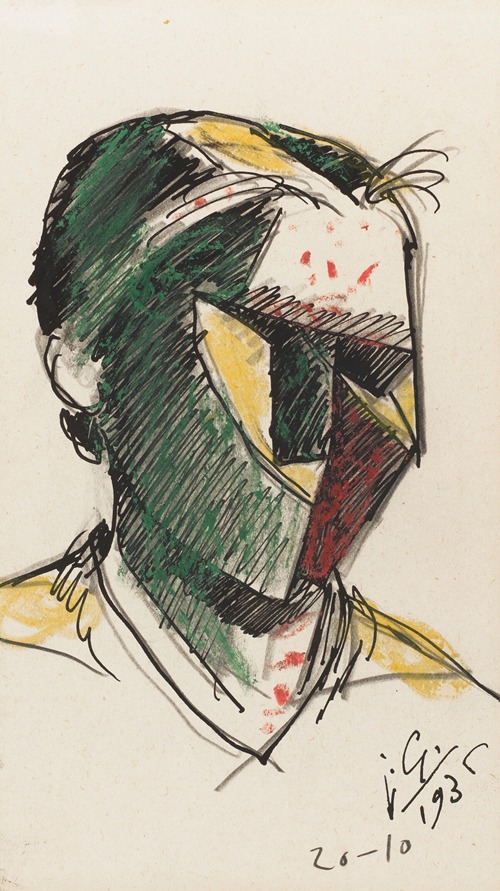
Petite tête cubiste
Julio González
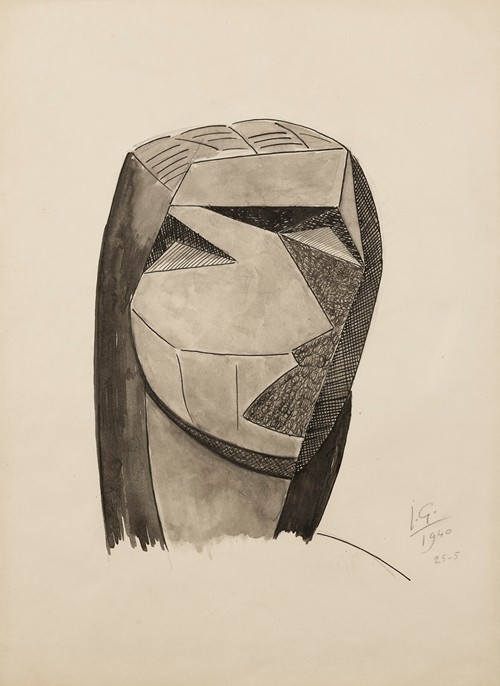
Tête cubiste
Julio González
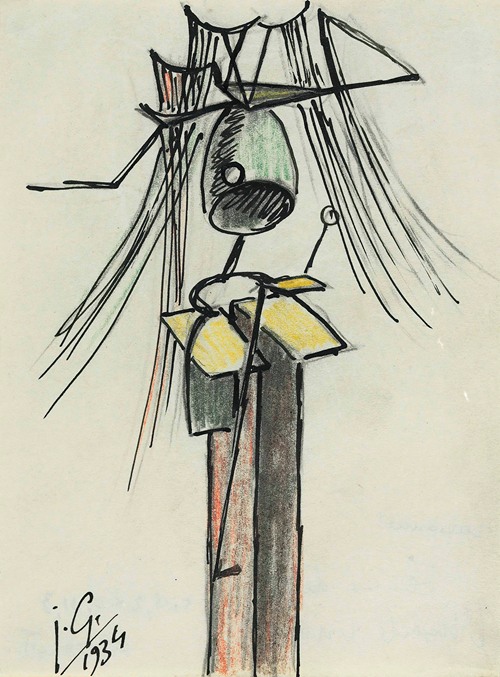
Femme dite ‘L’insecte crissant’
Julio González
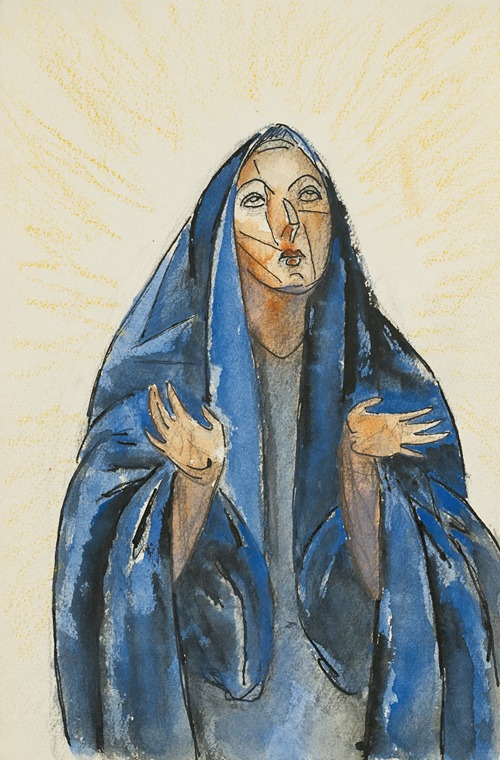
Femme priant
Julio González
Noir et violet
Julio González
Tête De Femme
Julio González
Personnage puissant
Julio González