Discover insights about this artwork
Petite tête cubiste — History & Facts
In Petite tête cubiste, vibrant colors dominate the canvas, creating a striking visual impact. The painting features fragmented forms that suggest a human face, typical of the Cubist style. The use of geometric shapes and bold lines gives the piece a dynamic quality.
Overall, the composition feels both abstract and representational, inviting viewers to explore its complexities. The painting is characterized by its use of oil on canvas, a medium that allows for rich color application and texture. The dimensions are approximately 60 x 80 cm, making it a medium-sized work that can easily engage viewers. The Cubist style is evident in the way forms are deconstructed and reassembled, challenging traditional perspectives.
This technique encourages a multifaceted interpretation of the subject matter. Julio González was a prominent figure in the development of modern art, particularly in the Cubist movement. Petite tête cubiste reflects his innovative approach to form and space, showcasing his ability to blend abstraction with figuration. An interesting fact about this work is that it exemplifies González's transition from painting to sculpture, as he later became known for his metal sculptures.
This painting serves as a vital link in understanding his artistic evolution.
More Artworks by Julio González
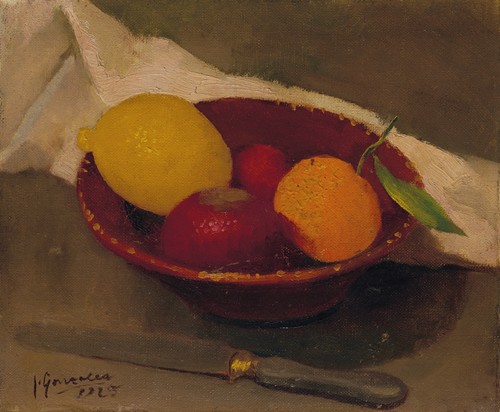
Nature morte (Bodegón)
Julio González

Visage de paysanne
Julio González
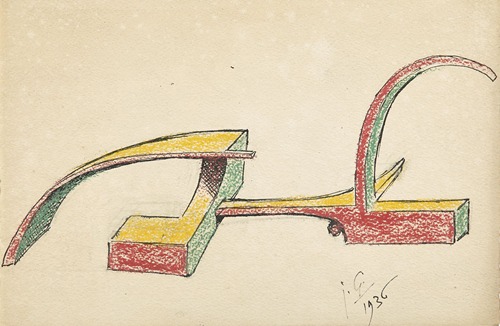
Personnage allongé
Julio González
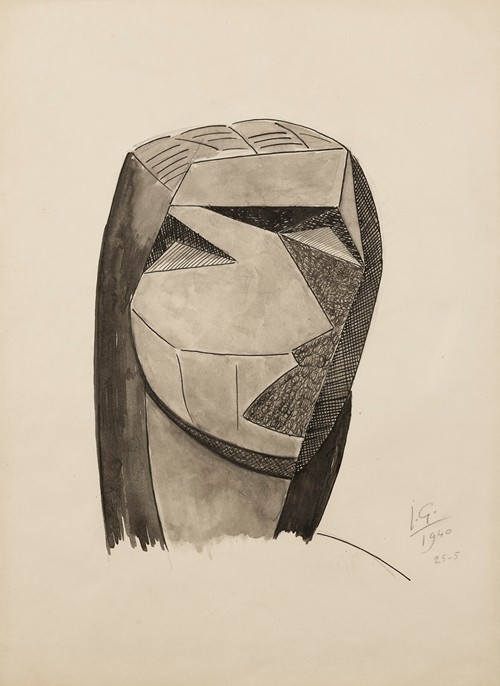
Tête cubiste
Julio González
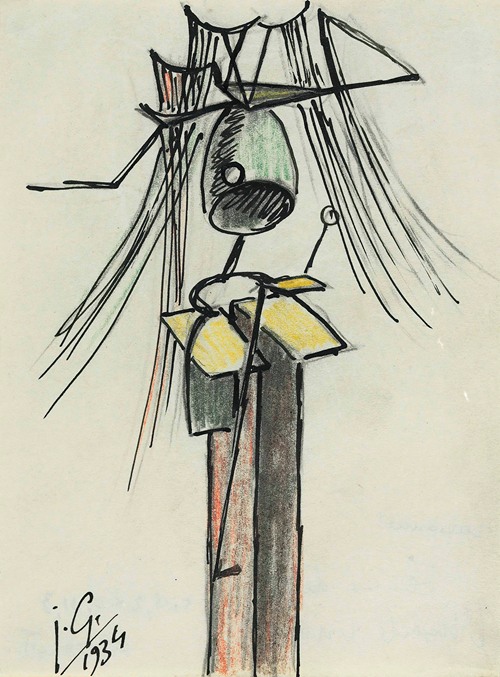
Femme dite ‘L’insecte crissant’
Julio González
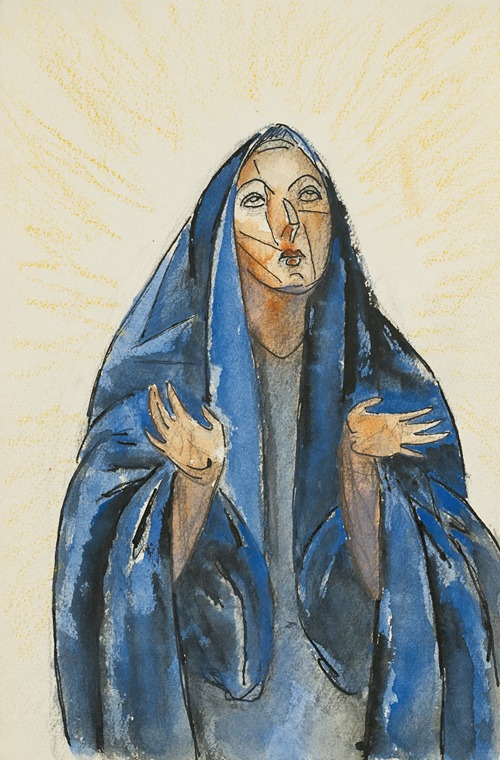
Femme priant
Julio González
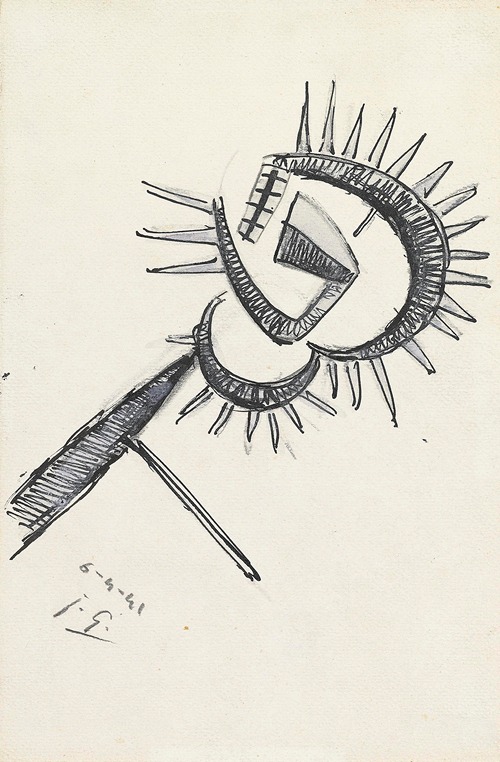
Noir et violet
Julio González
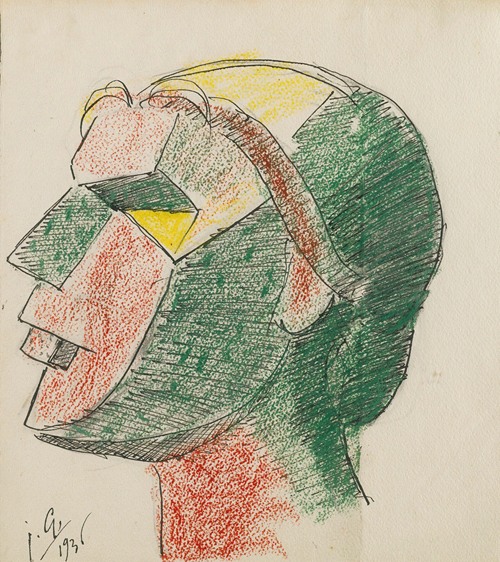
Tête De Femme
Julio González
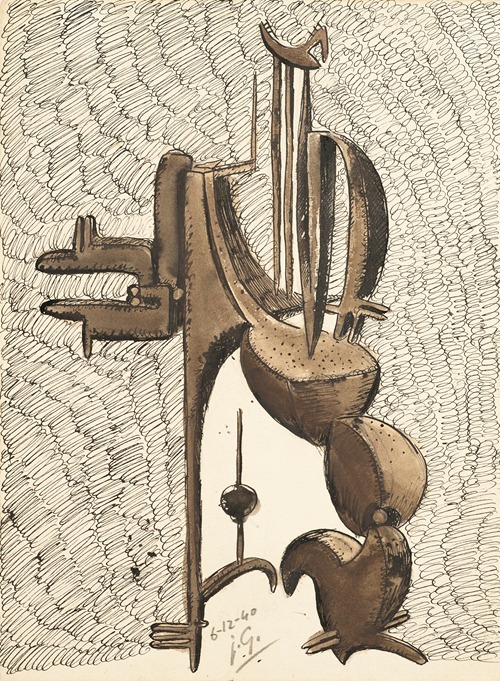
Personnage puissant
Julio González
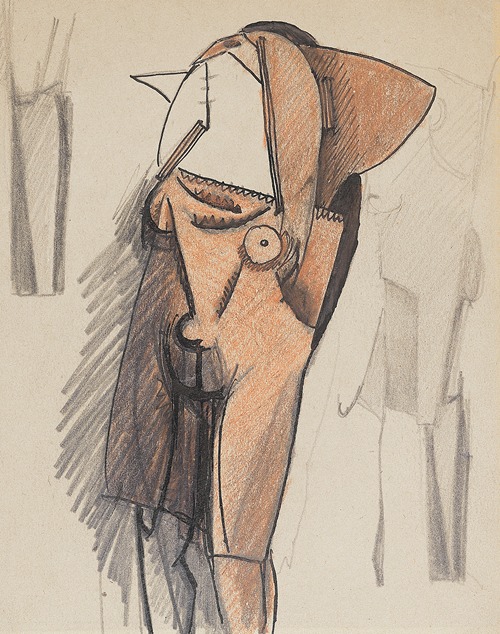
Etude pour La femme se coiffant I
Julio González