
George Frisbie Hoar (1826-1904) — History & Facts
This truth resonates deeply within the serene visage captured in the painting. Here stands a figure seemingly at peace, yet the stillness suggests a deeper narrative, a complex interplay of emotions beneath the surface. Look closely at the expression on Hoar's face, where a subtle smile meets the heavy weight of wisdom. Focus on the way the light bathes his features, accentuating the fine lines that tell stories of battles fought and victories claimed.
The backdrop, painted in muted tones, creates a quiet sanctuary that allows the viewer's gaze to linger on the intricate details of his attire, especially the luxurious gold trim that hints at his status. This careful composition invites reflection on the interplay of power and humility. Delve into the contrasts within the work, such as the play between light and shadow, which mirrors the duality of public triumph and personal sorrow. The artist has utilized soft, warm hues to evoke a sense of calm, yet the slight furrow of Hoar's brow suggests the burden of his responsibilities and the complexities of his legacy.
Each stroke of the brush reveals layers that speak to the inherent tension between serenity and the tumult of a life dedicated to public service. Frederic Porter Vinton painted this portrait between 1888 and 1889, a period when he was based in Boston, engaged in a vibrant artistic community that was influenced by both American Impressionism and the European academic tradition. During this time, the nation was grappling with significant social and political changes, and Vinton’s work reflects both the elegance of the era and the introspective nature of its subjects, capturing the essence of a man who navigated the intricacies of leadership with grace.
More Artworks by Frederic Porter Vinton
Browse all →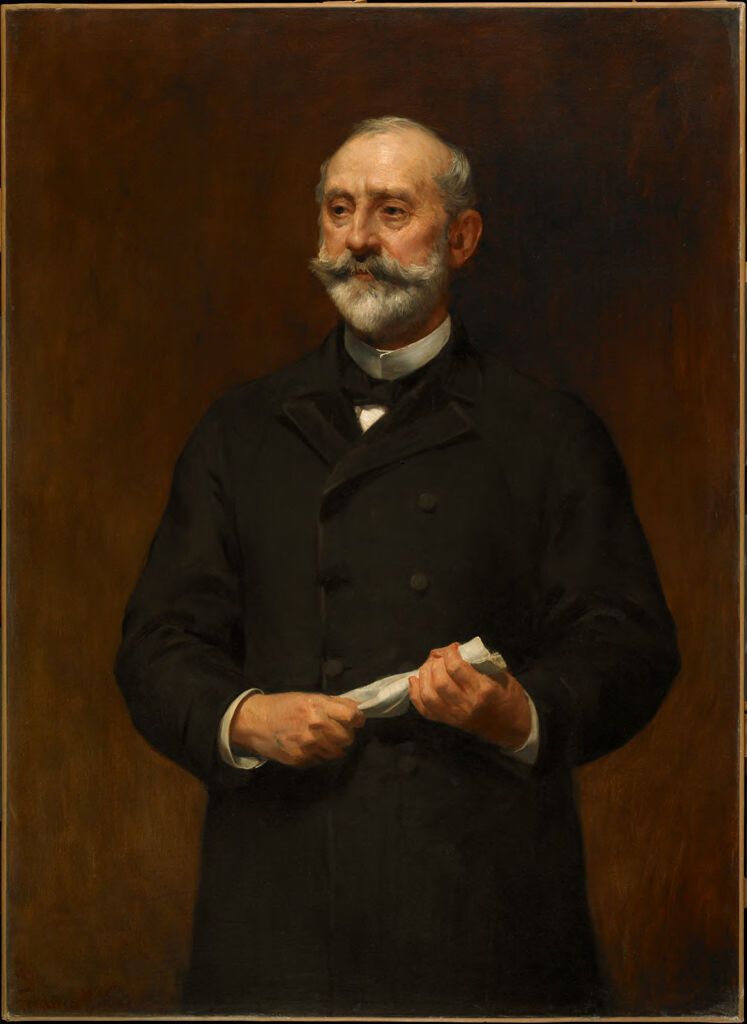
Charles Devens (1820-1891)
Frederic Porter Vinton
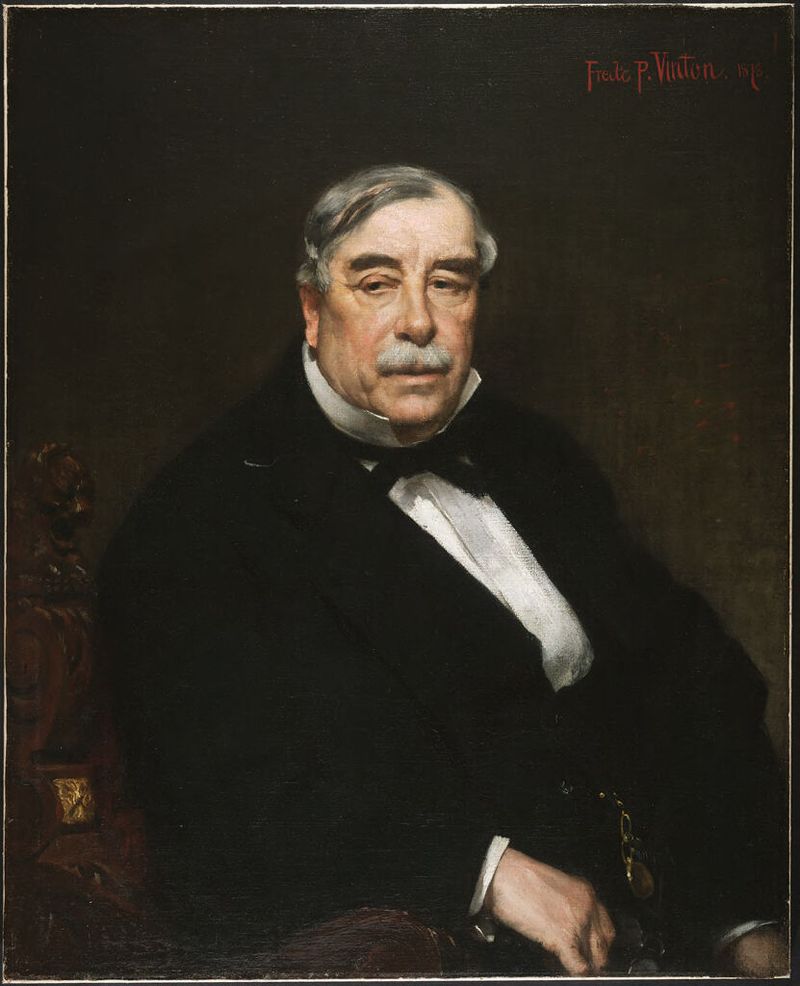
Thomas Gold Appleton (1812-1884)
Frederic Porter Vinton
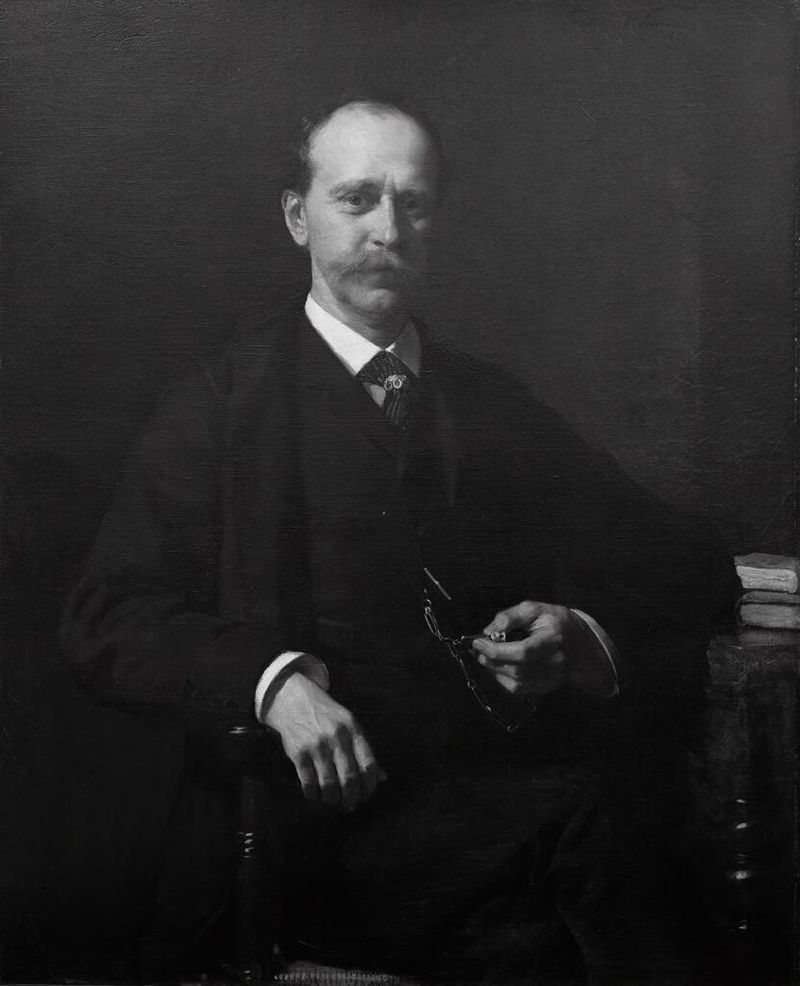
William Lambert Richardson (1842-1932)
Frederic Porter Vinton
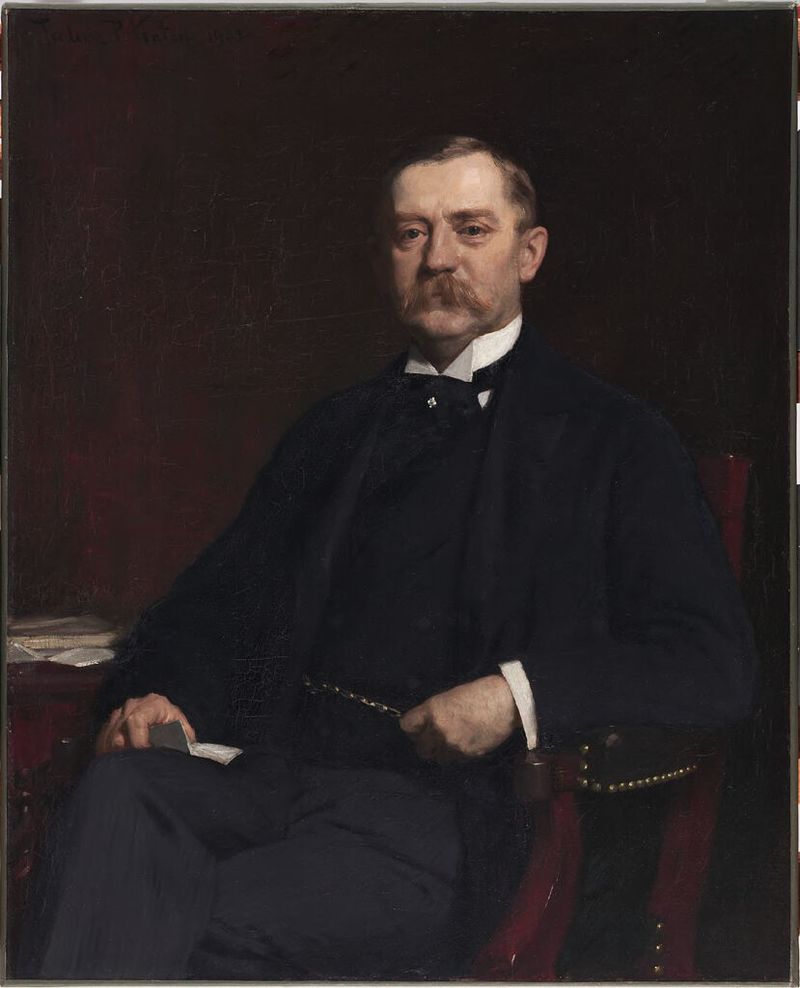
John Collins Warren (1842-1927)
Frederic Porter Vinton
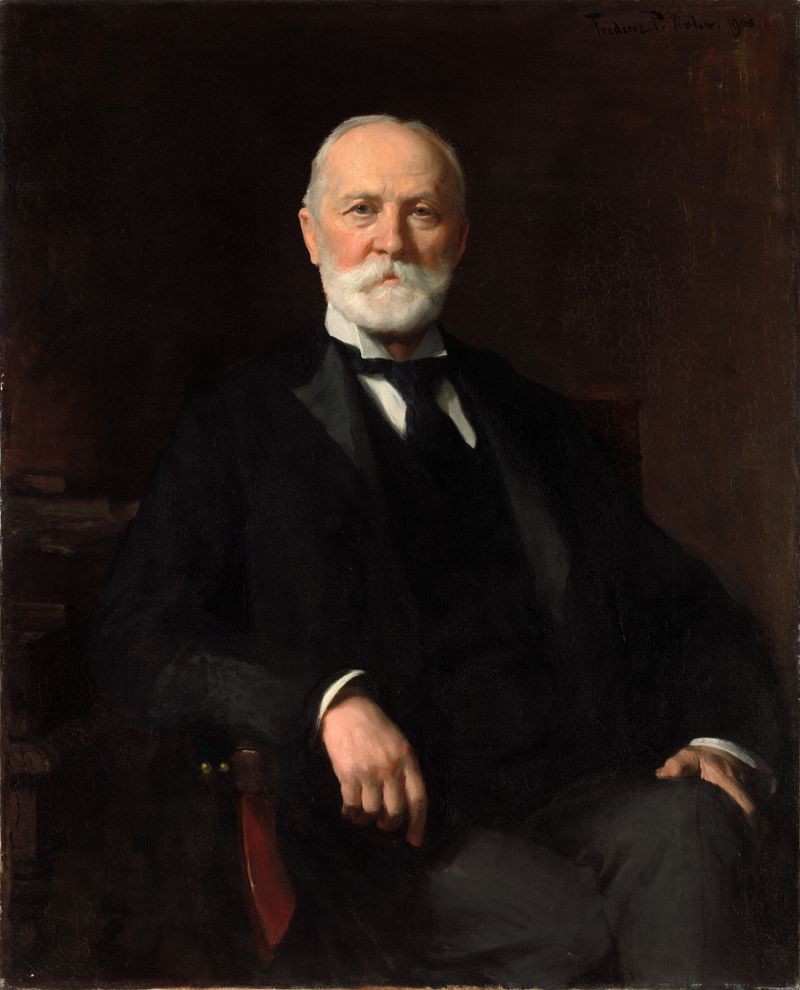
James Clark White (1833-1916)
Frederic Porter Vinton
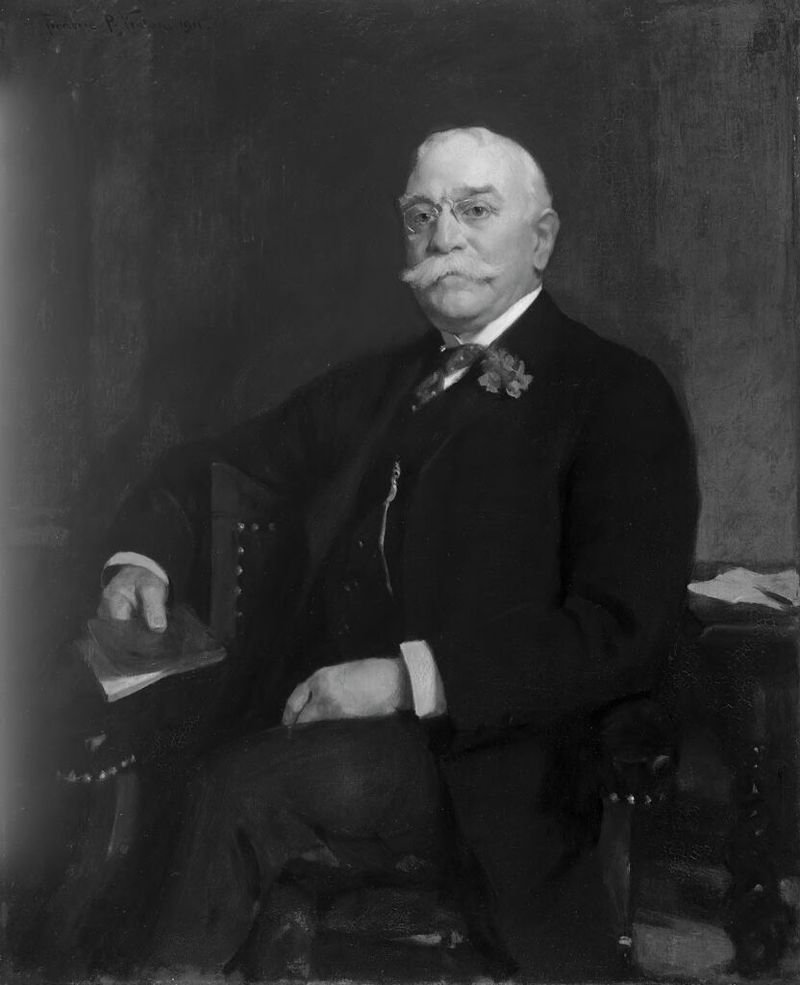
Charles Burnham Porter (1840-1909)
Frederic Porter Vinton
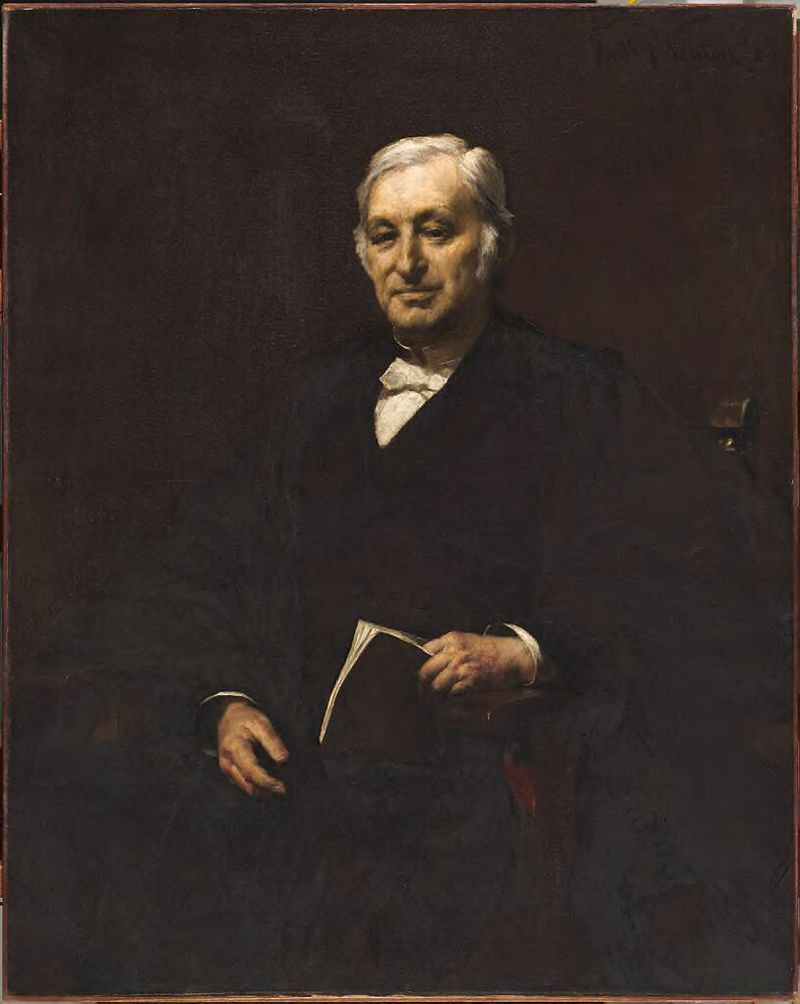
Andrew Preston Peabody (1811-1893)
Frederic Porter Vinton
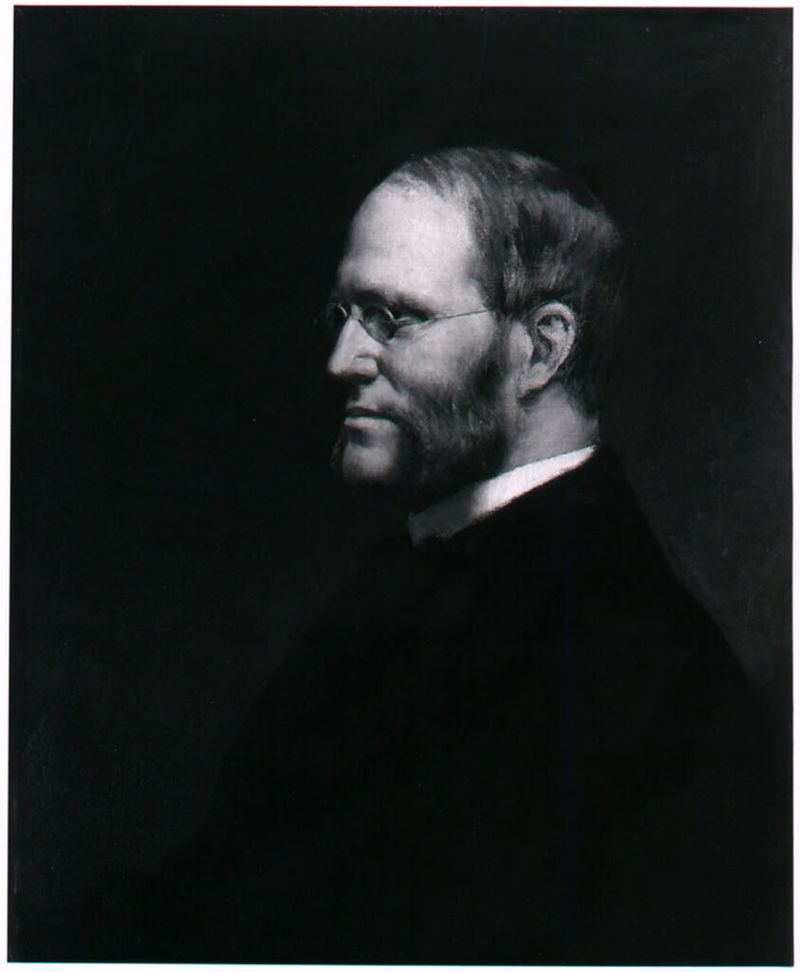
Calvin Ellis (1826-1883)
Frederic Porter Vinton
More Portrait Art
Browse all →
Las meninas
Diego Velázquez

Self-portrait with a Bandaged Ear and Pipe
Unidentified artist

Girl with a Pearl Earring
Johannes Vermeer

The Sampling Officials of the Amsterdam Drapers’ Guild, Known as ‘The Syndics’
Rembrandt van Rijn

The Hundred Guilder Print: the man seen on the back in the lower left corner
Rembrandt van Rijn

Portrait of Dr Gachet
Vincent van Gogh