Inro — History & Facts
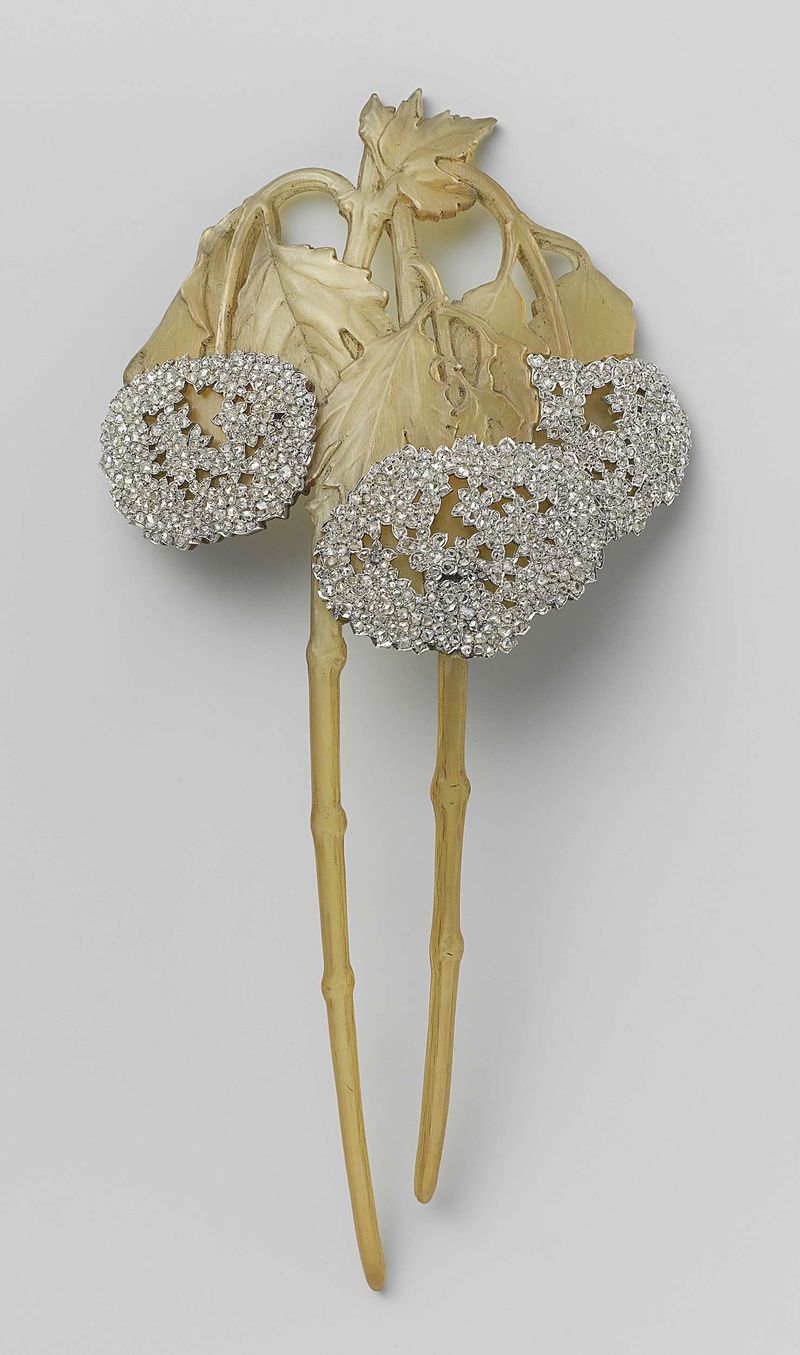
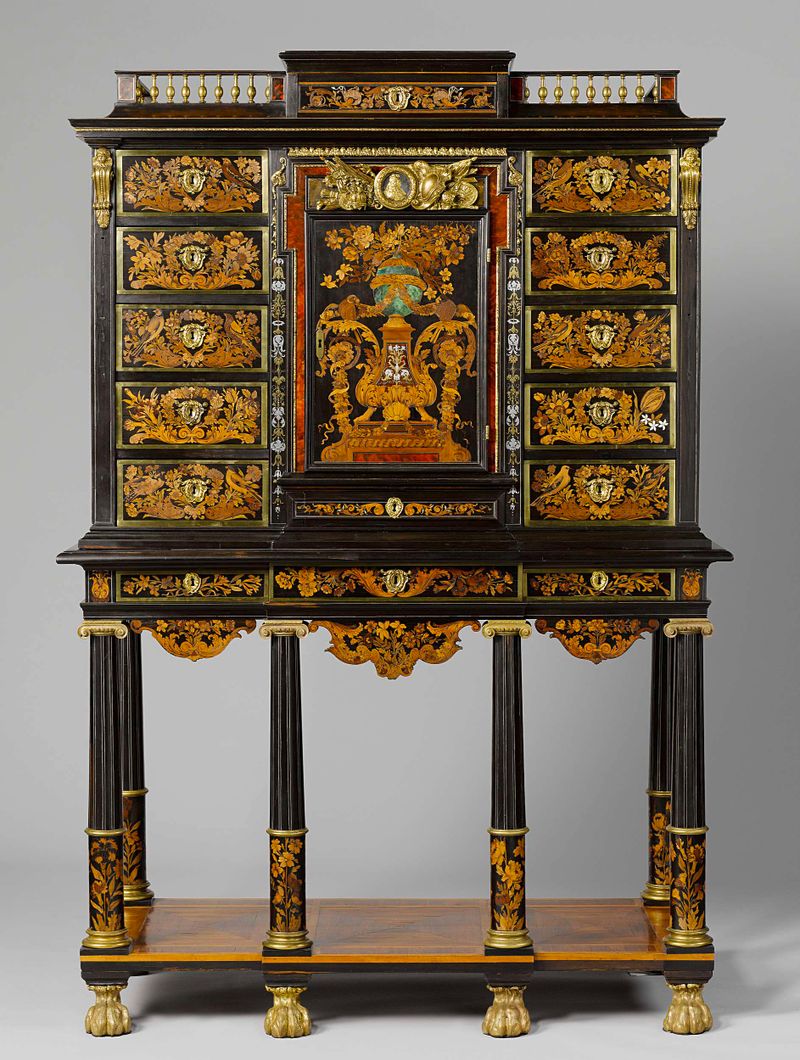
Can paint confess what words never could? In Inro, melancholy lingers in every brushstroke, evoking a depth of emotion that transcends mere description. Look to the center of the composition where the intricate patterns dance across the surface of the inro, a traditional Japanese case for holding small items. Notice how the delicate gold and silver lacquer glimmers under the light, contrasting with the deep, rich blacks that encase it. The meticulous details command attention, leading the eye to the elegant motifs that speak of nature and isolation, each layer revealing a new facet of the artist’s skill and intent. Within this object, a quiet tension resides.
The intertwining vines, symbolizing growth and entanglement, contrast sharply with the smooth, closed form of the inro, hinting at the complexities of human emotions—beauty nested within confines. Each flourish tells a story, a glimpse into solitude, and the potential for both connection and distance, transforming a simple container into a vessel of poignant narratives. Created between 1800 and 1900, Sekigawa painted this work during a period when Japan was experiencing profound change, transitioning from the Edo period into modernization. This era saw a revival of traditional crafts as artists sought to preserve cultural identity amidst the encroaching Western influences.
Sekigawa, deeply immersed in this milieu, channeled his insights into Inro, capturing the essence of a time fraught with uncertainty yet adorned with beauty.