
Jacopo Butera — History & Facts
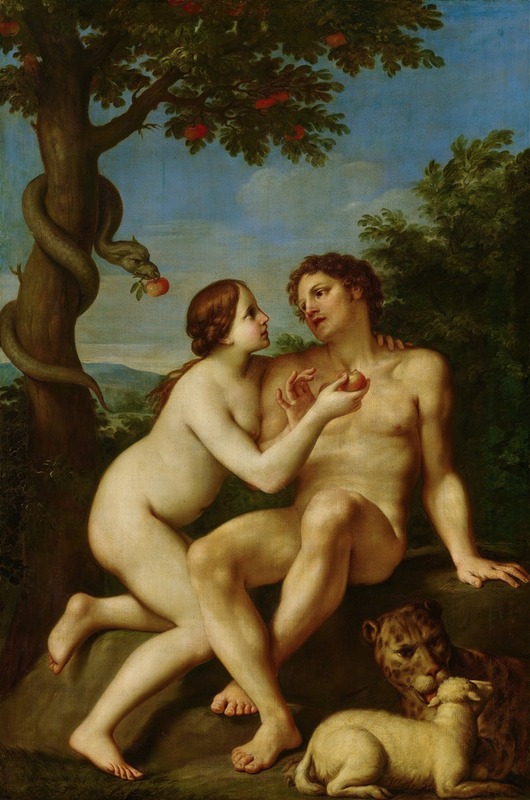
Where does light end, and longing begin? In the delicate interplay of shadow and shimmer within the depths of this baroque masterpiece, a tale of betrayal quietly unfolds, echoing the complexities of human emotion. Look to the center of the canvas, where luminous figures are entwined, illuminated by a divine glow that seems to emerge from an unseen source. The soft brushstrokes create an ethereal quality, while the rich palette of golds and deep blues draws the viewer into an emotional embrace. Notice how the light falls upon the faces, illuminating their expressions of both serenity and turmoil, highlighting the contrasts between hope and despair. The gestures in this work convey a profound tension; the longing in their eyes speaks of unfulfilled desires and unspoken truths.
A subtle tension lies in the background, where shadowy figures linger, suggesting the presence of betrayal. This duality—of warmth and coldness, light and dark—invites contemplation on the nature of trust and the frailty of human connections. Francesco Solimena painted this work around 1695, during a time when the Baroque style was reaching its peak in Naples. Emerging as a prominent figure in the Neapolitan art scene, Solimena's works were characterized by their dramatic use of color and light, reflecting the emotional intensity of the era.
As personal and societal upheavals marked this period, the artist captured the complexities of the human experience through a lens both intimate and expansive.
More Artworks by Francesco Solimena
Browse all →
More Religious Art
Browse all →
The Return of the Prodigal Son
Rembrandt van Rijn

The Garden of Earthly Delights
El Bosco

Count Orgaz’ funeral
El Greco

The Hundred Guilder Print: the central piece with Christ preaching, the plate arched
Rembrandt van Rijn

The Descent from the Cross
Rogier van der Weyden

The return of the prodigal son
Rembrandt van Rijn