
John Lowell (1856-1922) — History & Facts
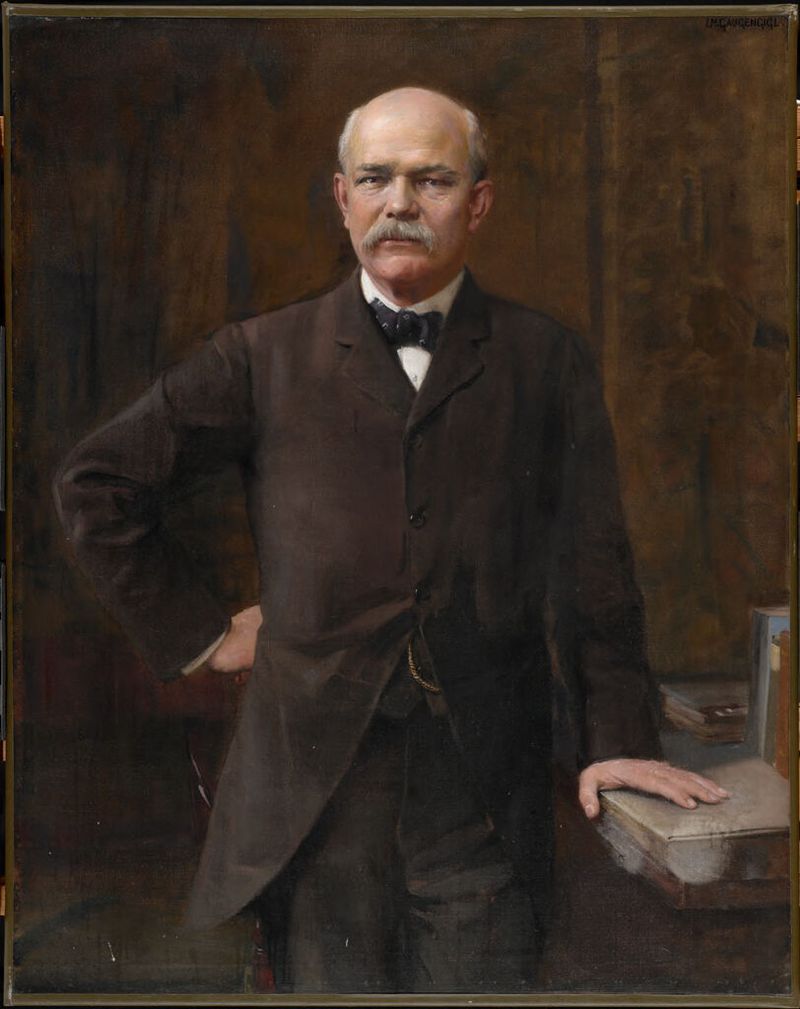
When did color learn to lie? In the world of visual art, shades can whisper truths that often remain unspoken, creating an intricate dance between reality and illusion. Look to the center of the canvas, where the subject stands resolutely against a backdrop of muted tones. The artist’s masterful use of chiaroscuro highlights the figure, casting a dramatic shadow that elongates and transforms, suggesting a narrative just beyond the frame. The palette is rich yet restrained, with deep blues and ochres that provide a tangible depth, while the careful brushwork reveals the texture of fabric and the subtle tilt of the subject’s head, inviting you to lean in closer. Delve deeper into this striking portrayal, and you’ll uncover hidden tensions woven into the fabric of the work.
The ominous shadow hints at an internal struggle, blurring the line between presence and absence. The light illuminating the figure’s features contrasts sharply with the darkness that envelops them, perhaps symbolizing the duality of human experience—light and shadow coexisting in a fragile balance. Each detail, from the thoughtful expression to the gentle draping of clothing, serves to enrich the emotional landscape of the piece. Created in 1896 during a period of artistic exploration, the artist worked in a style that embraced both realism and impressionism.
The late 19th century was marked by an evolution of techniques, and Gaugengigl was influenced by the growing interest in capturing the nuances of human emotion. His dedication to detail, particularly in the play of light and shadow, reflects a moment in art history where the complexities of the human experience were increasingly celebrated.
More Artworks by Ignaz Marcel Gaugengigl
Browse all →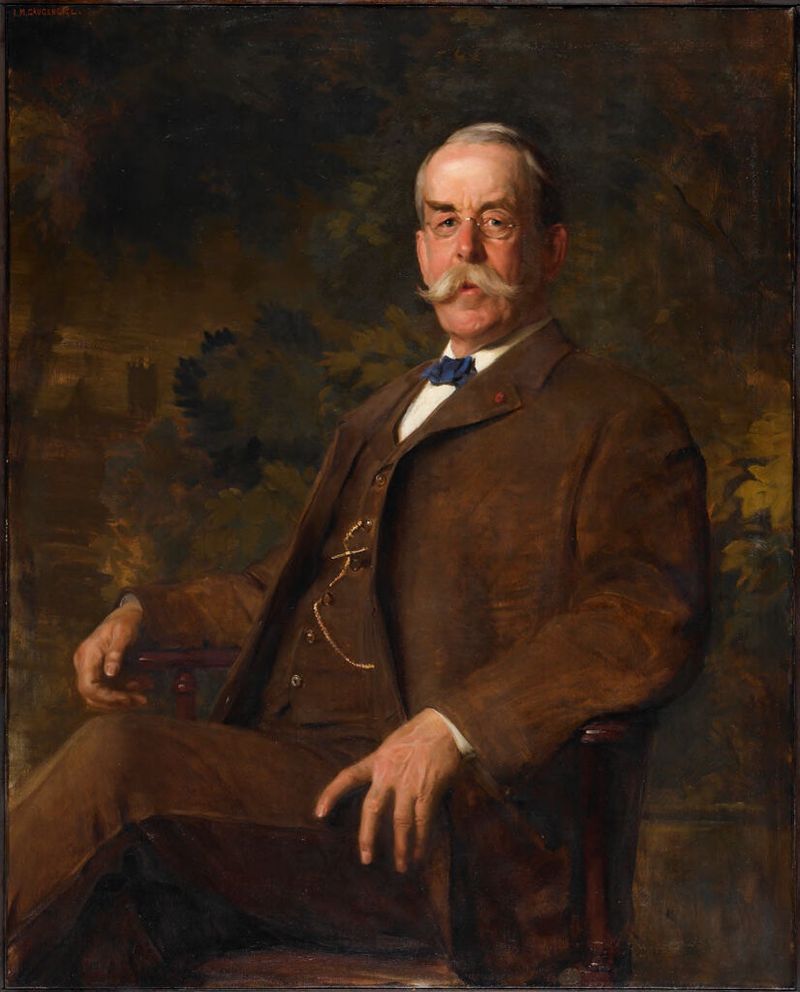
Charles Pickering Bowditch (1842-1921)
Ignaz Marcel Gaugengigl
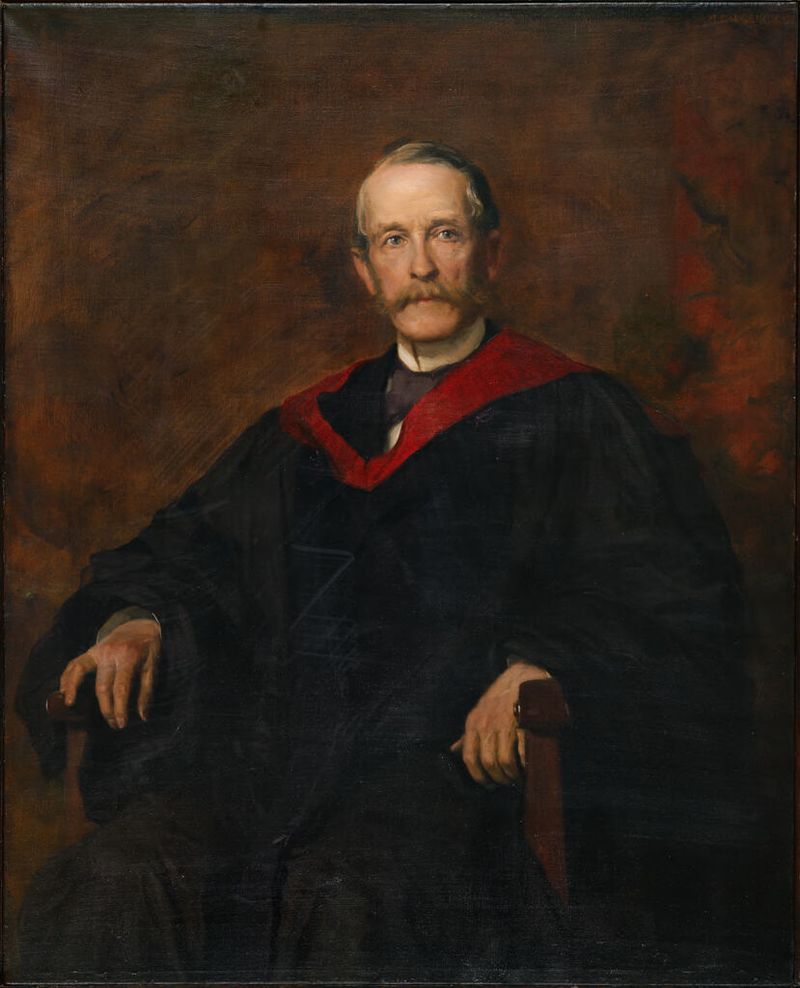
David Williams Cheever (1831-1915)
Ignaz Marcel Gaugengigl
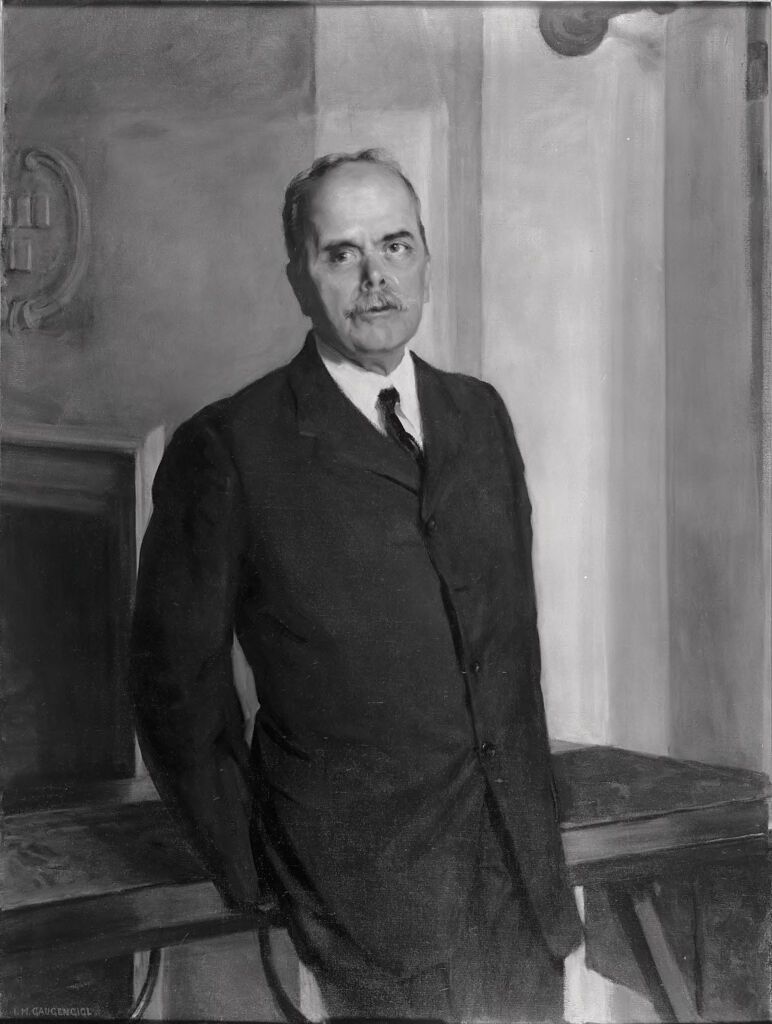
Edward Hickling Bradford (1848-1926)
Ignaz Marcel Gaugengigl
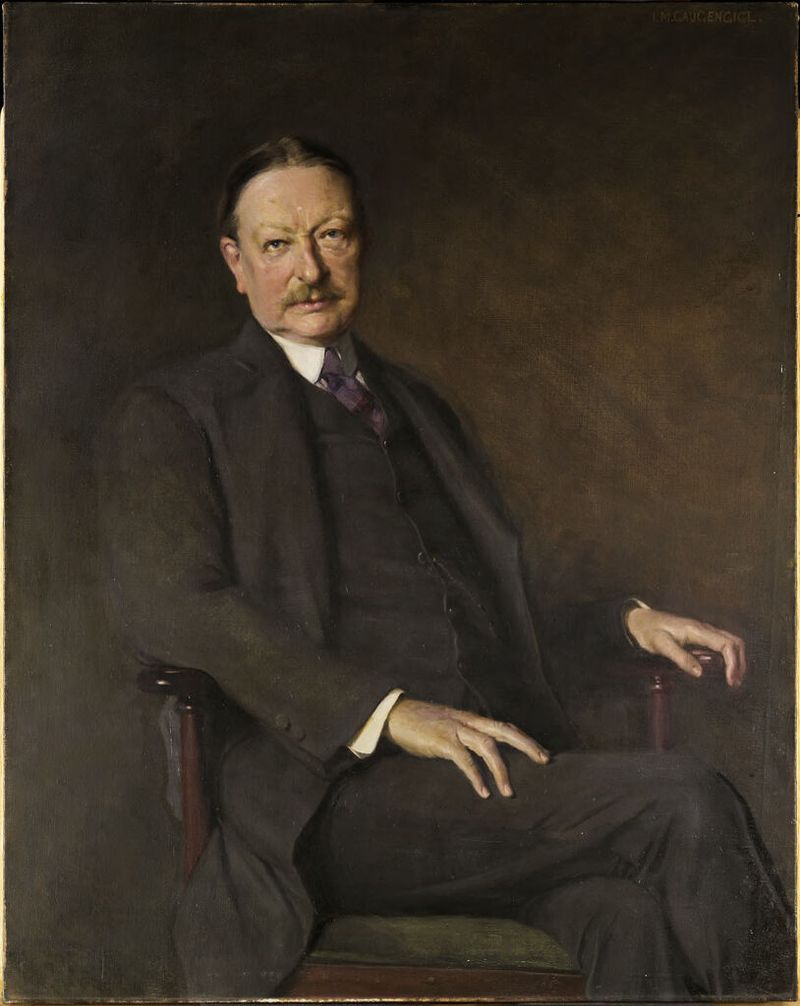
George Foot Moore (1851-1931)
Ignaz Marcel Gaugengigl
Reginald Heber Fitz (1843-1913)
Ignaz Marcel Gaugengigl

Self-Portrait
Ignaz Marcel Gaugengigl
More Portrait Art
Browse all →
Las meninas
Diego Velázquez

Self-portrait with a Bandaged Ear and Pipe
Unidentified artist

Girl with a Pearl Earring
Johannes Vermeer

The Sampling Officials of the Amsterdam Drapers’ Guild, Known as ‘The Syndics’
Rembrandt van Rijn

The Hundred Guilder Print: the man seen on the back in the lower left corner
Rembrandt van Rijn

Portrait of Dr Gachet
Vincent van Gogh