
Joseph Coolidge (1798-1879) — History & Facts
Could a single brushstroke hold eternity? In Joseph Coolidge, the delicate interplay of color and form captures the essence of solitude, echoing the silent, profound isolation that often fills the human experience. Look closely at the figure, prominently positioned in the center of the canvas. The muted tones of his attire blend seamlessly with the somber background, drawing your eye immediately to his expressive face—captured in a moment of quiet contemplation. Notice how the soft, diffused light caresses the contours of his features, revealing an inner depth that resonates with the viewer’s own feelings of loneliness.
The meticulous brushwork highlights the texture of his skin, contrasting sharply with the smoothness of the landscape behind him, amplifying the emotional tension between the subject and his surroundings. The subtle details unfold deeper meanings: the slightly downturned gaze suggests introspection, while the gentle curve of his shoulders implies a burden borne silently. The background, a wash of earth tones, creates an enveloping void that amplifies the figure’s isolation, as if the world outside has faded away. Each stroke seems to whisper stories of longing and introspective silence, inviting viewers to ponder what lies beneath the surface of this solitary existence. Alfred Everett Smith created this poignant work in 1899, a time when he was transitioning into a more personal and expressive style.
The art world was undergoing shifts, with movements like Impressionism influencing many artists. Smith's exploration of human emotion, particularly loneliness, reflects his own experiences and the broader societal changes of the era.
More Artworks by Alfred Everett Smith
Browse all →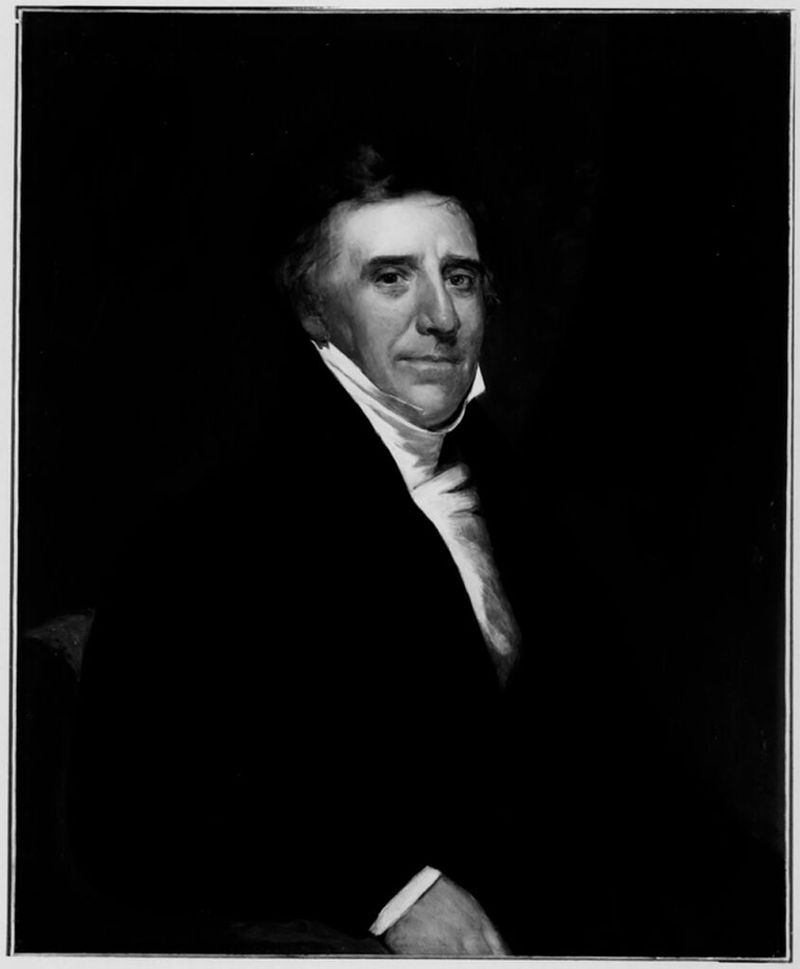
More Portrait Art
Browse all →
Las meninas
Diego Velázquez

Self-portrait with a Bandaged Ear and Pipe
Unidentified artist

Girl with a Pearl Earring
Johannes Vermeer

The Sampling Officials of the Amsterdam Drapers’ Guild, Known as ‘The Syndics’
Rembrandt van Rijn

The Hundred Guilder Print: the man seen on the back in the lower left corner
Rembrandt van Rijn

Portrait of Dr Gachet
Vincent van Gogh