
Kalvária pri Košiciach — History & Facts
Can paint confess what words never could? In Kalvária pri Košiciach, the brush strokes breathe life into a moment suspended in time, as awe and reverence intertwine within the canvas. Look to the center, where a towering cross commands attention, its form both stark and monumental against the muted hues of the landscape. The soft interplay of shadow and light accentuates the figures at its base, their gestures a compelling mixture of anguish and supplication. Notice how the surrounding earth, painted in earthy tones, mirrors the emotional weight of the scene, inviting viewers to not only look but feel the somber gravity of this crucifixion tableau. Hidden amidst the brushwork, the contrasts speak volumes: the light illuminating the cross juxtaposed with the deep shadows cast by the mourners emphasizes the weight of sacrifice and sorrow.
Each figure, though distinct, shares a collective grief that resonates beyond the canvas. The artist captures not just a religious moment but the universal experience of loss, evoking an emotional depth that transcends the visual. The awe inspired by the scene is palpable, as viewers are compelled to confront their own reflections of faith and mortality. Konštantín Kövári-Kačmarik painted this work between 1910 and 1916, during a period marked by his deep engagement with religious themes and the spiritual landscape of Slovakia.
Living in a time when traditional values were being questioned, he sought to portray profound moments that resonated with both personal and communal significance, as the world around him shifted dramatically. This piece stands as a testament to both his artistic vision and the era's complex emotional landscape.
More Artworks by Konštantín Kövári-Kačmarik
Browse all →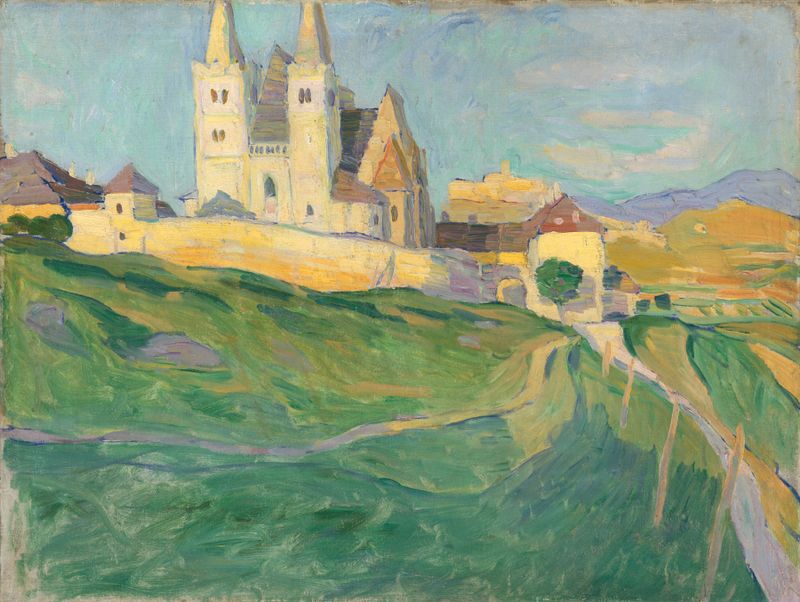
Spišská Kapitula
Konštantín Kövári-Kačmarik
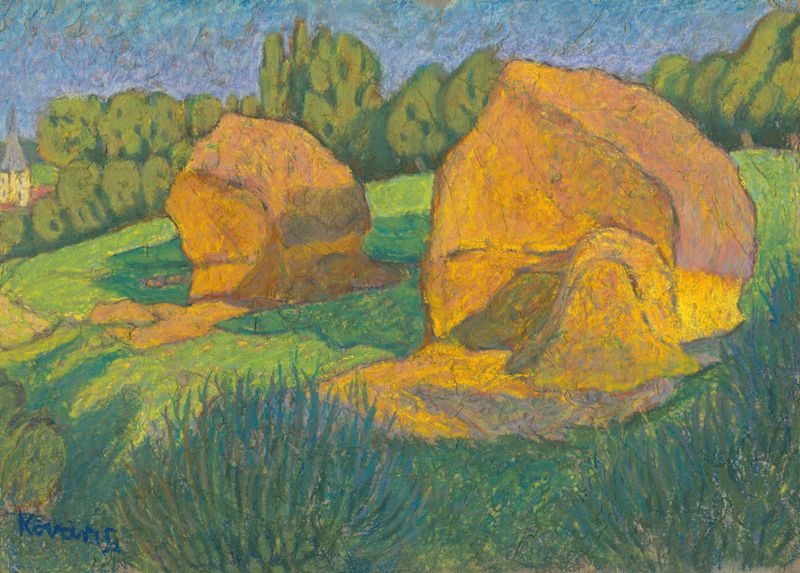
Krajina so stohmi
Konštantín Kövári-Kačmarik

Krátka ulica v Košiciach
Konštantín Kövári-Kačmarik

Ulica v Kežmarku
Konštantín Kövári-Kačmarik
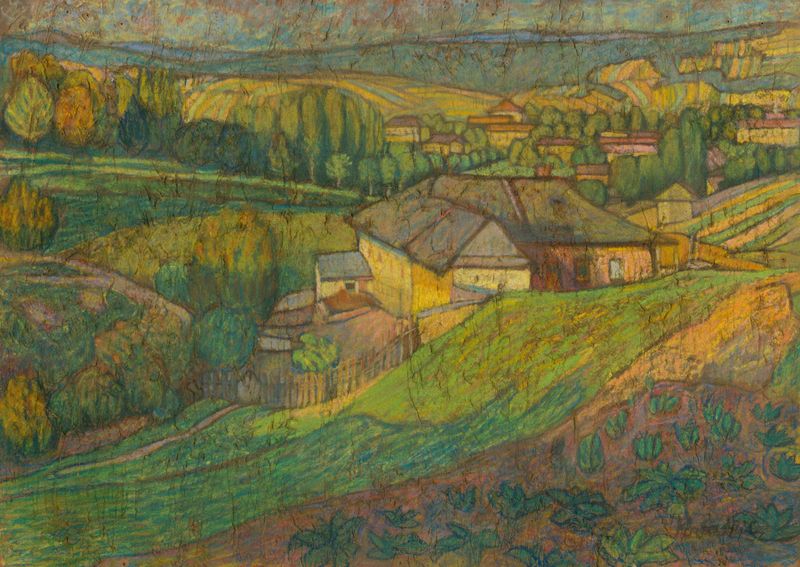
Pohľad na Kalváriu
Konštantín Kövári-Kačmarik
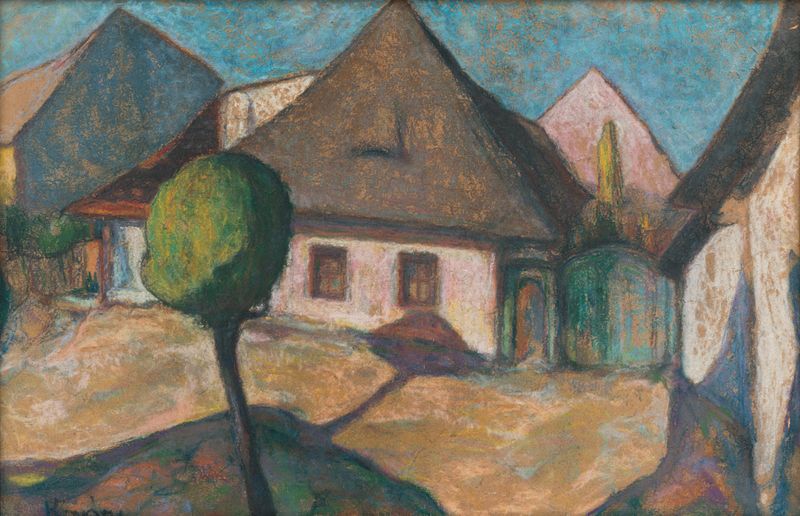
Old Košice
Konštantín Kövári-Kačmarik
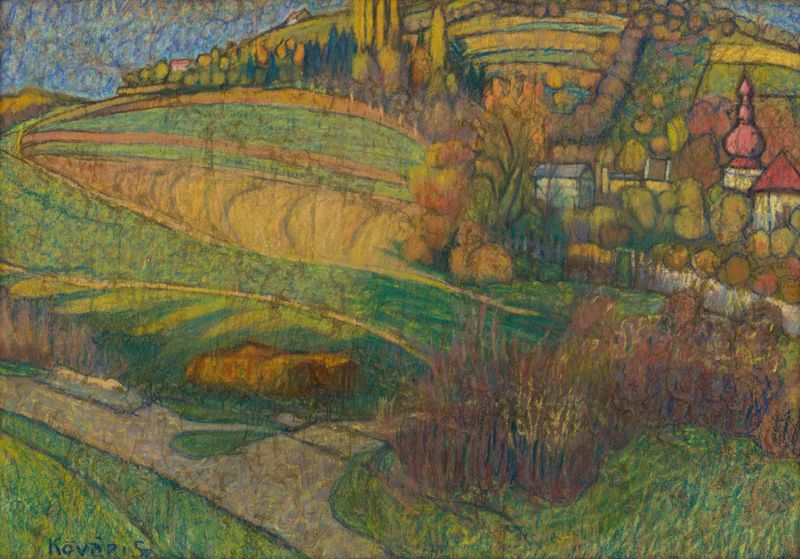
Krajina
Konštantín Kövári-Kačmarik

Krajina
Konštantín Kövári-Kačmarik
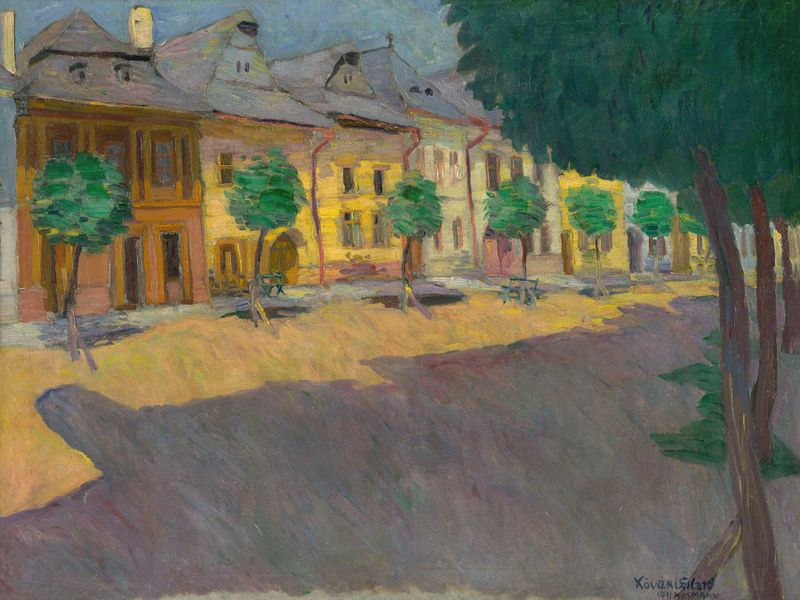
Ulica v Kežmarku
Konštantín Kövári-Kačmarik
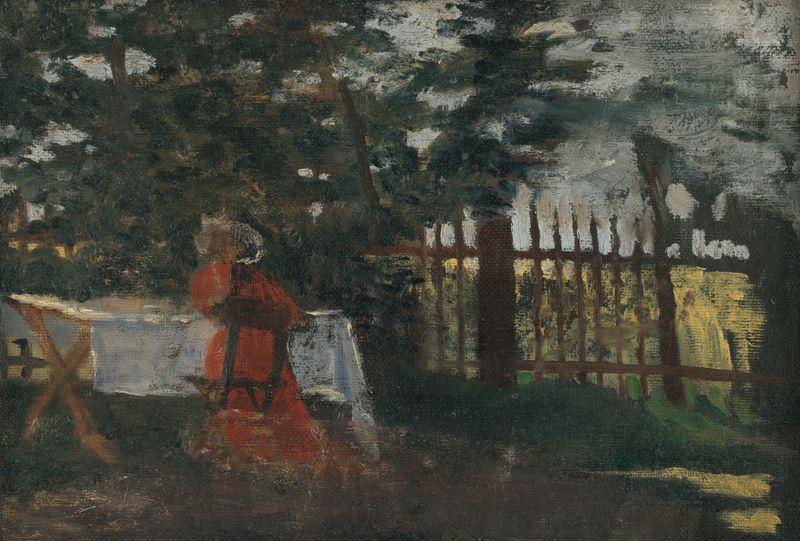
V záhrade
Konštantín Kövári-Kačmarik
More Religious Art
Browse all →
The Return of the Prodigal Son
Rembrandt van Rijn

The Garden of Earthly Delights
El Bosco

Count Orgaz’ funeral
El Greco

The Hundred Guilder Print: the central piece with Christ preaching, the plate arched
Rembrandt van Rijn

The Descent from the Cross
Rogier van der Weyden

The return of the prodigal son
Rembrandt van Rijn