
Laatste Oordeel — History & Facts
The emptiness of existence often feels overwhelming, a void that echoes in the silence of the soul. How do we confront the shadows that linger in our minds, waiting to be acknowledged? Look to the center of the composition, where figures loom in unsettling stillness. The muted tones envelop the canvas, creating a sense of claustrophobia, while the subtle interplay of light casts elongated shadows that dance around the edges.
Notice how the figures, though rendered with remarkable realism, seem detached, their expressions a blend of solemnity and resignation. The artist’s careful brushwork highlights the tension between the intricate details of their garments and the barren landscape surrounding them, emphasizing a profound sense of isolation. This work embodies a deliberate contrast between the vibrancy of life and the heaviness of emptiness. Each face tells a story of anticipatory dread, their gazes drawn toward an unseen horizon that promises no resolution.
The careful arrangement of figures seems to echo the collective anxiety of humanity, a reflection on mortality and the judgement that lies ahead. Here, emptiness transforms into a weight that bears down not only on the characters but on the viewer as well, inviting introspection into our own fears and encounters with the unknown. Painted between 1478 and 1509, this piece reflects Alart du Hameel's exploration of transitional themes in late Medieval art. During this time, Europe was engulfed in turmoil, grappling with moral and existential questions brought forth by the Renaissance.
The world was shifting, and artists were beginning to seek deeper meanings beyond the surface, a pursuit that would ultimately influence the trajectory of Western art for centuries to come.
More Artworks by Alart du Hameel
Browse all →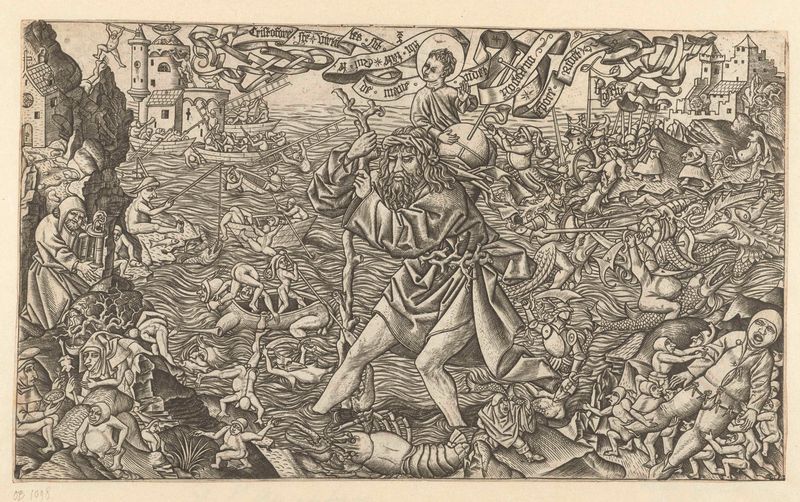
More Religious Art
Browse all →
The Return of the Prodigal Son
Rembrandt van Rijn

The Garden of Earthly Delights
El Bosco

Count Orgaz’ funeral
El Greco

The Hundred Guilder Print: the central piece with Christ preaching, the plate arched
Rembrandt van Rijn

The Descent from the Cross
Rogier van der Weyden

The return of the prodigal son
Rembrandt van Rijn