
LeBaron Russell Briggs — History & Facts
When did color learn to lie? Memory, like a fleeting shadow, dances across the canvas, inviting contemplation of truth and illusion. Direct your gaze to the vibrant blues and greens that wash over the composition, as they pulse with life and resonance. Notice how the brushstrokes blend seamlessly, creating a sense of movement that feels both organic and deliberate. The juxtaposition of the softer hues against sharper lines draws your attention to the subject’s form, emphasizing the interplay between light and shadow, reality and recollection. Hidden within the layers is a dialogue about perception.
The elongated figure seems to embody not just the person depicted but the essence of memory itself—fluid, nuanced, and elusive. Every shade tells a story, evoking nostalgia while simultaneously challenging the viewer to question what is real and what is merely a construct of the mind’s eye. Are these colors the true representation of the subject, or do they mask a deeper complexity? In 1923, as Markham painted this piece, he found himself amidst a rich tapestry of modernist exploration.
The world grappled with rapid change, and artists sought new languages to express the shifting dynamics of society. Markham, influenced by his experiences in a post-war era, translated the emotional weight of that time into his work, allowing LeBaron Russell Briggs to stand as a poignant reflection on identity and memory.
More Portrait Art
Browse all →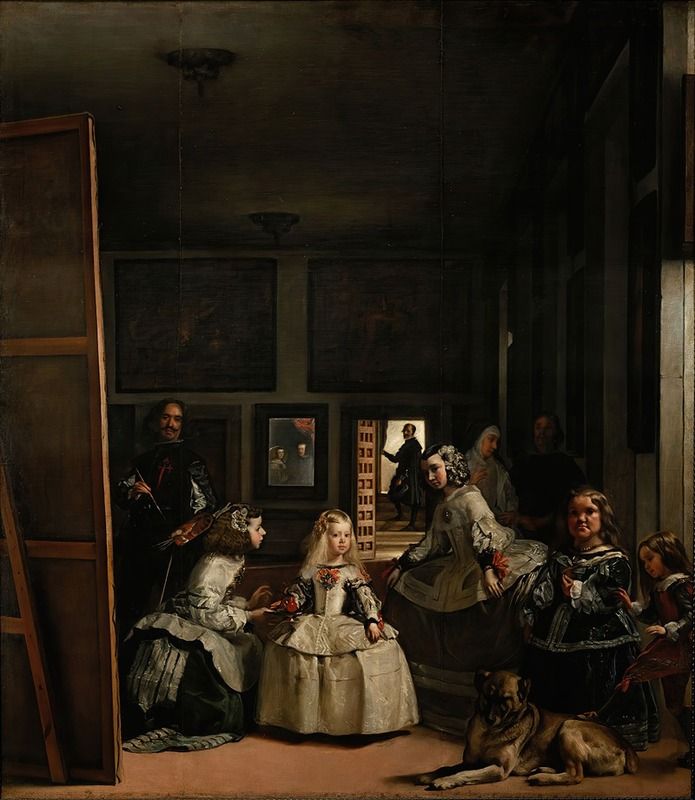
Las meninas
Diego Velázquez
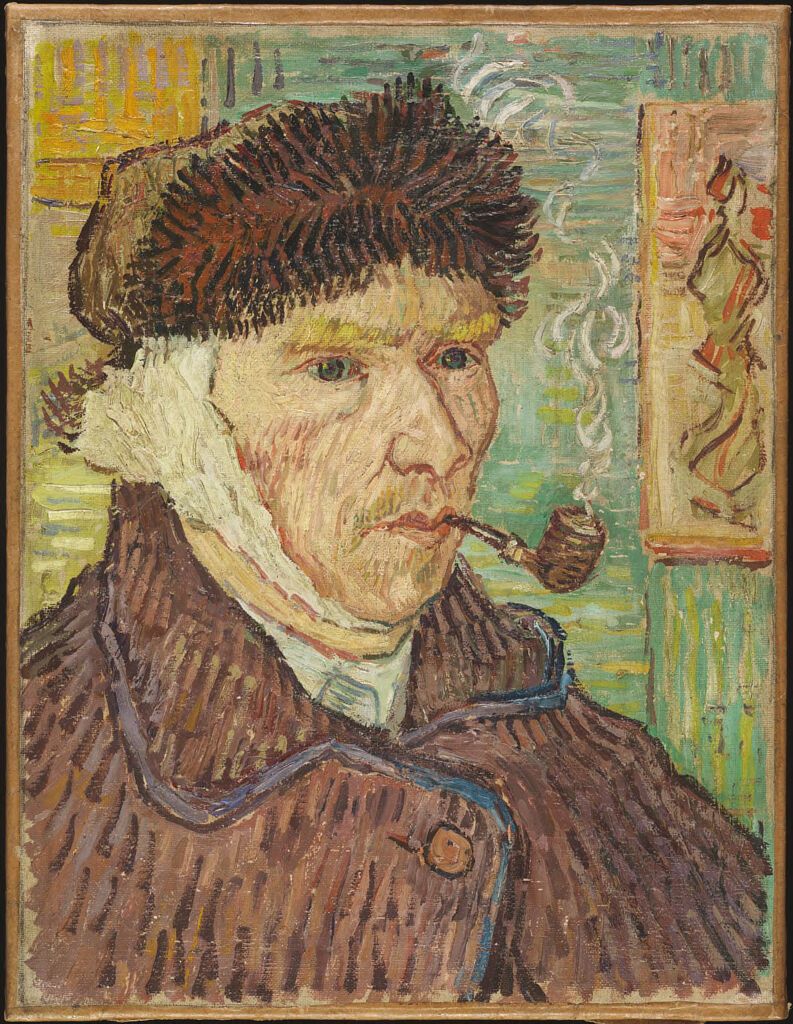
Self-portrait with a Bandaged Ear and Pipe
Unidentified artist
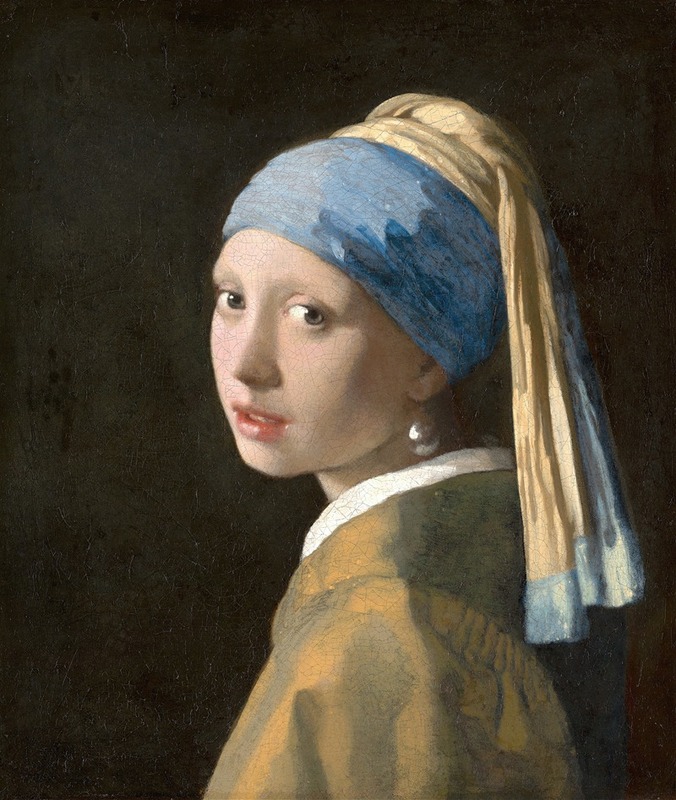
Girl with a Pearl Earring
Johannes Vermeer

The Sampling Officials of the Amsterdam Drapers’ Guild, Known as ‘The Syndics’
Rembrandt van Rijn

The Hundred Guilder Print: the man seen on the back in the lower left corner
Rembrandt van Rijn

Portrait of Dr Gachet
Vincent van Gogh