
Man with a Pipe — History & Facts
In a world of fleeting moments, we often overlook the stillness that reveals our own mortality. Look to the left at the figure, a man clad in dark garments, his gaze steady yet introspective. Notice how the muted palette envelops him, with deep browns and soft grays accentuating the glow of the pipe he holds. The delicate play of light softens the contours of his face, inviting us to consider what thoughts dwell behind his solemn expression.
Each brushstroke whispers of restraint, allowing the viewer to linger in the quietude of the scene. The pipe itself, a seemingly simple object, symbolizes more than habit; it becomes a vessel of contemplation, perhaps a moment of reflection on the brevity of life. The man's expression—half in shadow, half illuminated—invites interpretations of duality: presence versus absence, life versus death. This interplay of light and dark serves as a reminder of the transient nature of existence, showcasing how moments of calm can hold profound significance. Created around 1650, this work emerged during a time of great change in European art, as the Baroque style began to evolve.
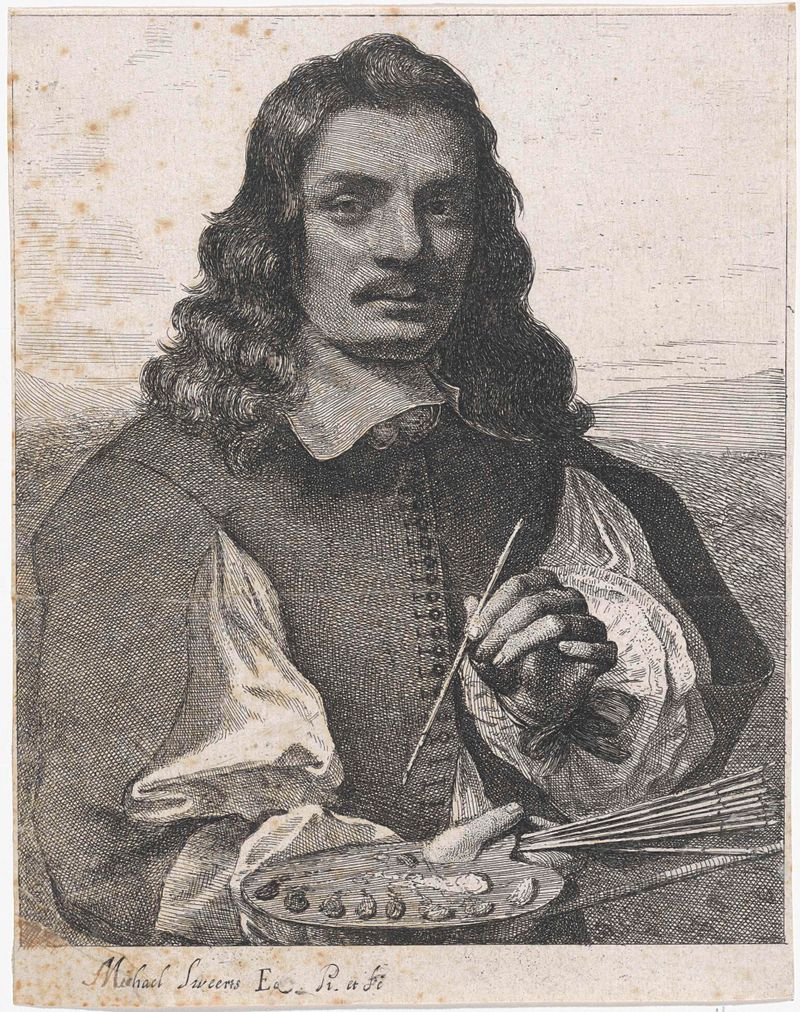
Sweerts was influenced by both the emotional depth of Caravaggio and the burgeoning realism of his contemporaries. Living in the Netherlands, amidst the rise of portraiture and still life, he found a voice that straddled both worlds, seeking to capture not just likeness, but the very essence of humanity itself.
More Artworks by Michael Sweerts
Browse all →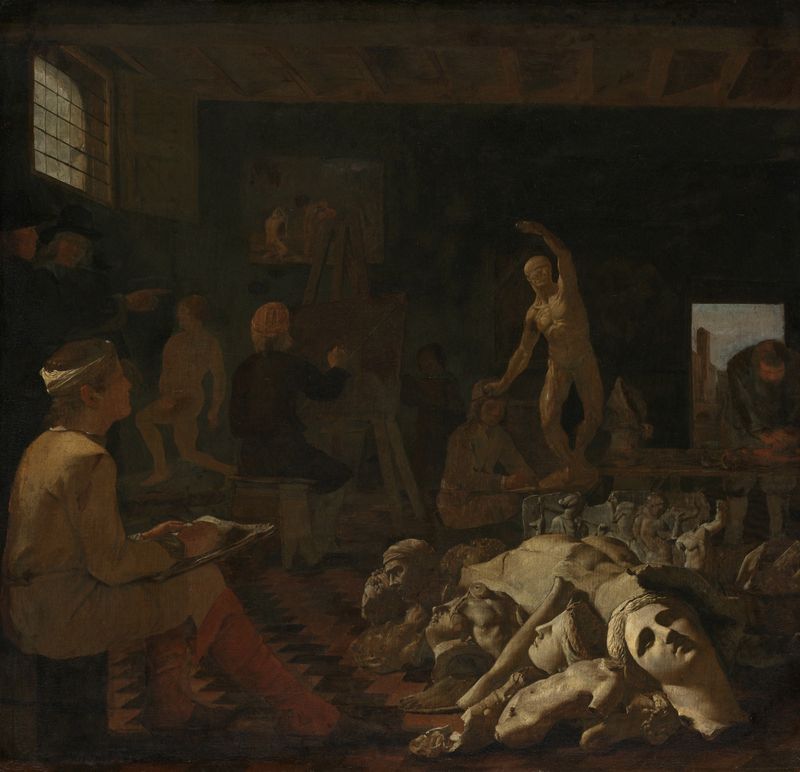


More Portrait Art
Browse all →
Las meninas
Diego Velázquez
Self-portrait with a Bandaged Ear and Pipe
Unidentified artist
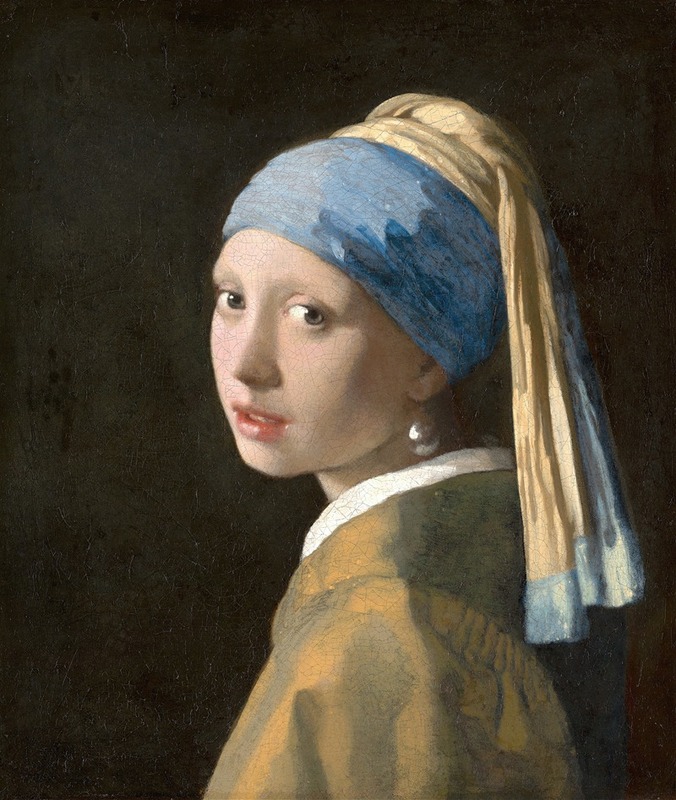
Girl with a Pearl Earring
Johannes Vermeer
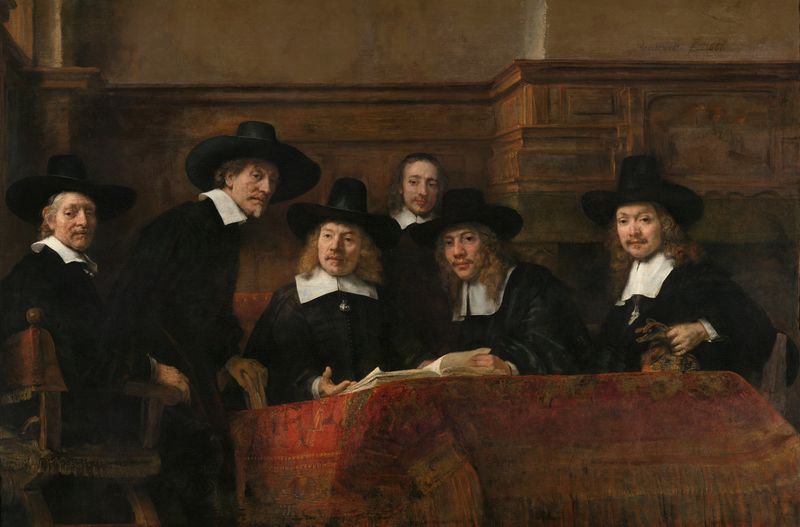
The Sampling Officials of the Amsterdam Drapers’ Guild, Known as ‘The Syndics’
Rembrandt van Rijn
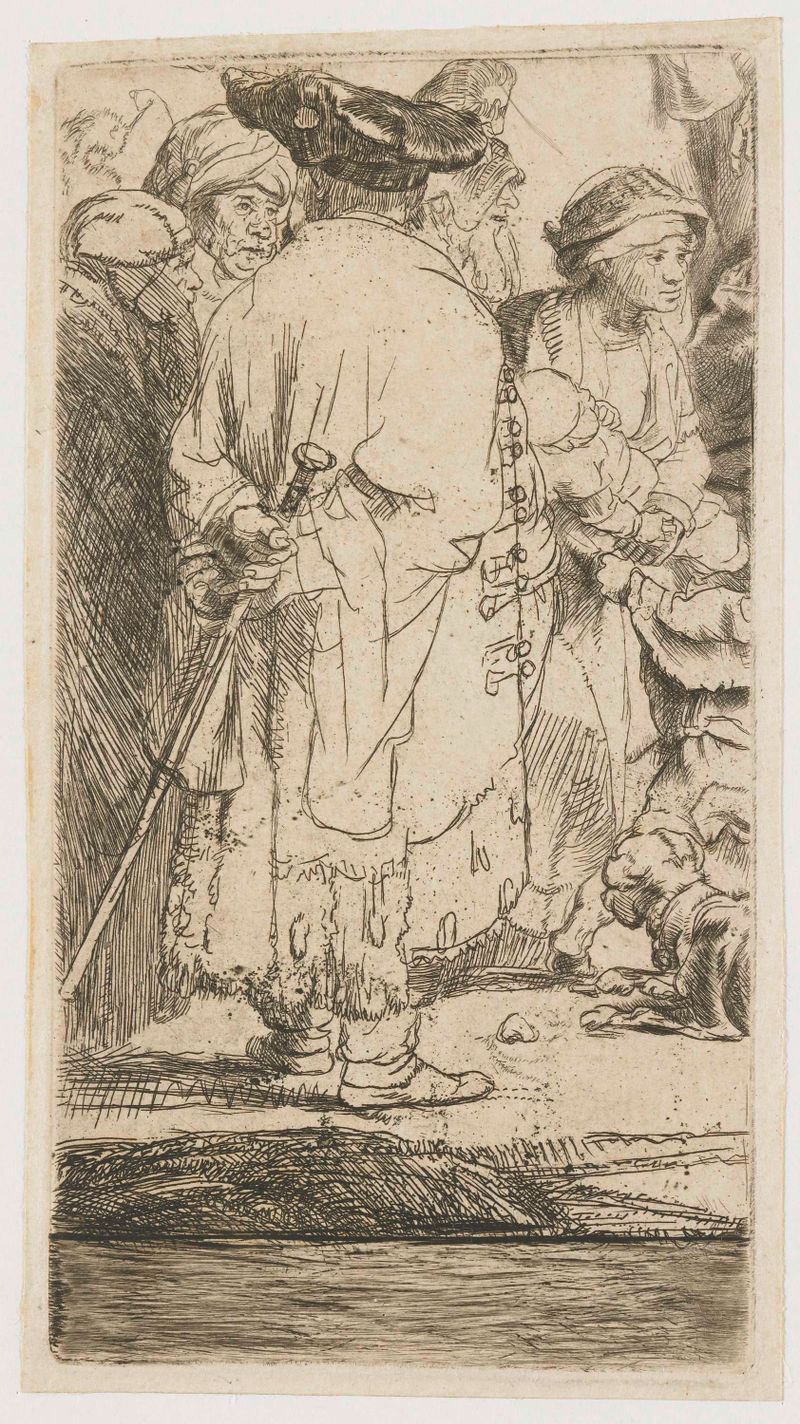
The Hundred Guilder Print: the man seen on the back in the lower left corner
Rembrandt van Rijn

Portrait of Dr Gachet
Vincent van Gogh