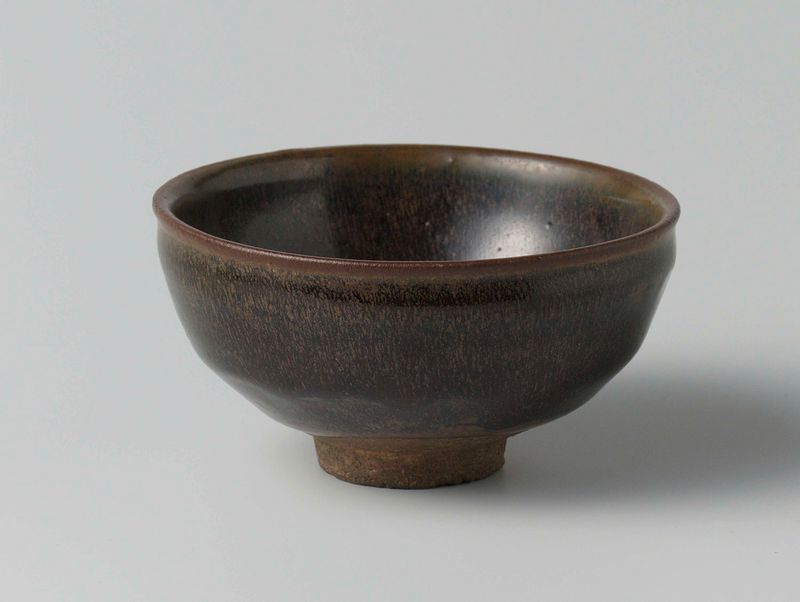
målning, barkmålning, painting — History & Facts
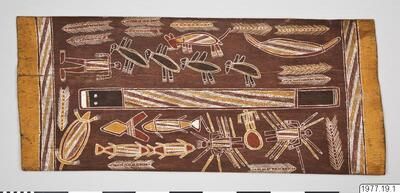
Can beauty exist without sorrow? It’s a question that resonates deeply within the vibrant strokes and intricate patterns of this artwork, a stunning representation of bark painting that invites introspection and reverence. Focus on the mesmerizing interplay of color, where earthy tones flow harmoniously into vivid bursts of ochre and rich greens. The layered textures draw you in, revealing the meticulous craftsmanship that defines this piece. Notice how the sweeping lines guide your gaze, creating a rhythm that mimics the ebb and flow of nature itself.
Each stroke seems to whisper the stories of the land, and the light dances across the surface, illuminating the deep connection between the artist and their environment. As you delve deeper, the layered meanings unfold. The colors represent not only the physical landscape but also the spiritual essence of the Aboriginal culture, where each hue carries significance and narrative. There’s a profound contrast between the vibrant life depicted in the painting and the underlying sorrow of colonization, a tension that echoes through the brushwork.
This duality invites reflection on the resilience of indigenous stories amidst the weight of history. Created during an unknown period, this piece emerges from the heart of Mutitjpuy, where Mununggurr, a master bark painter, infused his work with cultural heritage and personal expression. At a time when traditional practices faced profound challenges, the artist used this medium to assert identity and resilience, contributing to the continuing evolution of Aboriginal art. The work stands as a testament to the enduring power of creativity in the face of adversity.