
Old Woman Reading — History & Facts
Could beauty survive in a century of chaos? This poignant question lingers in the air, echoing through the quietude of an old woman immersed in the simple act of reading. Focus on the serene figure at the heart of the canvas, her fragile hands gently cradling a book. The soft, muted palette envelops her in an aura of warmth, yet a sense of decay hangs in the air, evident in the delicate lines of her weathered skin. Notice how the light falls upon her face, illuminating the creases that tell stories of time, while shadows linger in the corners, hinting at fleeting moments lost to memory.
The painting’s composition draws the viewer’s gaze inward, creating an intimate connection between the observer and the reader’s quiet world. Here, the contrast between light and shadow not only highlights the ravages of time but also emphasizes the strength found in solitude. The room, sparse yet filled with the weight of history, suggests a life lived with resilience. While the decay of age is palpable, the woman’s focused expression reveals a beauty that defies her surroundings—a testament to perseverance amid life’s inevitable decline.
The book itself, an object of knowledge and escape, becomes a symbol of hope, as if inviting the viewer to consider their own journey through the chaos of existence. During the years between 1820 and 1833, the artist created this work while living in the Netherlands, a time marked by social and political upheaval. The artistic community experienced a shift towards realism, capturing the essence of human experience in its raw form. Kruseman, influenced by Dutch tradition and the Romantic movement, sought to depict the depth of character and emotion, reflecting the complexities of life against a backdrop of change.
More Artworks by Cornelis Kruseman
Browse all →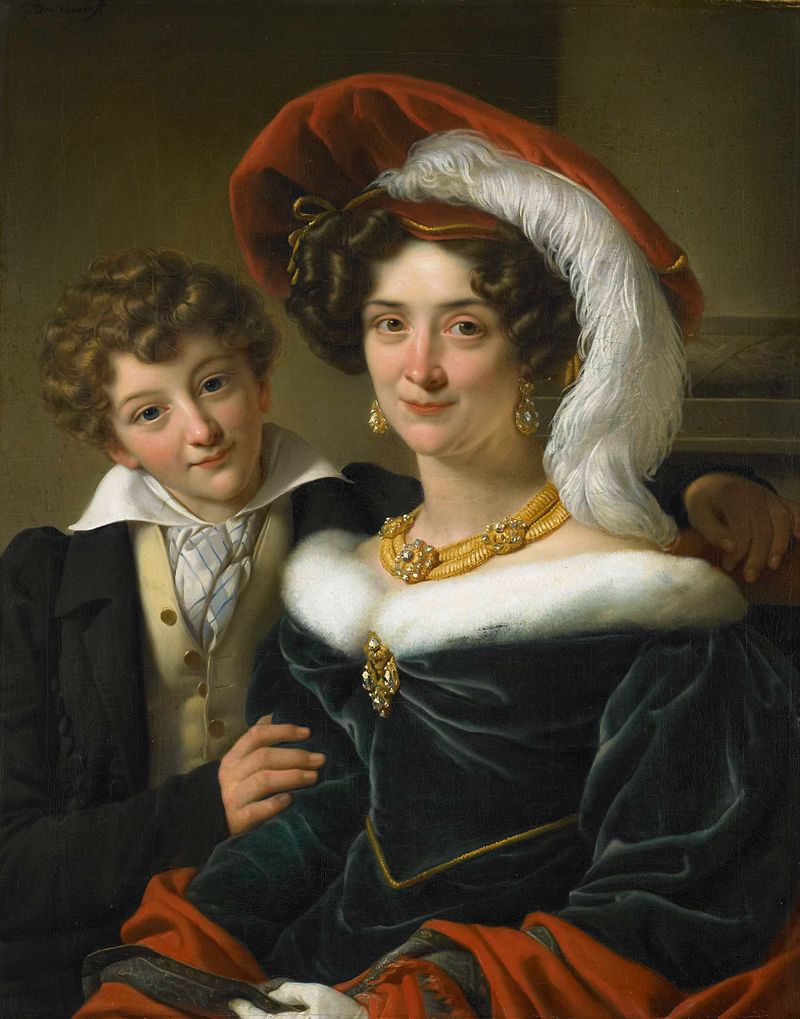
Rudolphina Wilhelmina Elizabeth de Sturler (1798-1873), second Wife of Count Johannes van den Bosch, with their Son Richard Leeuwenhart
Cornelis Kruseman
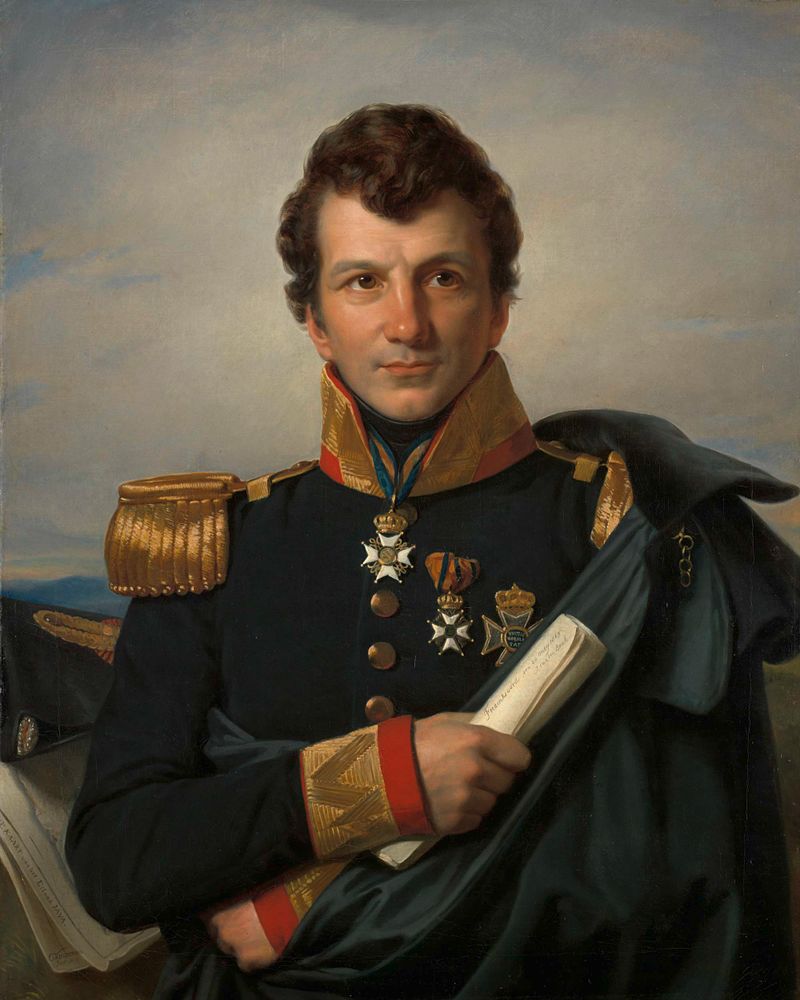
Johannes van den Bosch (1780-1844), Governor-General of the Dutch East Indies, Colonial Minister
Cornelis Kruseman
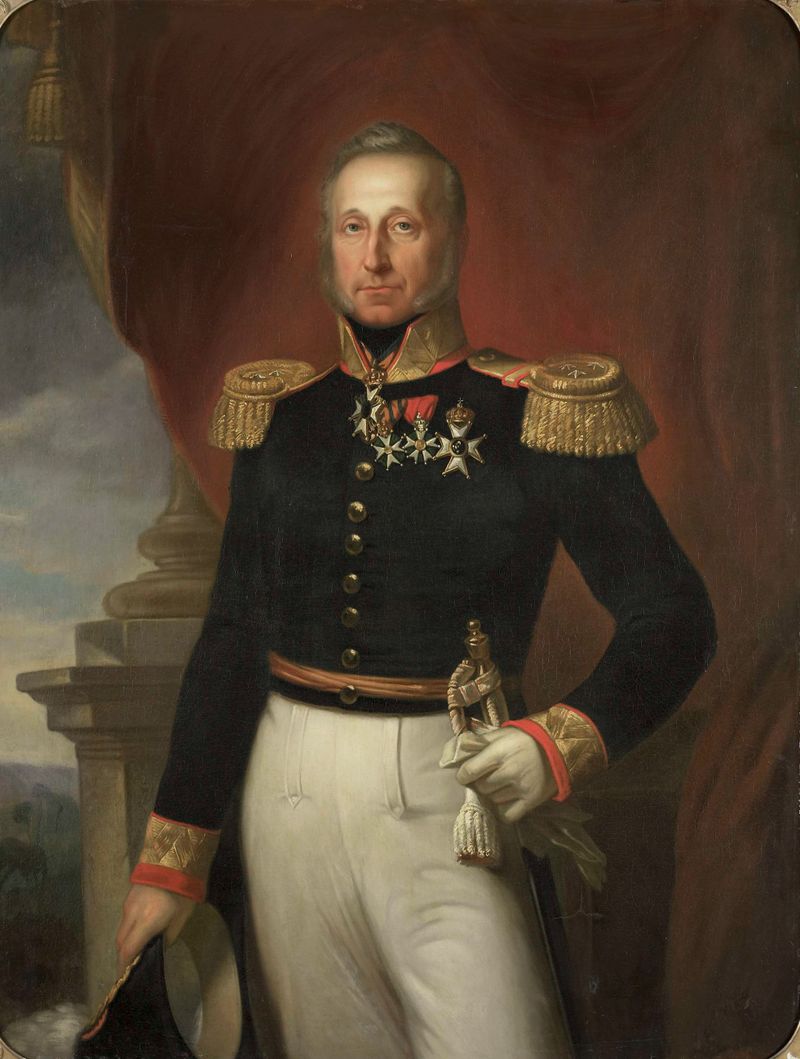
Portrait of Dominique Jacques de Eerens, Governor-General of the Dutch East Indies
Cornelis Kruseman
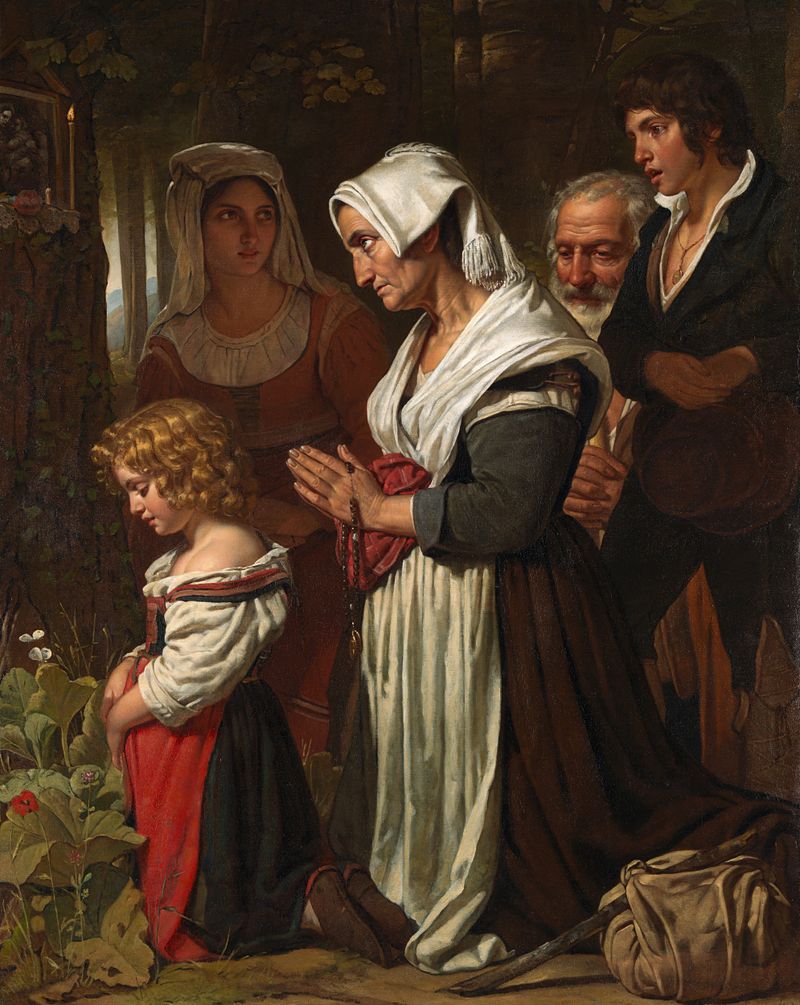
Piety
Cornelis Kruseman
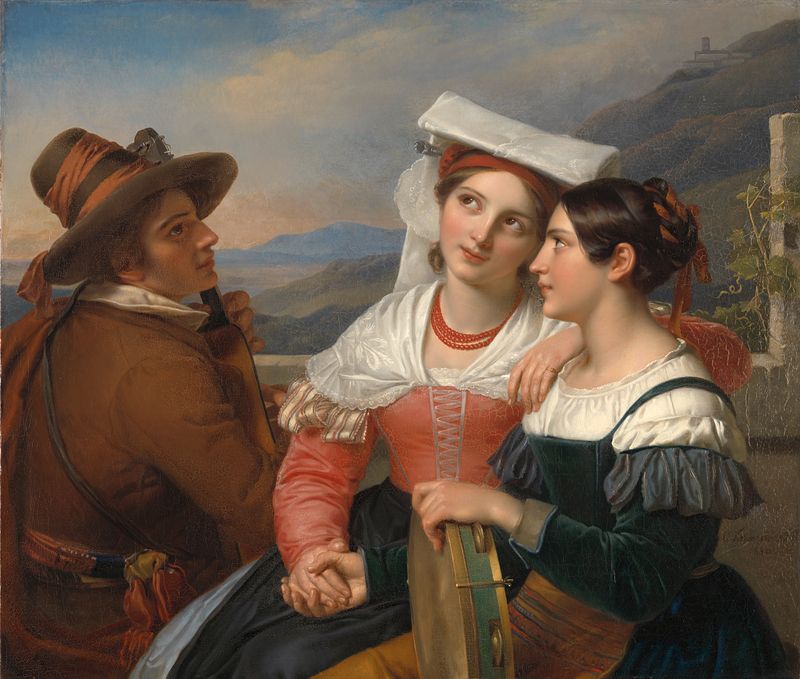
Of One Heart
Cornelis Kruseman
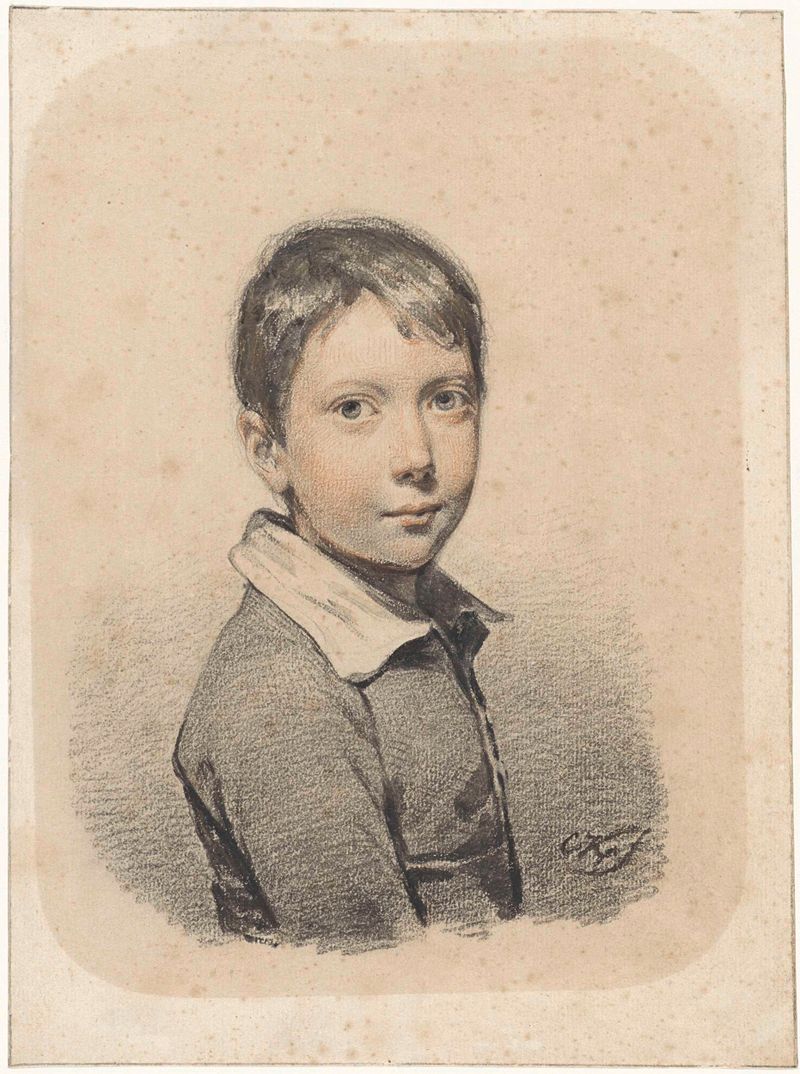
Portret van Gerardus Arnoldus Nicolaus Allebé als jongeman
Cornelis Kruseman
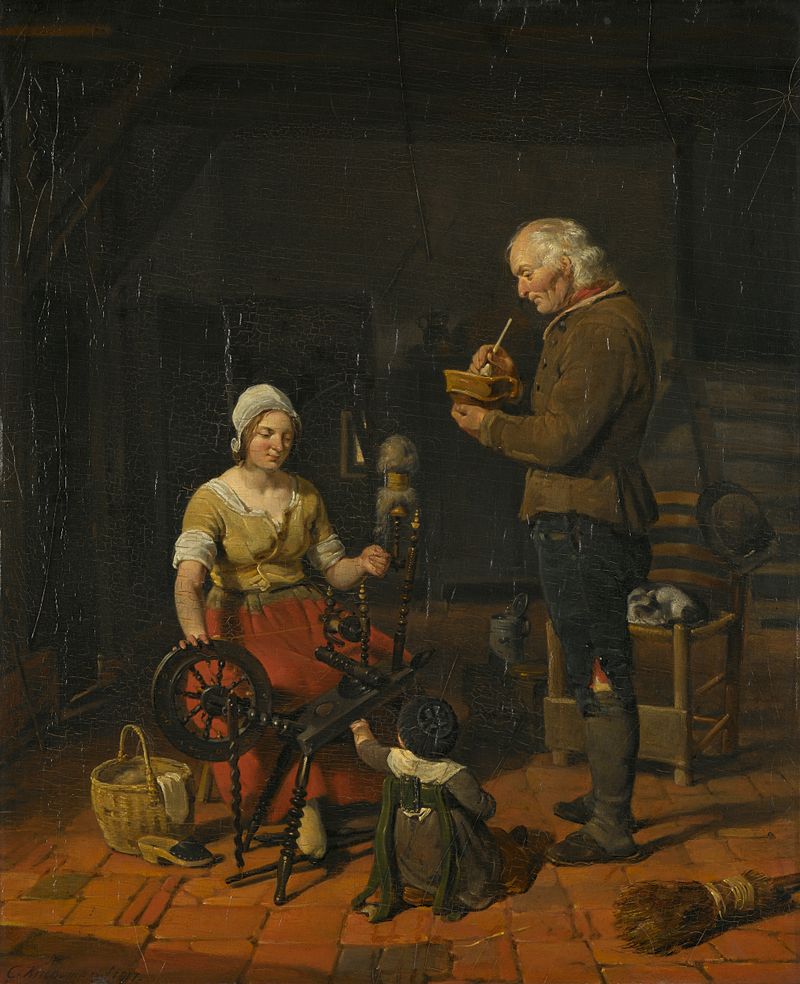
Peasant Family in their Cottage
Cornelis Kruseman
More Portrait Art
Browse all →
Las meninas
Diego Velázquez

Self-portrait with a Bandaged Ear and Pipe
Unidentified artist

Girl with a Pearl Earring
Johannes Vermeer

The Sampling Officials of the Amsterdam Drapers’ Guild, Known as ‘The Syndics’
Rembrandt van Rijn

The Hundred Guilder Print: the man seen on the back in the lower left corner
Rembrandt van Rijn

Portrait of Dr Gachet
Vincent van Gogh