Panel — History & Facts
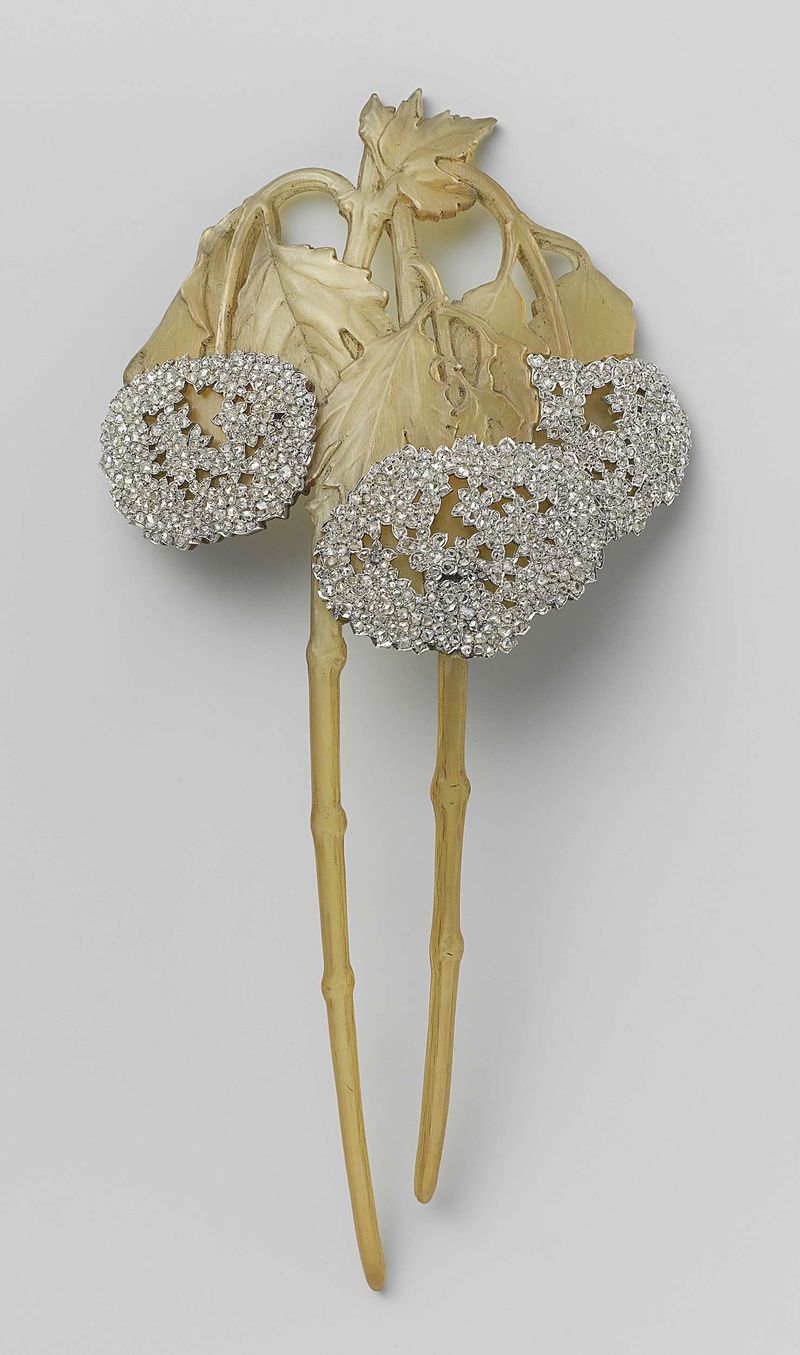
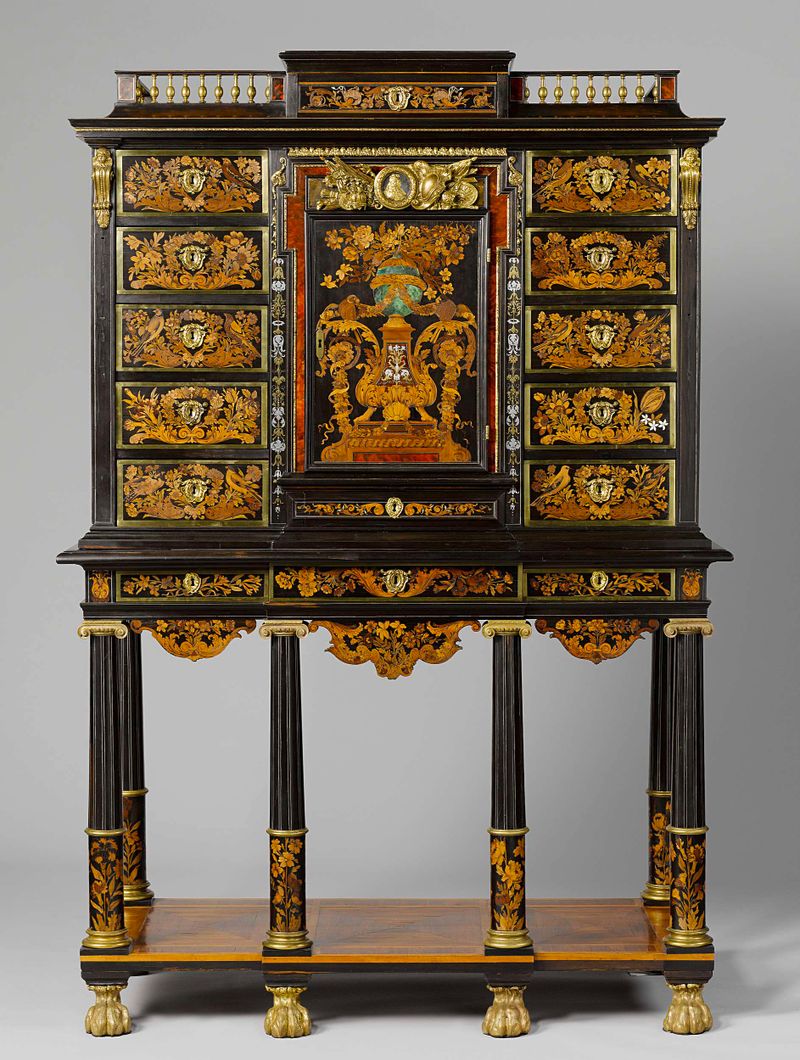
Can beauty exist without sorrow? In the delicate artistry of the Qing dynasty, profound melancholy whispers through every stroke, inviting contemplation of transience and loss. Look closely at the intricate patterns adorning the surface. Notice how the muted colors harmonize with the soft, elegant forms — an interplay of light and shadow that beckons the viewer deeper into its embrace. The meticulous craftsmanship is evident, drawing the eye across the subtle variations in texture, where smoothness meets the roughness of nature.
Each detail, from the graceful curves to the serene motifs, speaks of a world that balances fragility and strength. In this work, the juxtaposition of vibrant life and inevitable decay is palpable. The gentle curves may evoke the beauty of a fleeting moment, yet the underlying tones hint at deeper sorrows, perhaps reflecting the artist’s contemplation of mortality and the passage of time. The viewer senses a poignant silence, a pause that captures the weight of memories and unfulfilled longing, resonating with universal human experiences of love and loss. Created between 1875 and 1900, this piece reflects a period in which the artist, part of the rich Han-Chinese tradition, navigated both personal and societal changes.
As the Qing dynasty faced pressures from modernization and foreign influence, the artwork serves as a subtle commentary on the delicate balance between tradition and change, allowing viewers to connect with the deeper emotional currents of history portrayed through exquisite craftsmanship.