
Portrait of a Gentleman — History & Facts
In the stillness of a painted moment, a gaze ensnares our attention, promising stories untold and emotions unbridled. This portrait whispers of a time when identity was cloaked in formality and each brushstroke carried the weight of an individual’s essence. Look to the center where the gentleman stands, resplendent in his finely tailored attire. The meticulous folds of his coat are drenched in deep, rich hues that contrast beautifully with the softer tones of his collar.
Notice how the light cascades softly across his face, highlighting the subtle contours and lending an air of sophistication. Each detail invites us to explore the textures—his powdered hair glimmers with a silken sheen, while the delicate shadows dance around his features, enhancing the depth of his expression. Behind this poised figure lies a complex interplay of status and vulnerability. His slightly tilted head and narrowed gaze seem to suggest a man caught between personal ambition and societal expectation.
The gentle warmth in his smile juxtaposes with the rigid lines of his clothing, reflecting the tension of a man both seen and unseen, commanding respect while yearning for connection. This duality evokes awe, allowing us to question what lies beneath the surface of such composed exterior. In the late 18th century, Hennet painted this work during a period of social transformation in Europe, where neoclassicism merged with emerging romantic ideals. Operating amid a flourishing art scene, he sought to capture not only the likeness of his subjects but also the essence of their character and the zeitgeist of his time.
This blend of ambition and artistry marked a significant moment in his career, solidifying his reputation as a master of portraiture.
More Portrait Art
Browse all →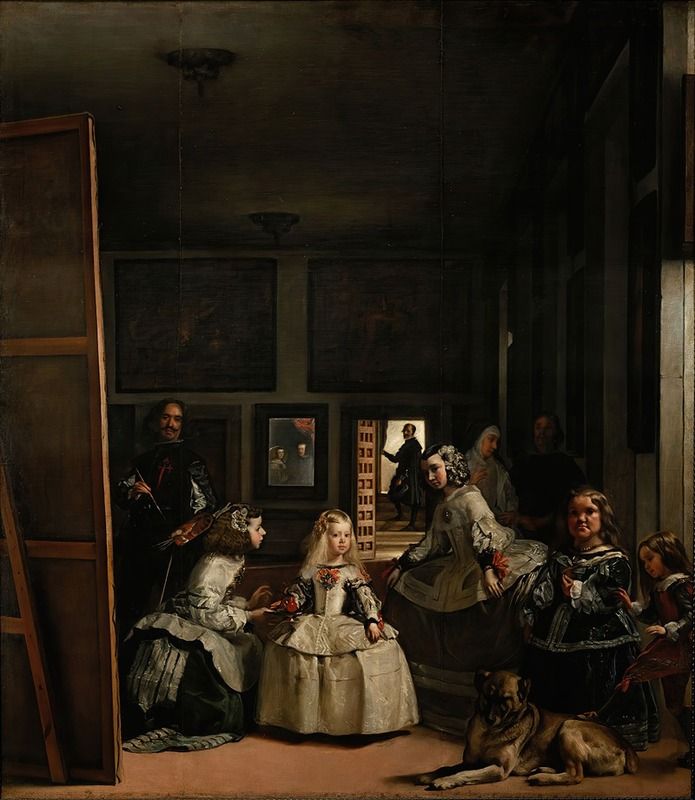
Las meninas
Diego Velázquez

Self-portrait with a Bandaged Ear and Pipe
Unidentified artist
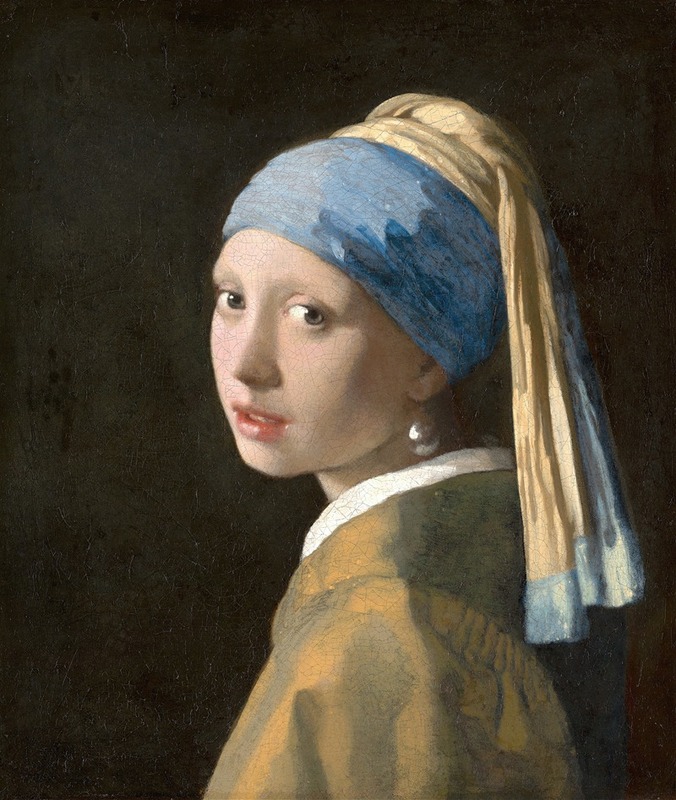
Girl with a Pearl Earring
Johannes Vermeer

The Sampling Officials of the Amsterdam Drapers’ Guild, Known as ‘The Syndics’
Rembrandt van Rijn

The Hundred Guilder Print: the man seen on the back in the lower left corner
Rembrandt van Rijn

Portrait of Dr Gachet
Vincent van Gogh