
Portrait of a Girl — History & Facts
Can beauty exist without sorrow? In Portrait of a Girl, the delicate features of the young subject whisper tales of both innocence and a weighty, unspoken burden. Her gaze, both captivating and reflective, draws you into a world where the allure of youth meets the complexity of unfulfilled potential. Focus first on the girl’s expressive eyes, which seem to harbor secrets far beyond her years. Notice how the soft, natural light envelops her face, casting gentle shadows that enhance the contours of her cheeks and the curve of her lips.
The choice of muted color palettes — soft blues and pale pinks — creates an atmosphere of quiet elegance, while the exquisite detailing in her dress contrasts with a backdrop that fades into ambiguity, emphasizing her figure as a focal point. Yet, it’s the intricate details that reveal deeper layers of emotional tension. The slight furrow in her brow suggests a moment of contemplation or fear, hinting at the burdensome expectations placed upon her. The delicacy of her features may evoke admiration, but they also elicit empathy, calling into question the price of beauty and the obsession it inspires, both in the beholder and the subject herself. William Henry Furness, Jr.
painted this work around 1853-1854 during a time of personal introspection and societal change in America. Emerging from the romantic tradition, he sought to explore themes of identity and emotion, reflecting the growing interest in psychological depth within portraiture. This period marked a significant moment in art, as artists began to embrace realism, moving away from idealized forms toward a more authentic portrayal of human experience.
More Artworks by William Henry Furness, Jr.
Browse all →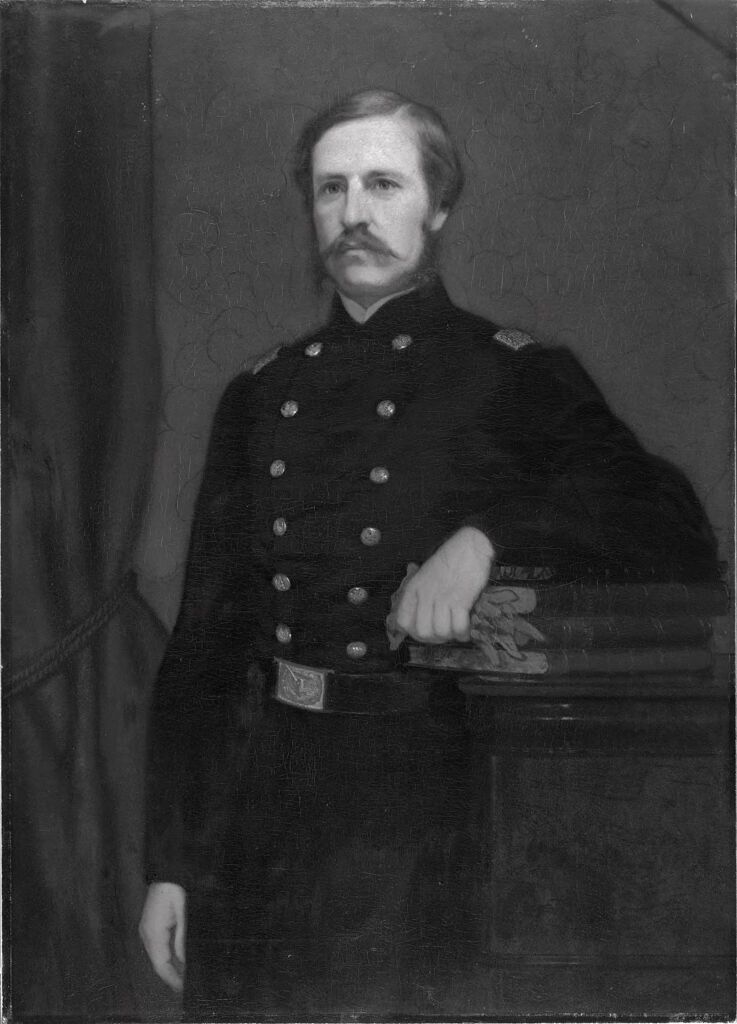
More Portrait Art
Browse all →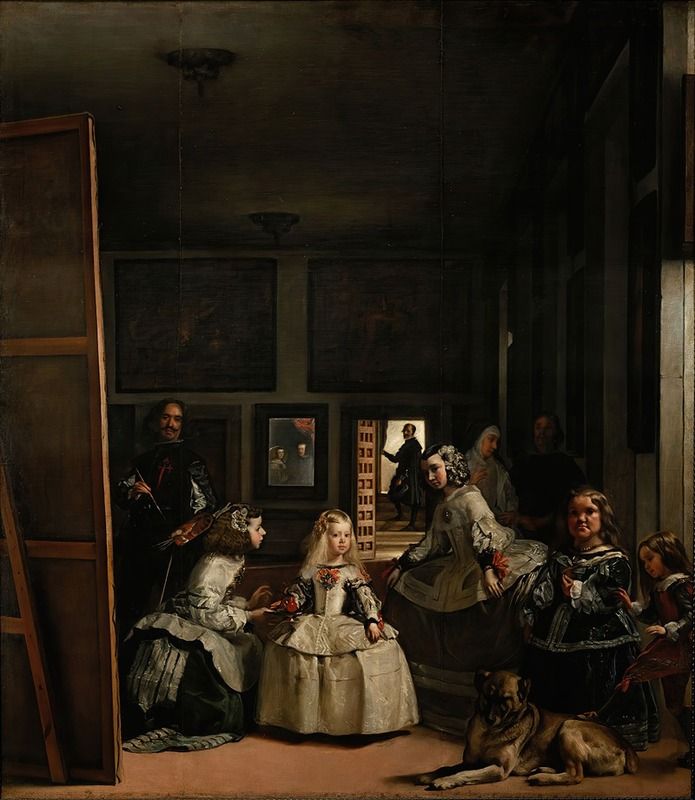
Las meninas
Diego Velázquez

Self-portrait with a Bandaged Ear and Pipe
Unidentified artist
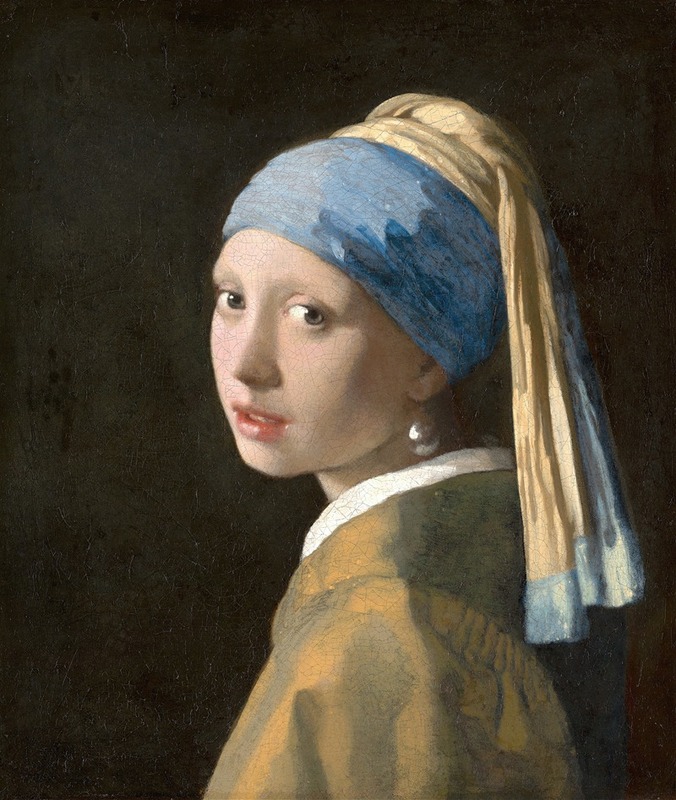
Girl with a Pearl Earring
Johannes Vermeer

The Sampling Officials of the Amsterdam Drapers’ Guild, Known as ‘The Syndics’
Rembrandt van Rijn

The Hundred Guilder Print: the man seen on the back in the lower left corner
Rembrandt van Rijn

Portrait of Dr Gachet
Vincent van Gogh