
Portrait of a Grand Master of the Knights of Malta, Martin de Redin — History & Facts
Did the painter know this moment would outlive them? In Portrait of a Grand Master of the Knights of Malta, the weight of time rests heavily on the canvas, capturing the essence of a man who commands both reverence and reflection. Focus on the grand master's face, where every line narrates a story of leadership and burden. Notice how the intense gaze meets the viewer's eyes, exuding authority yet hinting at an underlying grief. The rich colors of the robe, deep crimson and gold, juxtapose against the somber backdrop, creating a vivid contrast that draws you into the solemnity of his role.
The brushwork employs delicate strokes that animate the fabric, making it seem to flutter in the stillness of the moment. Beneath this powerful exterior, the portrait speaks of sacrifice and loss. The intertwining symbols of knighthood and service serve as reminders of the struggles faced by the Order during tumultuous times. The subtle shadows cast upon his face suggest an inner turmoil, a reflection of the burdens borne by those who lead under the weight of expectations.
Each detail, from the insignia to the folds of his attire, resonates with the tension of duty and the inevitability of mortality. Mattia Preti created this work around 1660 while living in Malta, where he found inspiration in the rich cultural tapestry of the Knights of St. John. This period marked a significant evolution in his style, shifting toward a more dramatic use of light and shadow.
Preti's life was punctuated by the complexities of the Baroque movement, as he sought to convey not just the grandeur of his subjects, but also the poignant truths that lie within their souls.
More Portrait Art
Browse all →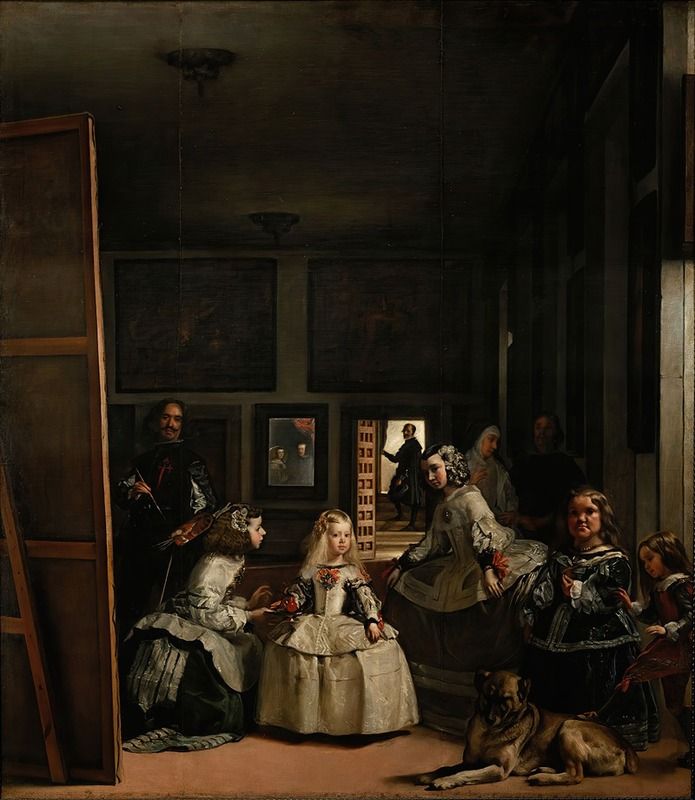
Las meninas
Diego Velázquez
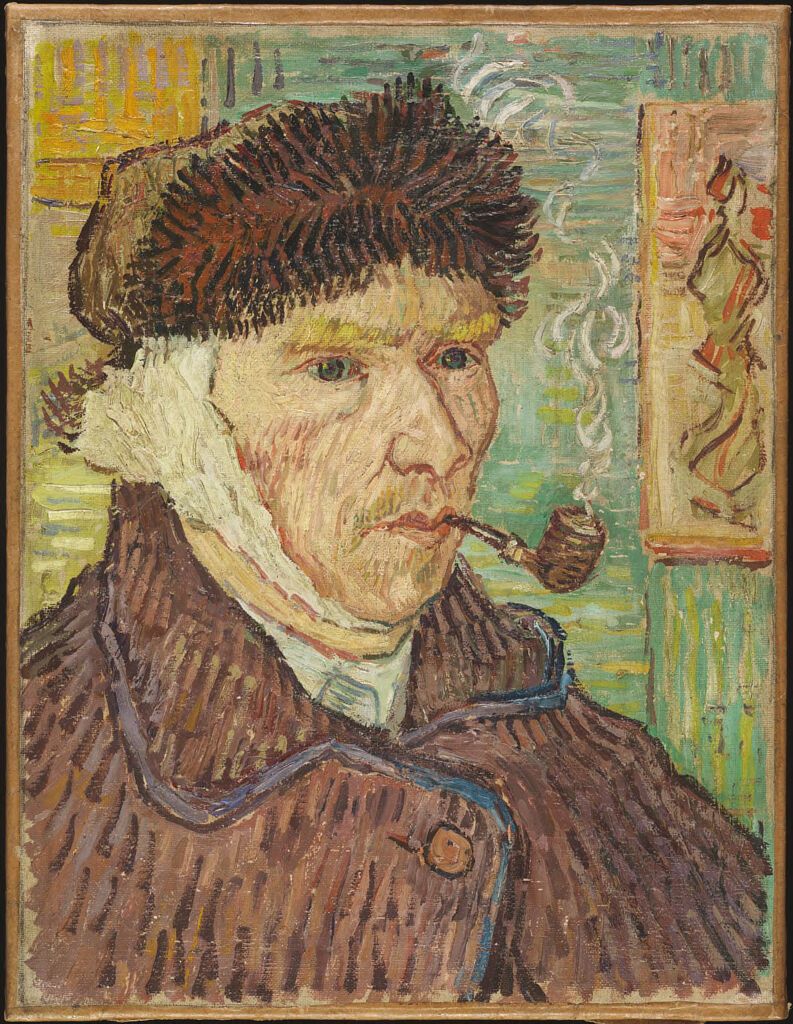
Self-portrait with a Bandaged Ear and Pipe
Unidentified artist
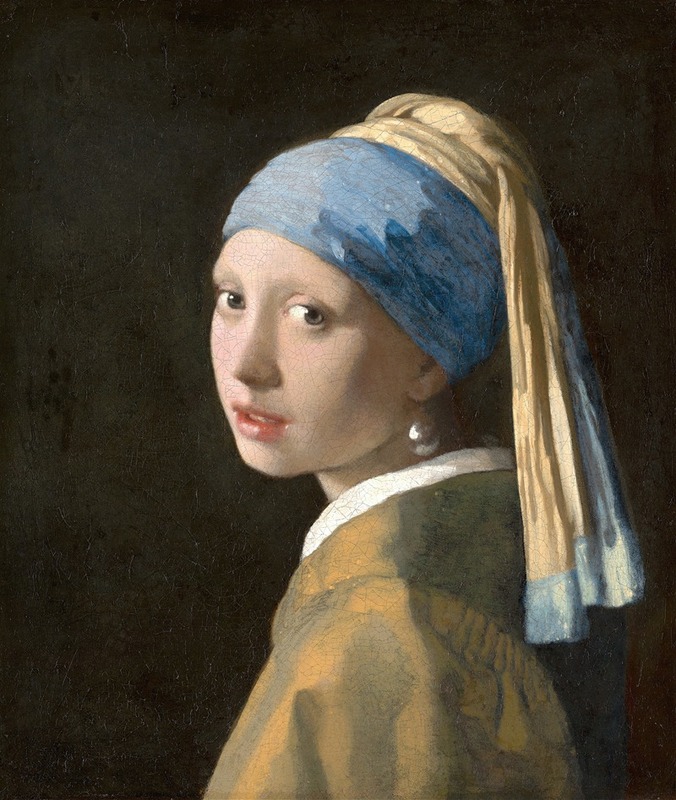
Girl with a Pearl Earring
Johannes Vermeer
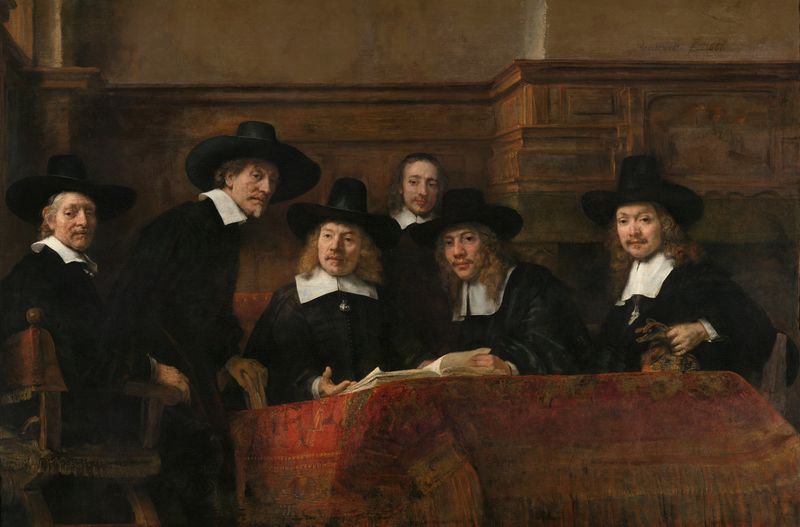
The Sampling Officials of the Amsterdam Drapers’ Guild, Known as ‘The Syndics’
Rembrandt van Rijn
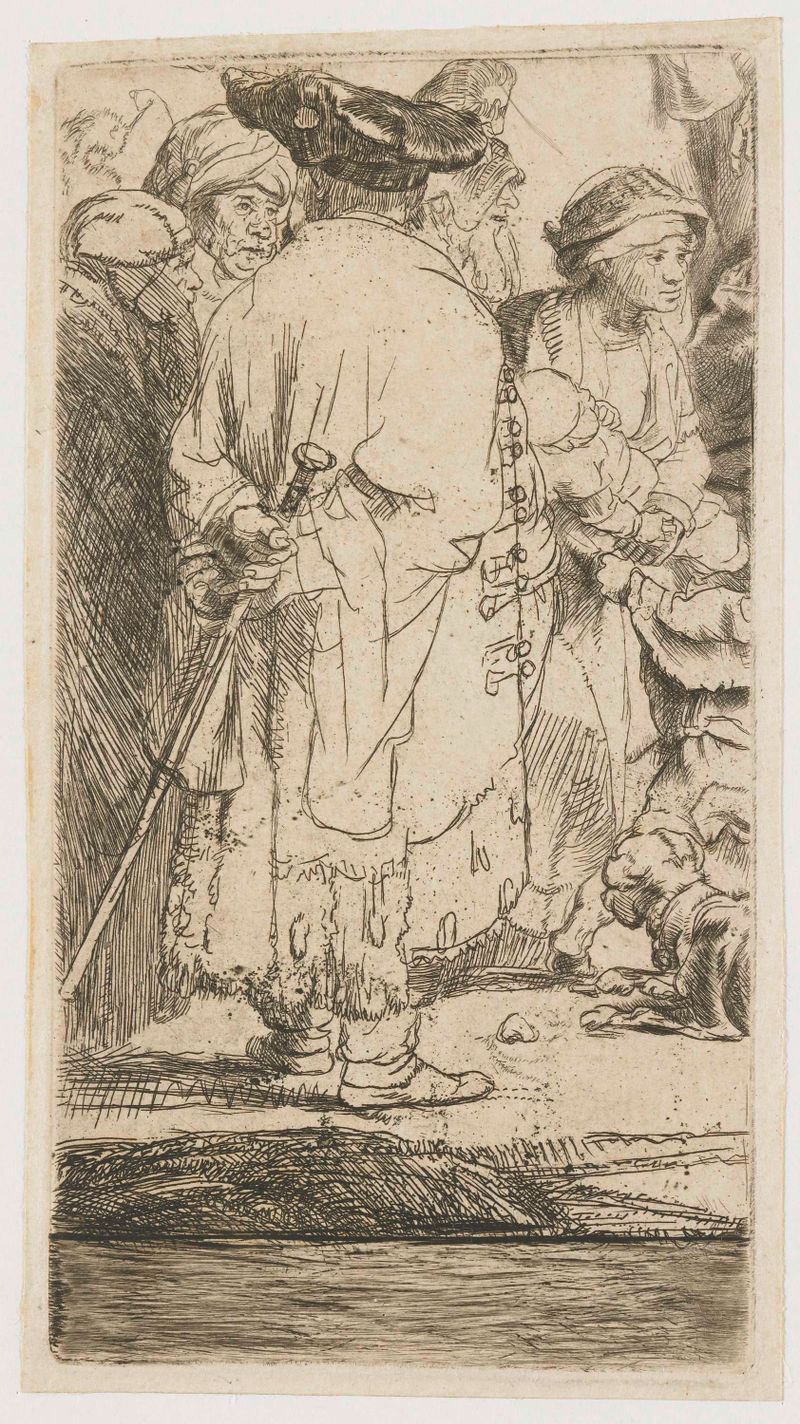
The Hundred Guilder Print: the man seen on the back in the lower left corner
Rembrandt van Rijn

Portrait of Dr Gachet
Vincent van Gogh