
Portrait of a Man, probably Sir George Downing (1624-1684), after Thomas Smith (d. 1691) — History & Facts
In the delicate brushstrokes and muted hues of this portrait, one can sense the fragility of identity and presence. The captured essence of a man, possibly Sir George Downing, whispers tales of time and memory, inviting the viewer into an intimate dialogue with the past. Look to the left at the subtle interplay of light and shadow that frames the subject's face, accentuating the gentle contours of his expression. Notice how the artist's careful layering of ochre and umber creates a warmth that softens the figure, imparting an almost ethereal quality.
The backdrop fades into an indistinct darkness, drawing focus to the man’s contemplative gaze, while the rich texture of the fabric he wears suggests a nobility grounded in both elegance and vulnerability. Beneath the surface, this piece echoes the tension between authority and fragility. The subject, adorned in finery that speaks of status, is simultaneously rendered vulnerable through the softness of his eyes. This contrast reflects a deeper human experience—a reminder that even those in power are bound by their own uncertainties and emotions.
Each brushstroke carries the weight of history, hinting at the complexities that define the human condition. Created in 1872, this work by Robert M. Pratt emerged during a period marked by a revival of interest in portraiture and historical figures. As the art world shifted towards a more realistic representation, Pratt aimed to evoke a sense of intimacy and connection with his subject.
The late 19th century was a transformative time, with artists increasingly exploring the psychological depth of their subjects, and this portrait stands as a testament to that evolving narrative.
More Portrait Art
Browse all →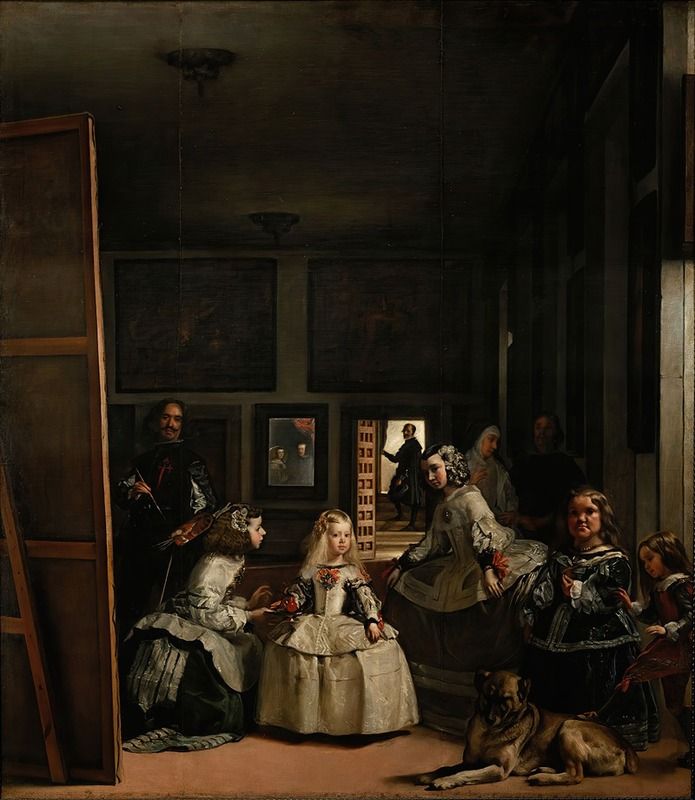
Las meninas
Diego Velázquez

Self-portrait with a Bandaged Ear and Pipe
Unidentified artist
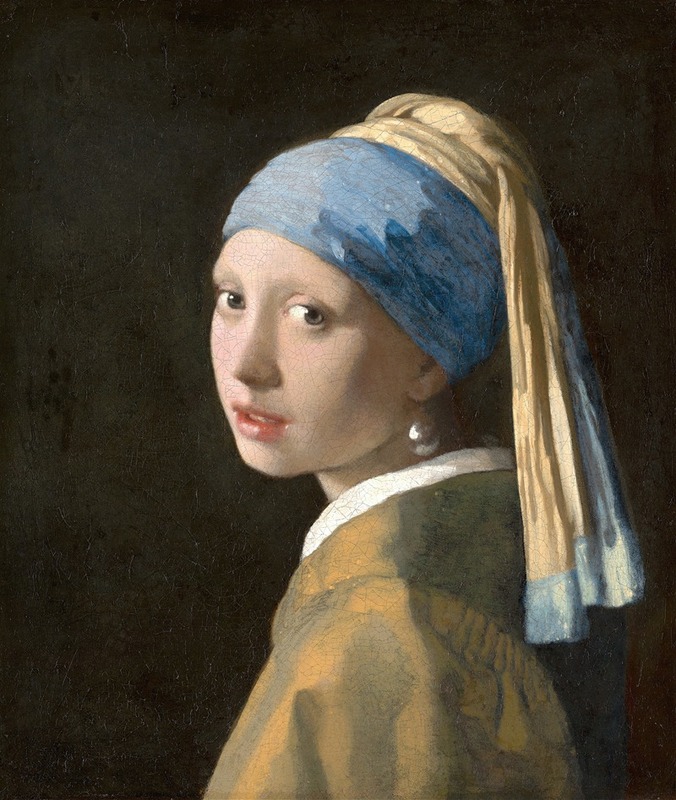
Girl with a Pearl Earring
Johannes Vermeer

The Sampling Officials of the Amsterdam Drapers’ Guild, Known as ‘The Syndics’
Rembrandt van Rijn

The Hundred Guilder Print: the man seen on the back in the lower left corner
Rembrandt van Rijn

Portrait of Dr Gachet
Vincent van Gogh