
Portrait of a Young Man — History & Facts
In the stillness of a gaze, the unspoken truths of humanity linger, revealing a tension that cuts deeper than any visible wound. A portrait can be a battleground where the weight of violence, both internal and external, plays out in the eyes of its subject. Look closely at the young man's intense gaze, framed by soft, muted colors that hint at vulnerability. Notice how the brushwork around his eyes draws you in, creating an intimate connection that is almost unsettling.
The shadows dance across his cheekbones, suggesting both youth and the burdens that come with it. The background blurs into a gentle gradient, emphasizing the figure’s isolation, while the hints of delicate detail in his clothing signal a world of sophistication that belies an underlying fragility. This tension between innocence and the threat of violence is palpable; it whispers of a life lived on edge. The juxtaposition of his calm demeanor and the rough strokes around his collar suggests an inner turmoil, perhaps a reflection of societal unrest during the 19th century.
The young man stands not just as an individual but as a symbol of the many who bore the scars of a tumultuous era, hinting at the stories etched into each feature of his face. Andrew Robertson created this striking work in a time when the art world was shifting, responding to romanticism and emerging realism. Painted in the early 19th century, he found himself navigating between tradition and modernity, exploring the complexities of identity and emotional depth amidst an evolving cultural landscape. In this period, the surge of industrialization and social change inspired artists to portray not just beauty, but the raw, often violent truths of human existence.
More Portrait Art
Browse all →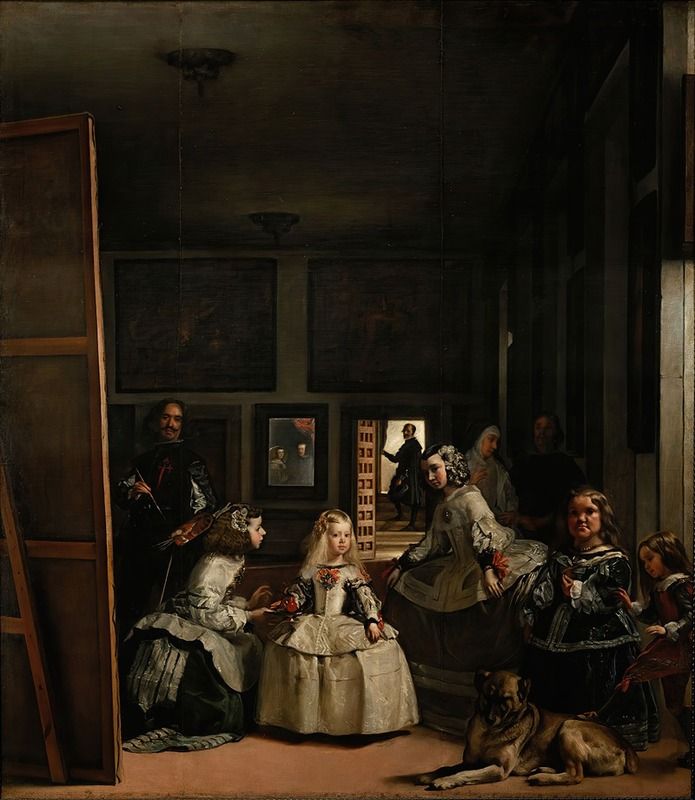
Las meninas
Diego Velázquez
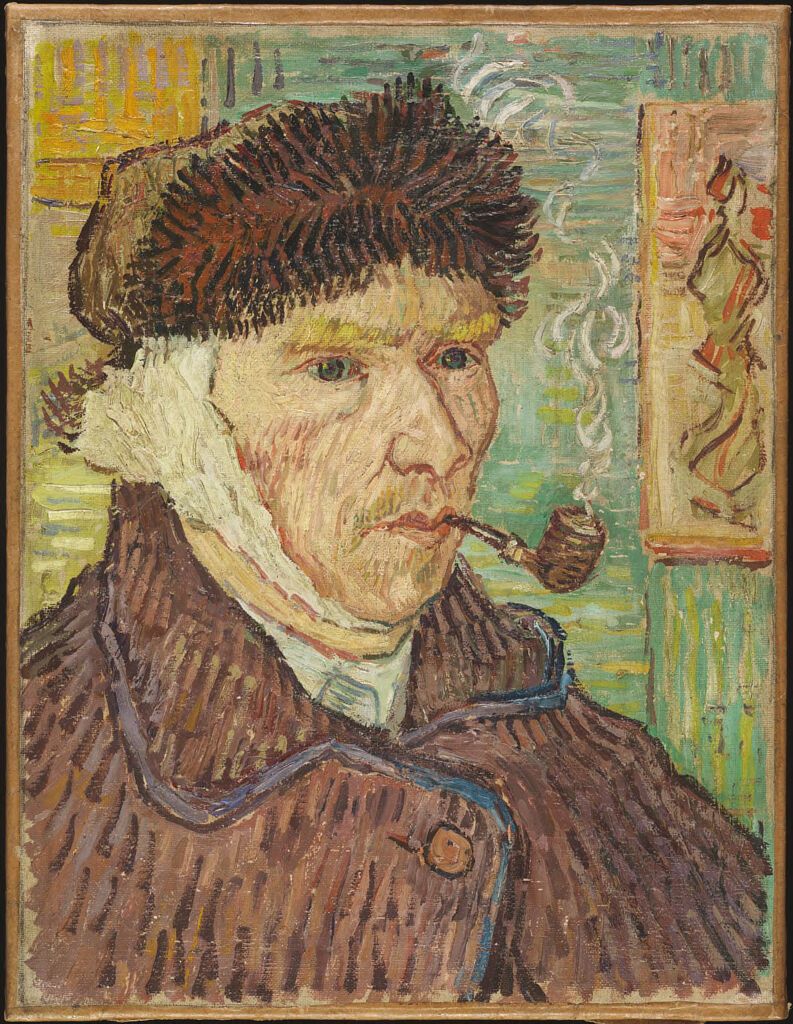
Self-portrait with a Bandaged Ear and Pipe
Unidentified artist
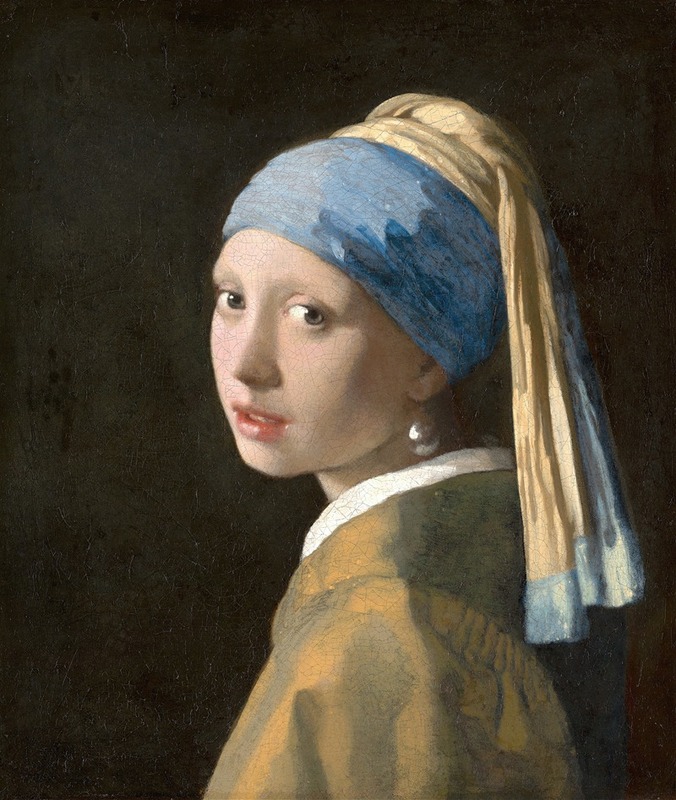
Girl with a Pearl Earring
Johannes Vermeer

The Sampling Officials of the Amsterdam Drapers’ Guild, Known as ‘The Syndics’
Rembrandt van Rijn

The Hundred Guilder Print: the man seen on the back in the lower left corner
Rembrandt van Rijn

Portrait of Dr Gachet
Vincent van Gogh