
Portrait of an English Lady — History & Facts
This sentiment resonates deeply within the confines of the canvas, where innocence and artifice intertwine to reveal the complexities of identity. Focus on the striking gaze of the lady, which draws you in immediately. Her eyes, both inviting and distant, seem to tell stories of unspoken thoughts. Notice how the intricate details of her attire shimmer—rich golden threads that accentuate her delicate features.
The background, a muted blend of soft blues and silvers, enhances her presence, creating an ethereal halo that encapsulates her within a moment frozen in time. Yet, beneath the surface, the contrast of her youthful poise and the weight of her adornments suggests a tension between freedom and expectation. The opulence of her jewels contrasts sharply with the subtle hint of frailty in her expression. It’s as if Hilliard captures not just a likeness but the very essence of her inner turmoil, inviting viewers to ponder the sacrifices made in the pursuit of societal ideals of beauty and virtue. Hilliard painted this work in 1605 during a time when portraiture was a powerful means of social commentary and personal expression in England.
As a prominent miniaturist, he was navigating the complexities of the Tudor court, where the interplay of power and appearance was paramount. In this period, the artist deftly blended meticulous technique with emotional depth, solidifying his place in the annals of art history.
More Portrait Art
Browse all →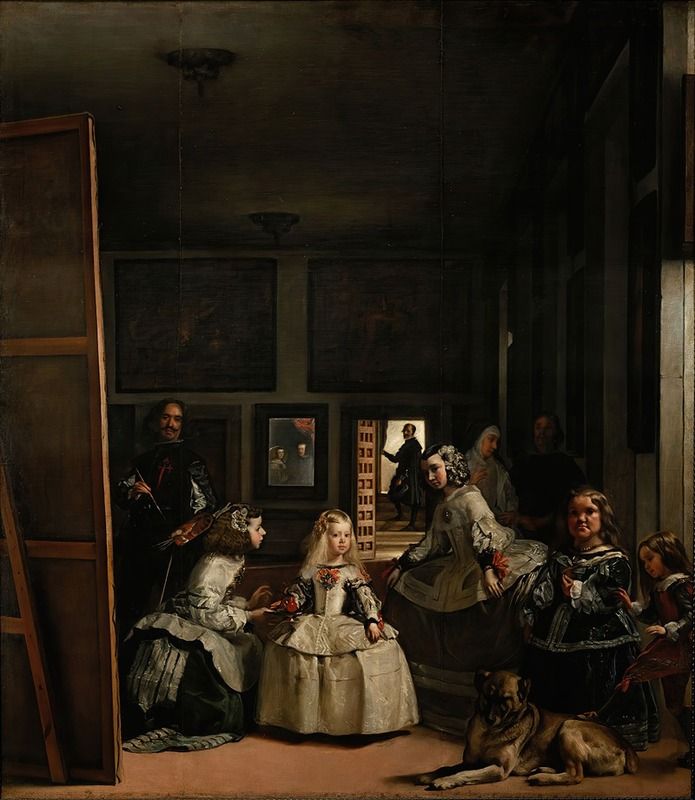
Las meninas
Diego Velázquez

Self-portrait with a Bandaged Ear and Pipe
Unidentified artist
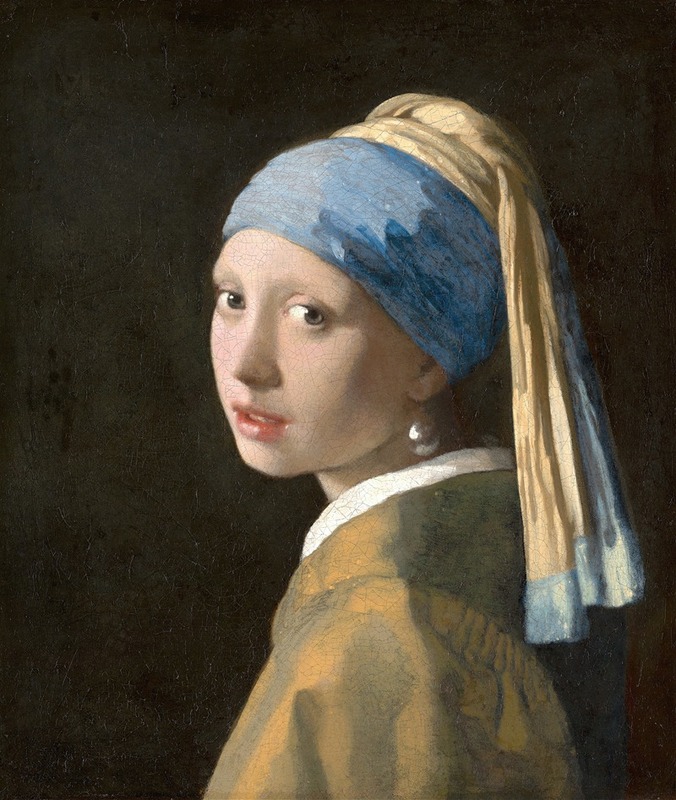
Girl with a Pearl Earring
Johannes Vermeer

The Sampling Officials of the Amsterdam Drapers’ Guild, Known as ‘The Syndics’
Rembrandt van Rijn

The Hundred Guilder Print: the man seen on the back in the lower left corner
Rembrandt van Rijn

Portrait of Dr Gachet
Vincent van Gogh