
Portrait of an Officer — History & Facts
Did the painter know this moment would outlive them? In capturing the essence of a solitary officer, Portrait of an Officer echoes the silent gravitas of destiny, inviting viewers to ponder the weight of time and legacy. Focus on the officer's stern yet contemplative expression, anchored by the carefully rendered details of his uniform. Notice how the rich, muted colors create a sense of depth, while the soft light caresses the folds of the fabric, emphasizing the meticulous brushwork. The background fades into shadows, directing your gaze to the figure at the forefront, a testament to the artist's skill in creating focus through composition. Beyond the surface, the painting reveals an interplay of authority and vulnerability.
The officer's gaze, direct yet introspective, hints at the burdens of leadership and the unresolved questions of fate that lie ahead. The stillness of the scene contrasts sharply with the dynamic world outside the frame, suggesting a life filled with anticipation and uncertainty. Each brushstroke carries the weight of unspoken narratives, inviting speculation on the officer’s future. In the late 18th century, Thomas Day was immersed in the vibrant artistic community of England, where neoclassicism was gaining prominence.
He created this work around 1795, a time marked by political upheaval and the dawn of the Romantic era. As artists began to explore individualism and emotion, Day's portrayal reflects both personal and societal themes, capturing a singular moment that resonates through history.
More Portrait Art
Browse all →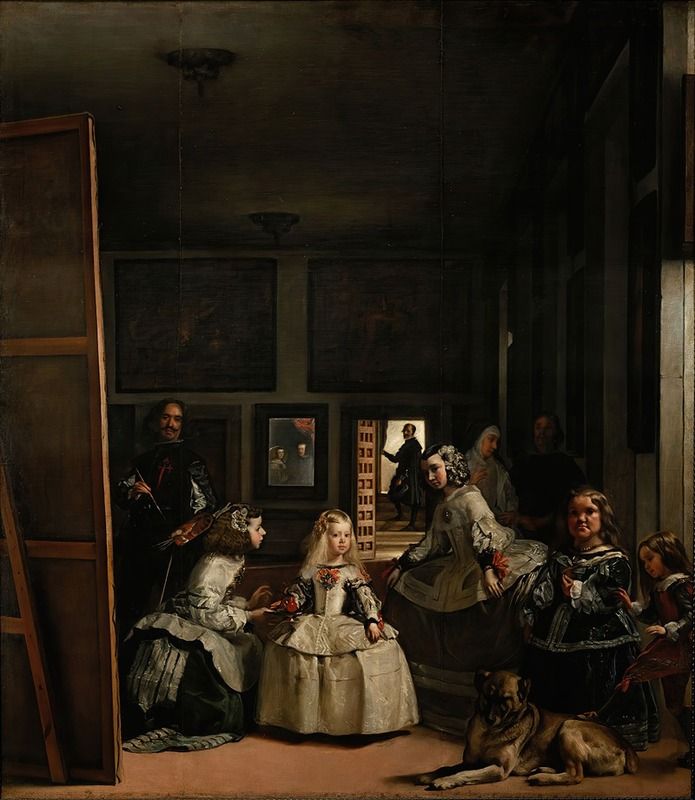
Las meninas
Diego Velázquez
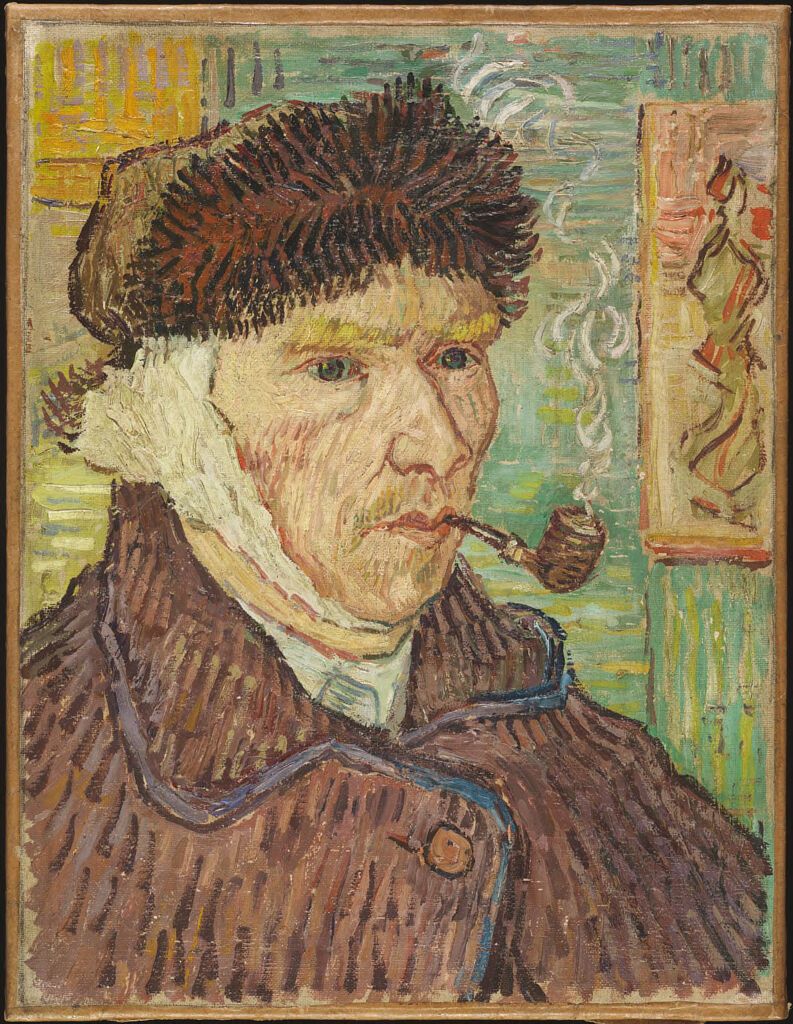
Self-portrait with a Bandaged Ear and Pipe
Unidentified artist
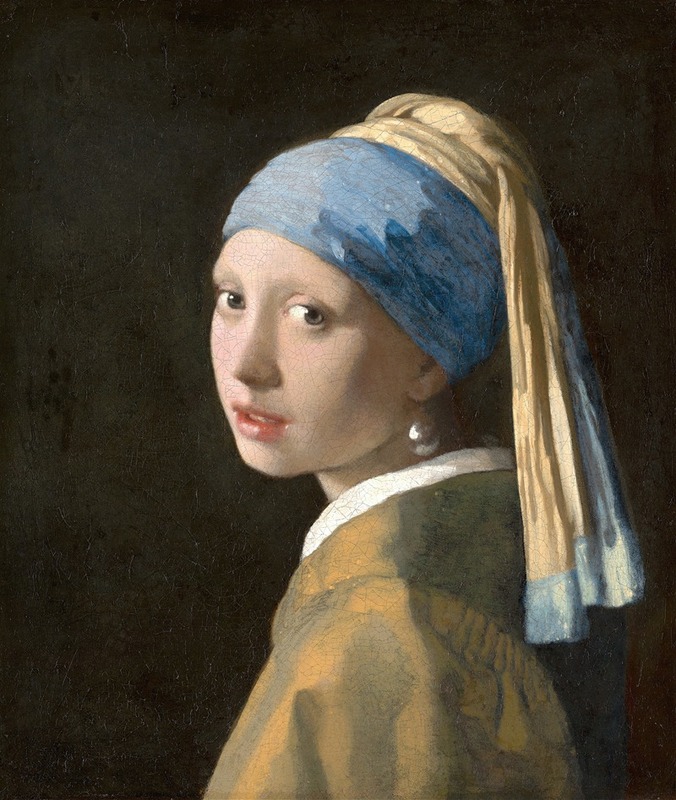
Girl with a Pearl Earring
Johannes Vermeer
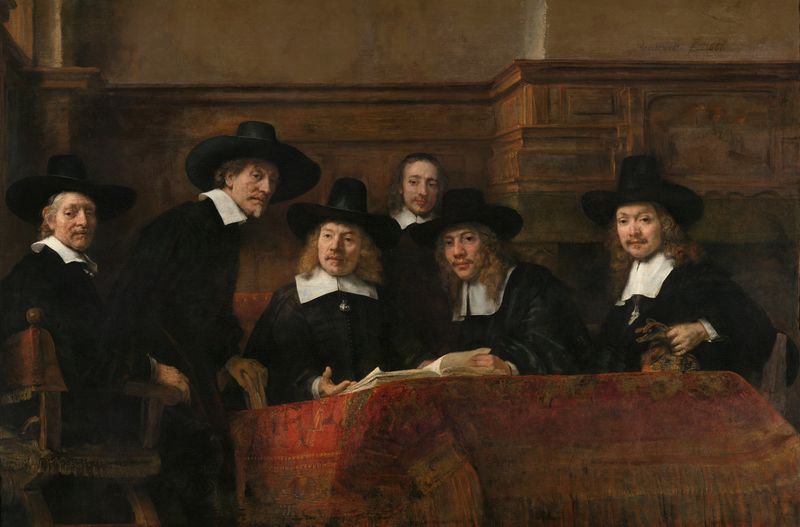
The Sampling Officials of the Amsterdam Drapers’ Guild, Known as ‘The Syndics’
Rembrandt van Rijn
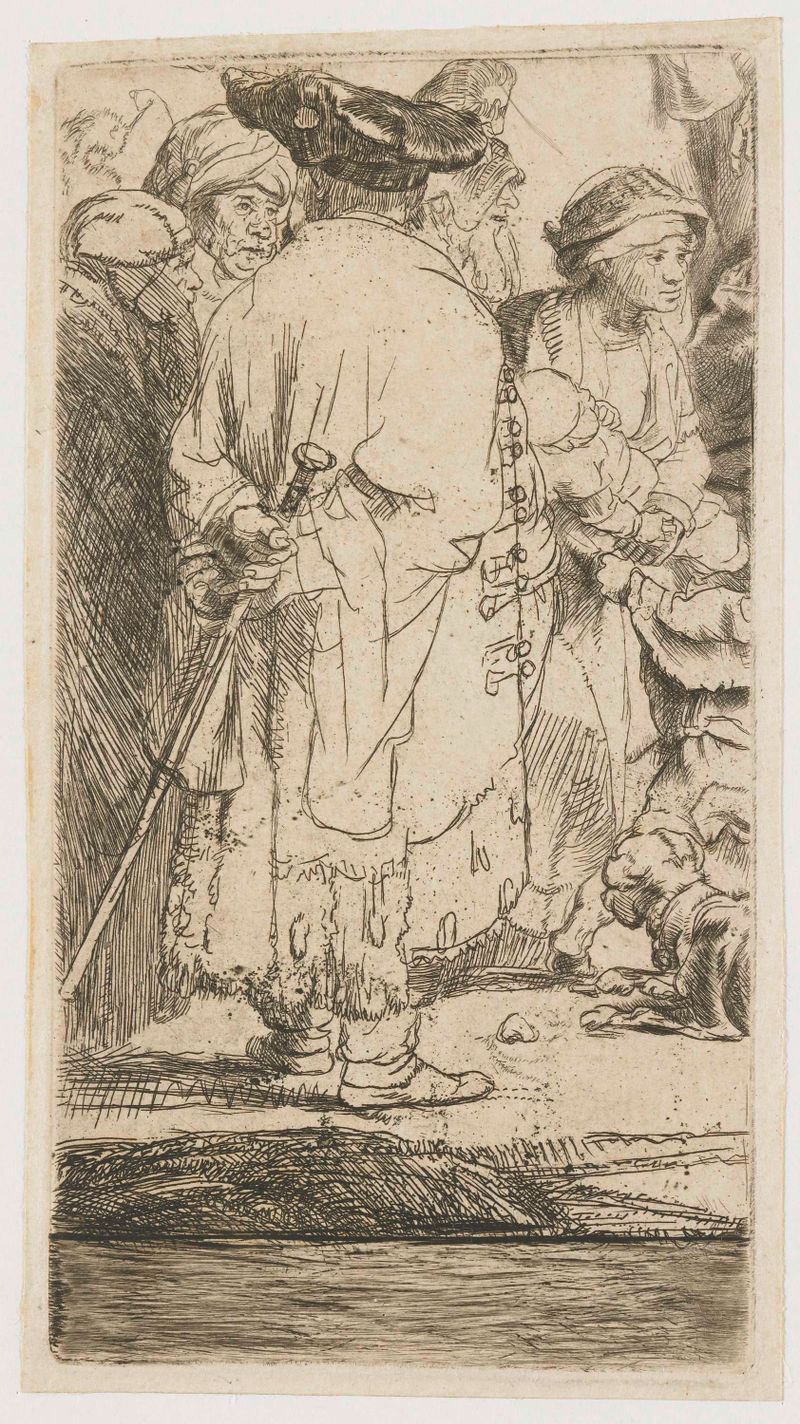
The Hundred Guilder Print: the man seen on the back in the lower left corner
Rembrandt van Rijn

Portrait of Dr Gachet
Vincent van Gogh