
Portrait of Anna van Hannover (1709-59). Wife of Prince Willem IV — History & Facts
When did color learn to lie? In the stillness of the canvas, where beauty and madness intertwine, one can almost hear the whispers of hidden truths. Focus on the delicate features of Anna van Hannover, poised gracefully against a backdrop of muted elegance. The artist’s brush captures the glimmer of her silk gown, the soft light cascading over folds that seem to echo her inner turmoil. Notice how the warm hues of ochre and rose illuminate her complexion, juxtaposing the darkness in her eyes—a depth that hints at secrets and sorrow.
The subtle play of shadow and light creates a tension that is impossible to ignore, inviting the viewer to explore the complexities of her character. Hidden within the meticulous details are contrasts that reveal deeper emotional currents. The serene exterior of her expression belies an undercurrent of unease, suggesting the weight of expectation that accompanies her royal status. The ornamental frame envelops her, yet there is a distinct sense of isolation, as if the colors themselves conspire to conceal her true self.
This painted moment encapsulates not just a likeness, but a profound psychological portrait, where the vibrancy of life mingles with the specter of madness. Philip van Dijk created this work around 1745, during a time when portraiture was a powerful tool used to convey status and identity among the aristocracy. Living in the Netherlands, he was deeply influenced by the Baroque style and the burgeoning Rococo movement, which celebrated both beauty and theatricality. The artist's own life mirrored the complexities of his subjects, navigating the tensions between personal ambition and societal expectations as he portrayed the nuances of human emotion on canvas.
More Portrait Art
Browse all →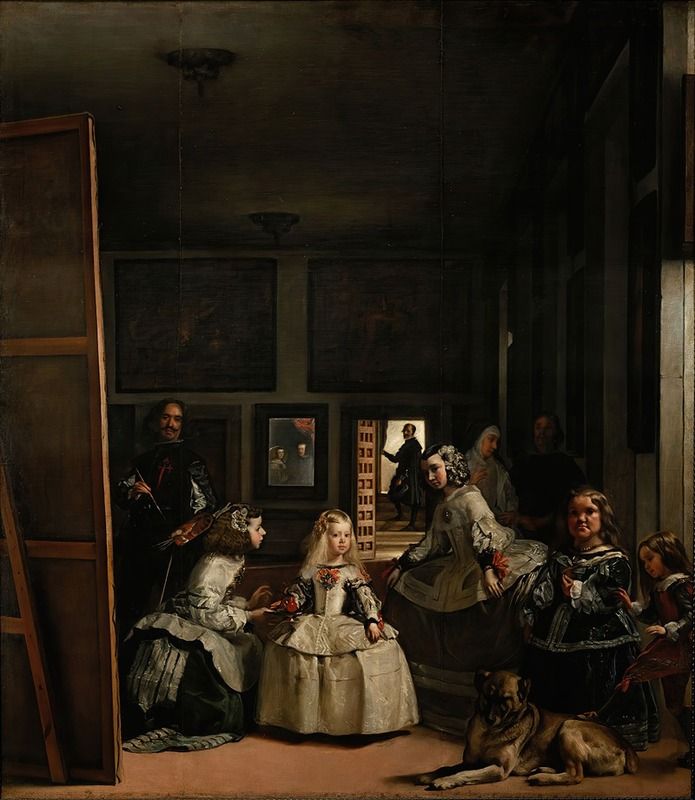
Las meninas
Diego Velázquez

Self-portrait with a Bandaged Ear and Pipe
Unidentified artist
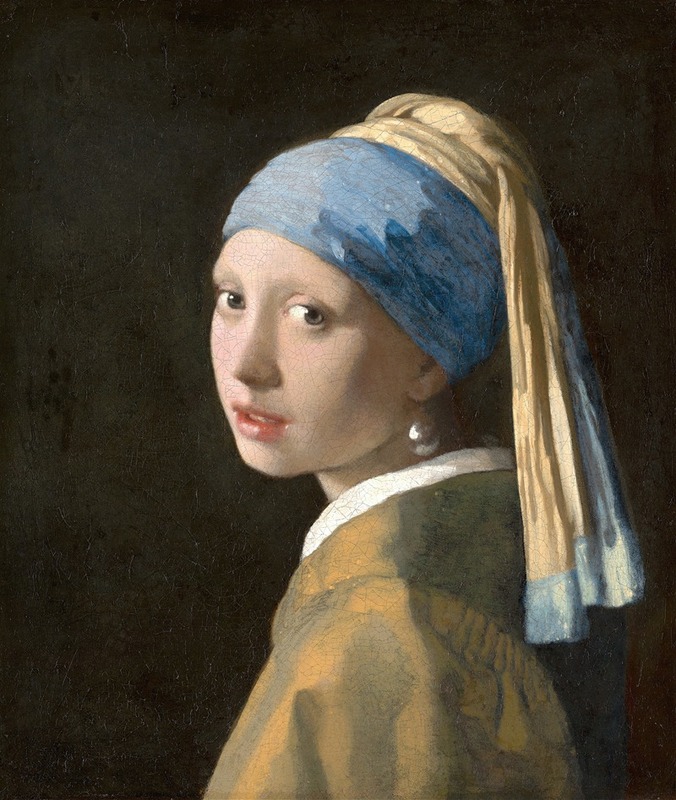
Girl with a Pearl Earring
Johannes Vermeer

The Sampling Officials of the Amsterdam Drapers’ Guild, Known as ‘The Syndics’
Rembrandt van Rijn

The Hundred Guilder Print: the man seen on the back in the lower left corner
Rembrandt van Rijn

Portrait of Dr Gachet
Vincent van Gogh