
Portrait of Captain John James — History & Facts
In every brushstroke lies a whisper of legacy; an invitation to uncover the layers beneath the surface. Focus on the figure at the center, where the gaze of Captain John James commands attention. The artist employs a muted palette that emphasizes the solemnity of the captain’s character, while delicate highlights illuminate the contours of his face, revealing both strength and vulnerability. Look closely at the intricate details of the captain’s uniform—the intricate embroidery and texture suggest a life of service, while the deep shadows in the background provide a stark contrast, enhancing his presence. Here, the tension between honor and the weight of responsibility pulses through the canvas.
The captain's steadfast expression tells a story of sacrifice, resonating with those who view it. Subtle hints of color in his eyes suggest a turbulent past, evoking empathy from the observer. The interplay of light and shadow not only frames his figure but also signifies the duality of a life lived in service and the personal burdens that accompany it. Frederick Buck painted this portrait around 1800, a time when naval power and exploration were at the forefront of national pride in Britain.
Having honed his craft in the vibrant artistic circles of London, Buck aimed to immortalize figures of significance amidst a shifting world. This period marked a growing fascination with portraiture as a medium of legacy, capturing not just the likeness of individuals but also their contributions to society.
More Artworks by Frederick Buck
Browse all →
More Portrait Art
Browse all →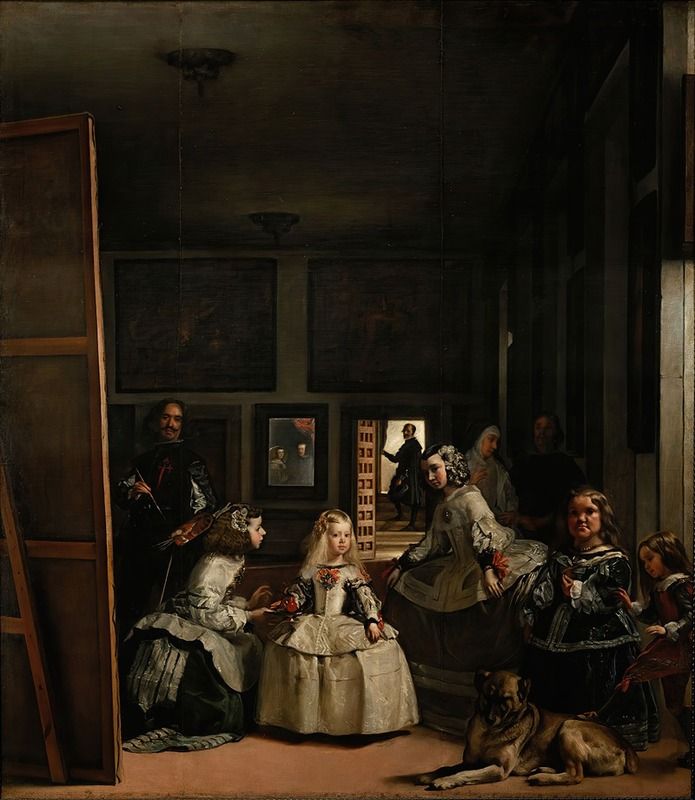
Las meninas
Diego Velázquez
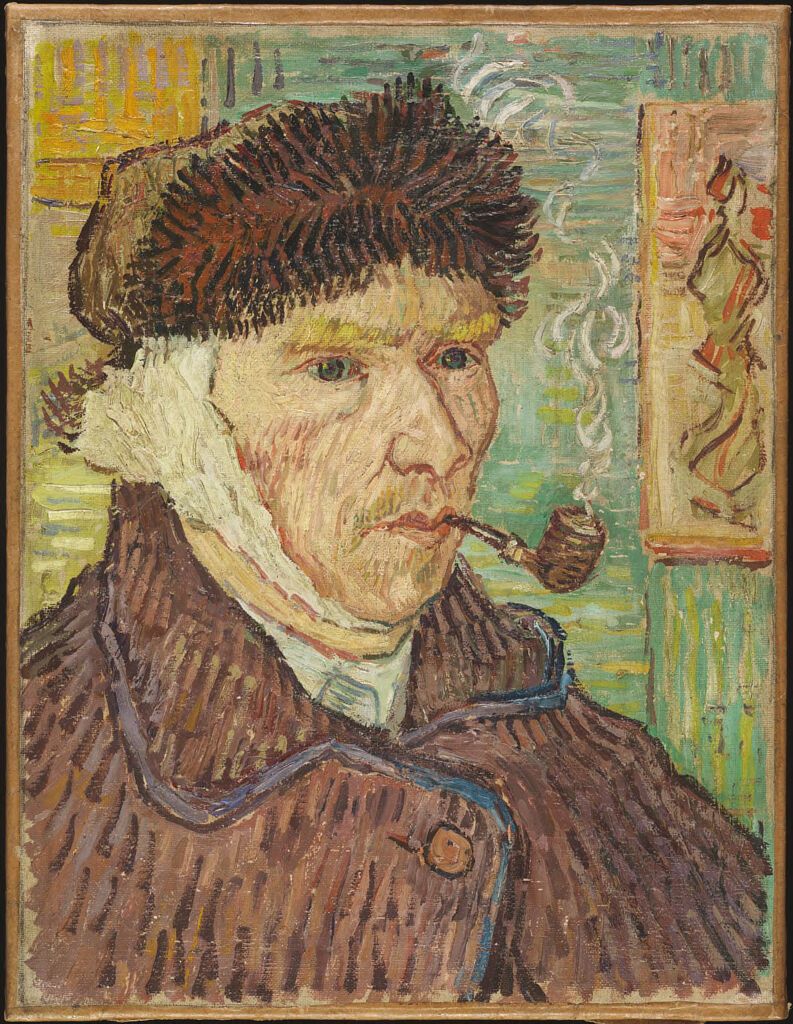
Self-portrait with a Bandaged Ear and Pipe
Unidentified artist

Girl with a Pearl Earring
Johannes Vermeer
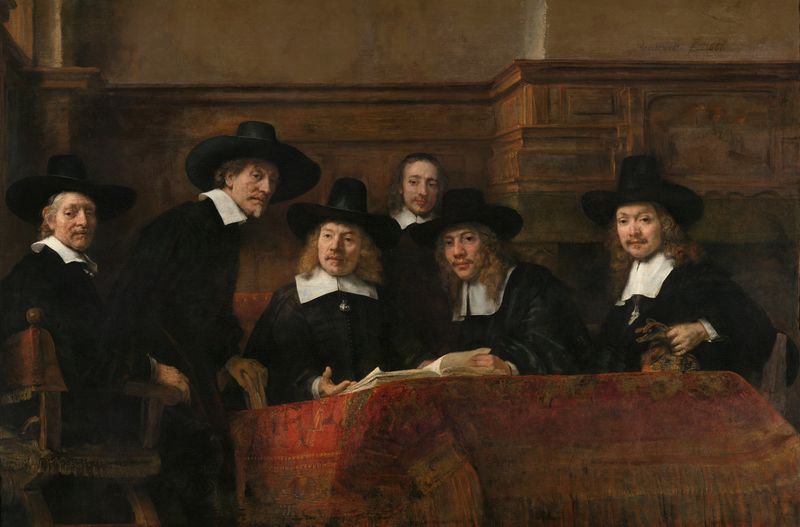
The Sampling Officials of the Amsterdam Drapers’ Guild, Known as ‘The Syndics’
Rembrandt van Rijn
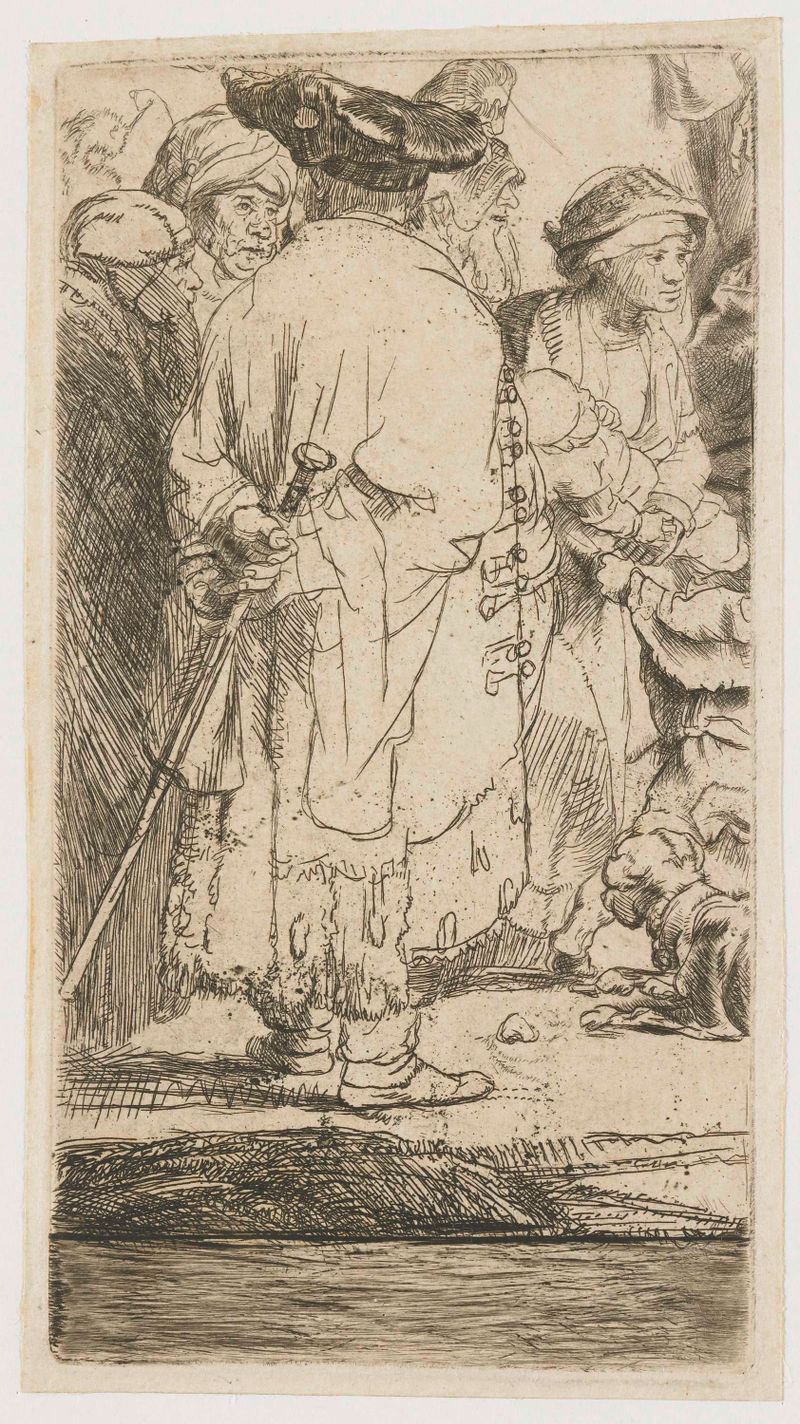
The Hundred Guilder Print: the man seen on the back in the lower left corner
Rembrandt van Rijn

Portrait of Dr Gachet
Vincent van Gogh