
Portrait of Miss Wortley — History & Facts
Could a single brushstroke hold eternity? In Portrait of Miss Wortley, the essence of memory lingers in the delicate features and poised demeanor of the subject, inviting reflection on identity and the passage of time. Look to the left at the soft cascade of Miss Wortley’s dark hair, meticulously rendered with gentle, sweeping strokes that suggest both movement and stillness. Notice how the light falls upon her alabaster skin, creating a luminous contrast that draws your eye to her contemplative gaze. The muted palette of earthy tones envelops the scene, enhancing the warmth and intimacy of the portrait while the subtle background fades into an almost dreamlike haze. Beneath the surface, the painting gestures toward the complexities of personal narrative and societal expectation.
The slight arch of Miss Wortley's brow hints at a quiet strength, while her elegant attire anchors her in a specific time and place, yet also evokes a timeless grace. Each detail—the delicate lace collar, the serene expression—carries with it an unspoken story, inviting the viewer to ponder the moments that have shaped her identity. Elisabeth Smith painted this work around 1830, a time marked by the emergence of women as professional artists in a male-dominated sphere. Residing in England, Smith was part of a growing movement that sought to elevate female representation in the art world, often capturing the lives of women like her subject, who navigated the delicate balance between societal roles and personal aspirations.
More Portrait Art
Browse all →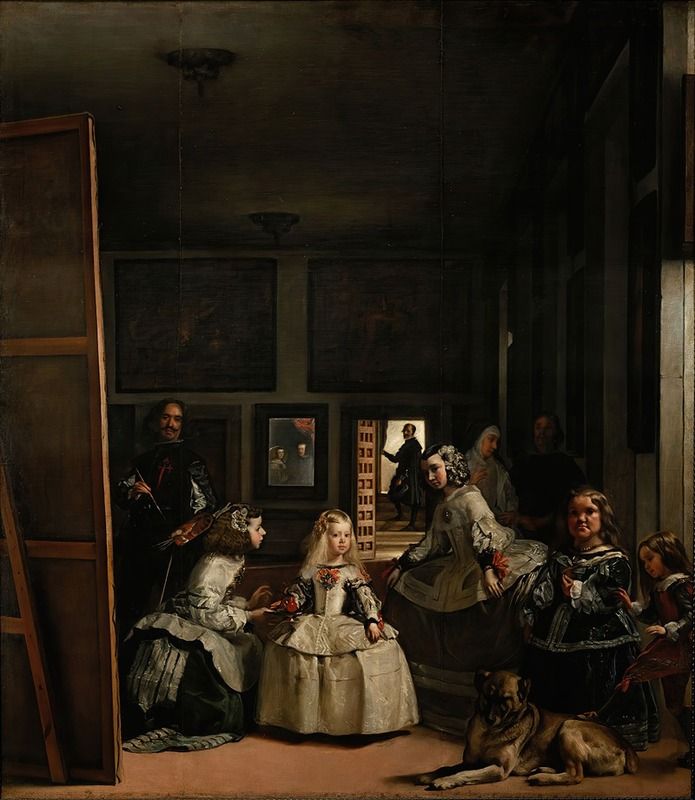
Las meninas
Diego Velázquez

Self-portrait with a Bandaged Ear and Pipe
Unidentified artist
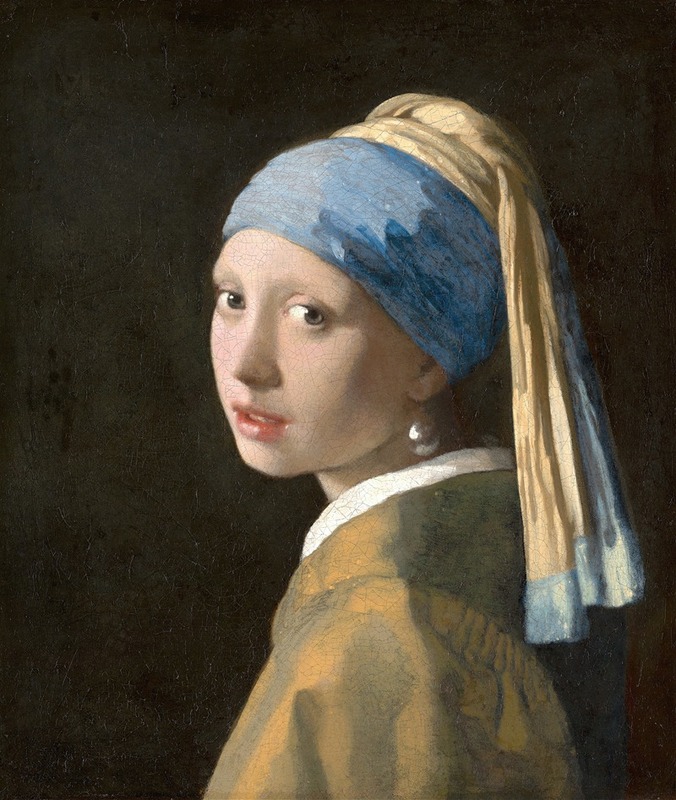
Girl with a Pearl Earring
Johannes Vermeer

The Sampling Officials of the Amsterdam Drapers’ Guild, Known as ‘The Syndics’
Rembrandt van Rijn

The Hundred Guilder Print: the man seen on the back in the lower left corner
Rembrandt van Rijn

Portrait of Dr Gachet
Vincent van Gogh