
Portrait of Princess Matilde — History & Facts
Could beauty survive in a century of chaos? In the Portrait of Princess Matilde, the answer is captured in a delicate balance of elegance and unease that transcends time. Focus on the princess's enigmatic gaze, framed by soft, cascading curls that catch the light in a gentle embrace. Notice how the artist deftly employs a restrained palette, with creamy whites and muted pastels that evoke a sense of nobility, yet hint at a deeper, unspoken tension. The intricate lace of her gown seems to whisper secrets, inviting the viewer to explore the layers of her identity and the world she inhabits. The sharp contrast between her poised demeanor and the subtle sadness in her eyes reveals the emotional complexity of royalty during a turbulent historical period.
The ornate details of her attire serve not only as a reflection of personal wealth but also as a physical barrier, suggesting confinement within a gilded cage. Each brushstroke carries the weight of obsession—both from the artist and for the subject—capturing a fleeting moment of beauty while hinting at the fragility beneath the surface. Frédéric Dubois painted this work around 1780, during a time when the political landscape in France was shifting dramatically. As the seeds of revolution took root, artists like Dubois navigated a world in flux, seeking refuge in the portrayal of beauty and nobility amidst chaos.
This portrait stands as a testament to the enduring power of art to encapsulate the complexities of human emotion, even in the face of uncertainty.
More Portrait Art
Browse all →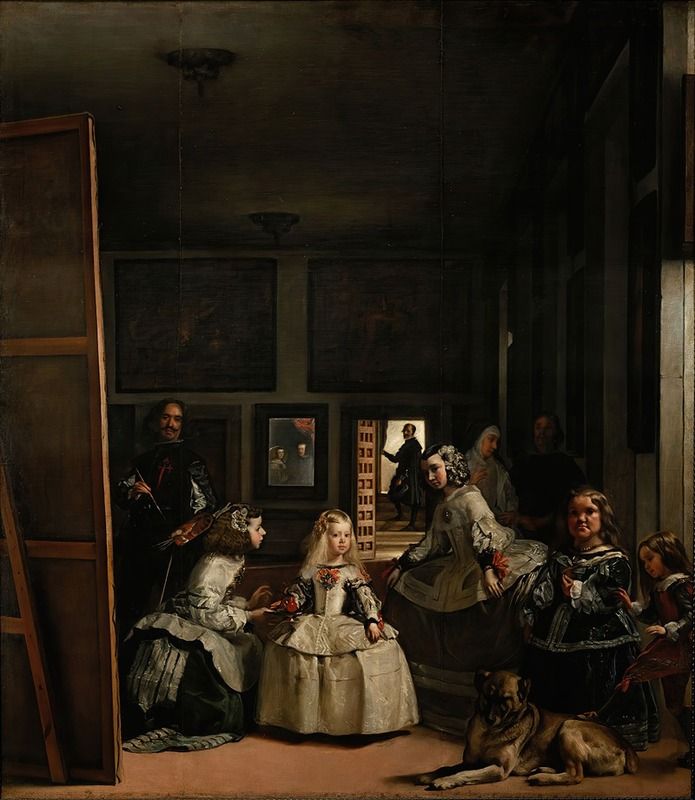
Las meninas
Diego Velázquez
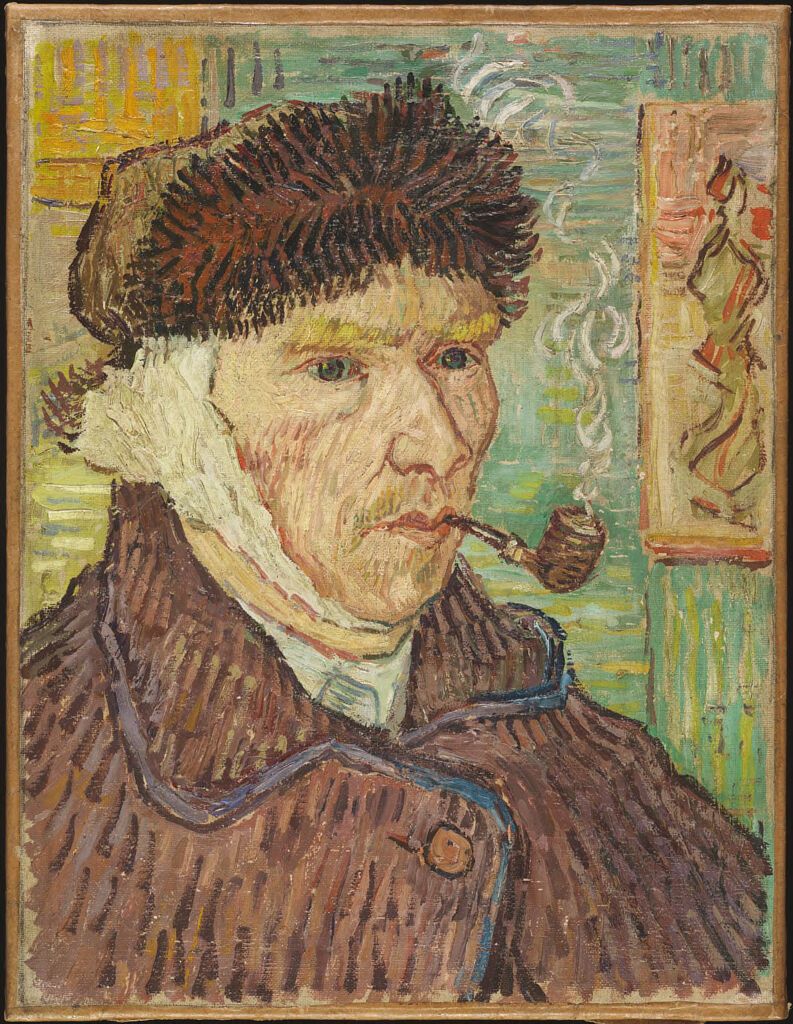
Self-portrait with a Bandaged Ear and Pipe
Unidentified artist
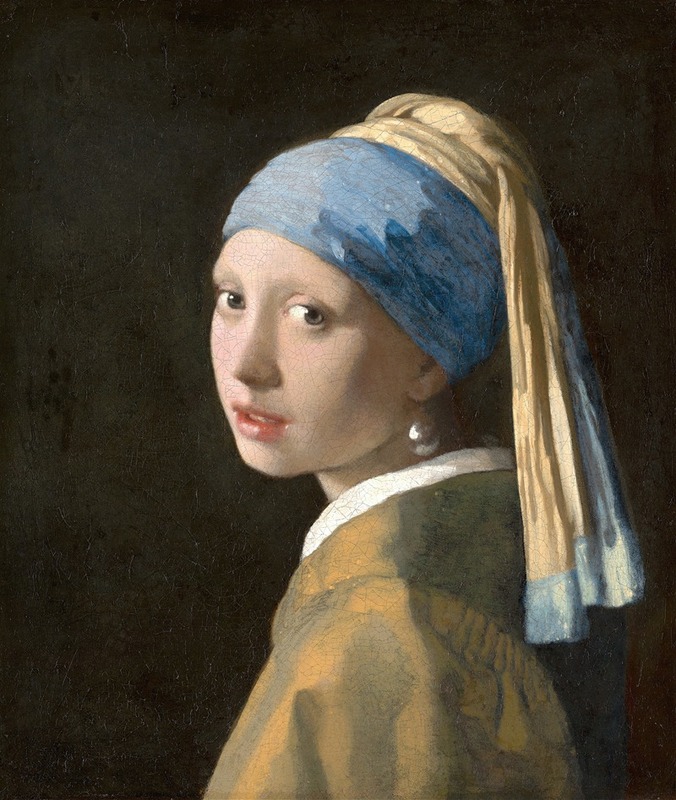
Girl with a Pearl Earring
Johannes Vermeer

The Sampling Officials of the Amsterdam Drapers’ Guild, Known as ‘The Syndics’
Rembrandt van Rijn

The Hundred Guilder Print: the man seen on the back in the lower left corner
Rembrandt van Rijn

Portrait of Dr Gachet
Vincent van Gogh