
Portret van Ghisbertus Masius — History & Facts
Can beauty exist without sorrow? In Portret van Ghisbertus Masius, the answer lingers in the silent gaze of the subject, wrapped in layers of yearning and introspection. Look closely at the face of Ghisbertus Masius, where the painter's meticulous brushwork reveals the fine details of a furrowed brow and pursed lips. The light dances against his skin, creating a chiaroscuro effect that emphasizes both the softness of his features and the weight of his expression. Notice how the deep, rich colors of his attire—emerald greens and royal blues—contrast starkly with the muted background, suggesting that his presence is both commanding and vulnerable. Delve into the emotional tension woven into the fabric of the painting.
The subtle play of light highlights Masius’s thoughtful demeanor, evoking a sense of longing that resonates with viewers on a personal level. This duality—beauty intertwined with melancholy—serves as a testament to the human condition, capturing a moment of introspection that speaks to the universal experience of yearning. Created between 1710 and 1725, the work reflects the artist's exploration of portraiture during a time when the Dutch art scene was transitioning from baroque exuberance to a more restrained elegance. Jongelinx, working amid a society captivated by individualism, imbued his subjects with a depth that transcended mere likeness, reflecting the complexities of identity and emotion in an evolving cultural landscape.
More Artworks by Jan Baptist Jongelinx
Browse all →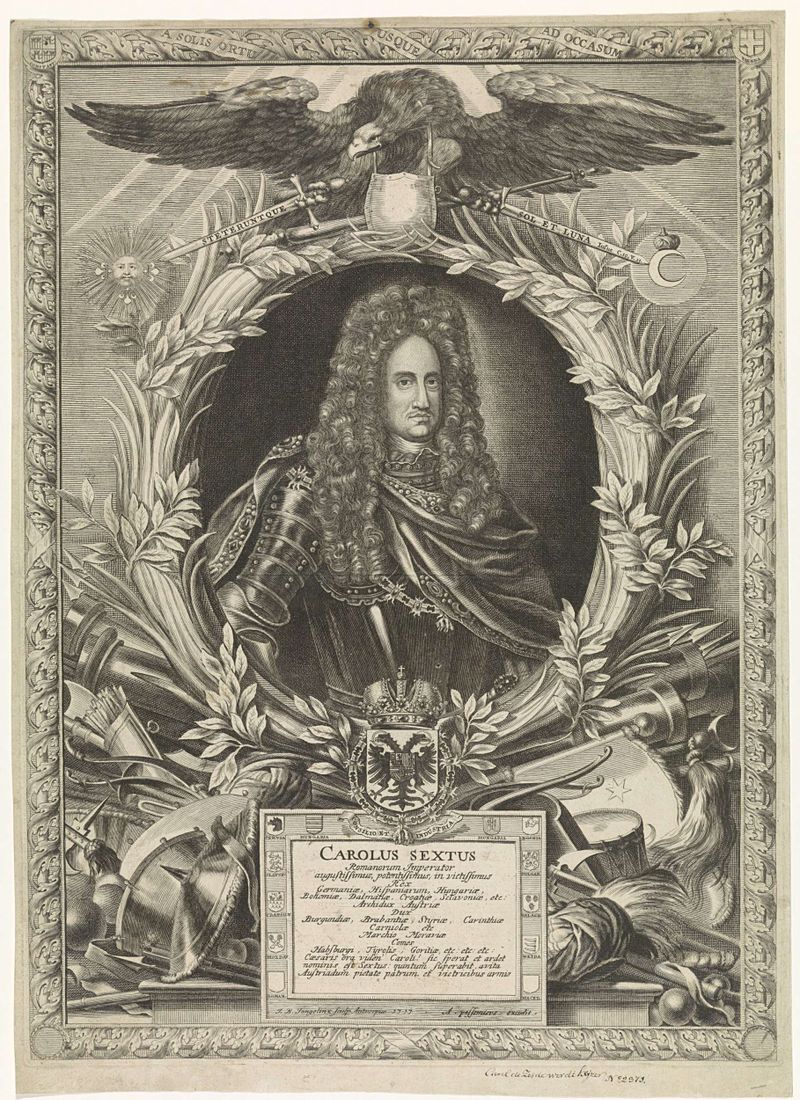
More Portrait Art
Browse all →
Las meninas
Diego Velázquez

Self-portrait with a Bandaged Ear and Pipe
Unidentified artist

Girl with a Pearl Earring
Johannes Vermeer

The Sampling Officials of the Amsterdam Drapers’ Guild, Known as ‘The Syndics’
Rembrandt van Rijn

The Hundred Guilder Print: the man seen on the back in the lower left corner
Rembrandt van Rijn

Portrait of Dr Gachet
Vincent van Gogh