
Portret van Henricus Schultz — History & Facts
Is this a mirror — or a memory? The gaze of Henricus Schultz pulls you into a world of introspection and hidden depths, where the boundaries of perception blur like the edges of a dream. Look to the right at the intricate detail of Schultz’s attire, where the fabric seems to shimmer with a life of its own, reflecting the light in vibrant hues. Notice how the artist’s brushwork captures the texture of the lace and the subtle play of shadow on his face, which, though illuminated, hints at an inner turmoil. The soft background, a muted blend of colors, emphasizes the subject's isolation, isolating him in a transient moment that feels both personal and universal. Within this portrait lie undercurrents of madness and reason, stitched together in a delicate balance.
Schultz’s expression is enigmatic, revealing a flicker of vulnerability beneath his composed facade, suggesting an internal conflict. The slight tilt of his head seems to respond to the viewer, posing an unspoken question about identity and self-perception, inviting us to ponder whether we see ourselves or merely a reflection of our ideals. Pieter Hendrik Jonxis created this work between 1772 and 1843 during a time when portraiture was evolving amidst a backdrop of burgeoning Romanticism. Living in the Netherlands, he was influenced by both Enlightenment ideals and the complexities of human emotion, seeking to capture not just likeness but the essence of his subjects.
This period marked a significant transition in art, where the psychological depth of individuals began to reshape traditional conventions, setting the stage for future explorations of the self.
More Artworks by Pieter Hendrik Jonxis
Browse all →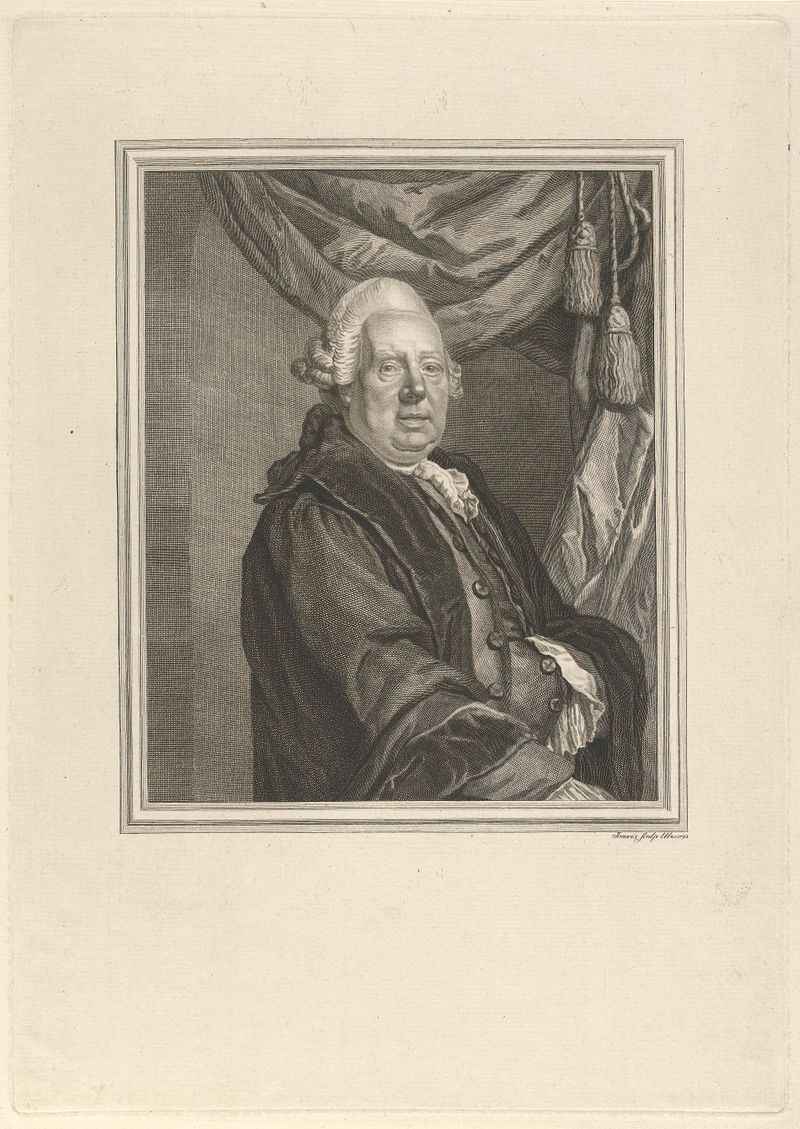

More Portrait Art
Browse all →
Las meninas
Diego Velázquez

Self-portrait with a Bandaged Ear and Pipe
Unidentified artist

Girl with a Pearl Earring
Johannes Vermeer

The Sampling Officials of the Amsterdam Drapers’ Guild, Known as ‘The Syndics’
Rembrandt van Rijn

The Hundred Guilder Print: the man seen on the back in the lower left corner
Rembrandt van Rijn

Portrait of Dr Gachet
Vincent van Gogh