
Portret van Jan Pietersz. Zomer — History & Facts
Can beauty exist without sorrow? In Portret van Jan Pietersz. Zomer, the quiet elegance of the subject belies a world in flux, evoking a tension between tranquility and the revolutionary currents of the time. Look to the left at the rich, velvety fabric draping around the figure, inviting you to trace the contours of the face framed within. The warm, golden hues of the background contrast sharply with the cool shadow casting over Zomer’s gaze, creating a dialogue between light and darkness.
Each brushstroke reveals not just the physical presence of the man but hints at an internal world layered with complexities, reflecting the artist’s mastery in capturing both likeness and essence. As you delve deeper, notice the subtle tightening of Zomer's lips, hinting at unresolved thoughts or perhaps a burden unshared. The ornate details in his attire serve as a reminder of status and the expectations that accompany it, yet there’s an unmistakable weariness in his expression, suggesting that beauty may conceal the weight of unspoken struggles. This duality encapsulates the era's tensions—where personal grace intertwines with the societal upheaval of the Dutch Republic, echoing the broader revolutions in art and thought. Arnold Boonen painted this work during a period of great transformation in the early 18th century, when the Baroque style was giving way to the more restrained elegance of Classicism.
Living in Amsterdam, Boonen found himself influenced by the sociopolitical climate, which was marked by the rise of new ideas and the decline of established norms. His portrait reflects not only his technical skill but also an acute awareness of the shifting landscapes of identity and beauty during his time.
More Artworks by Arnold Boonen
Browse all →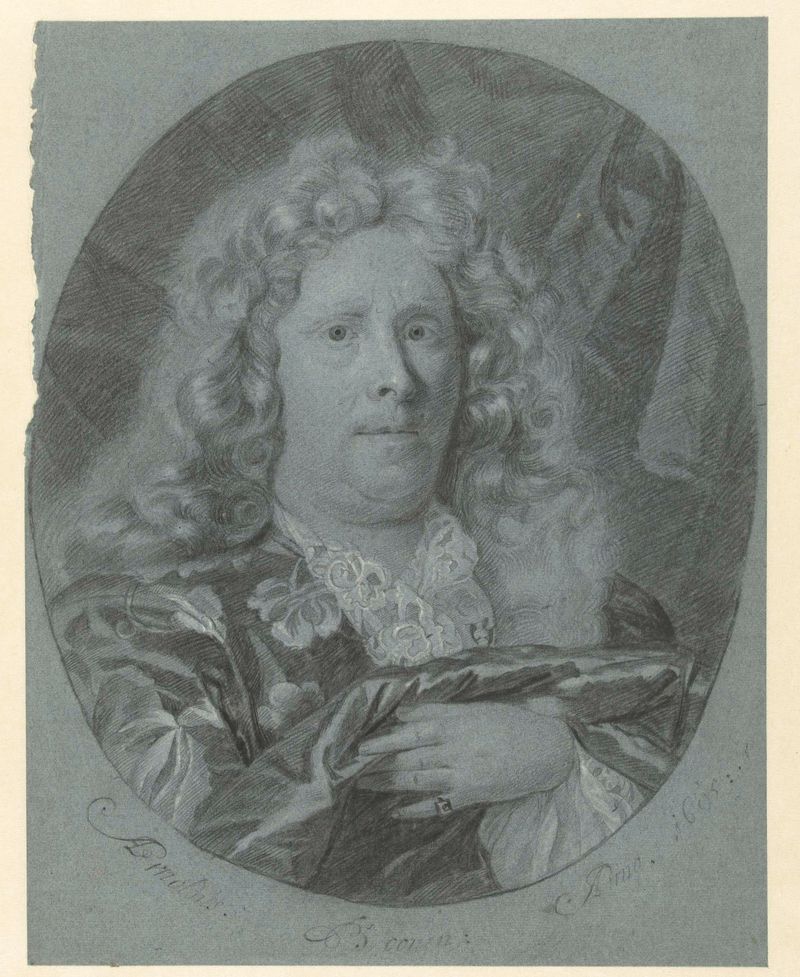
More Portrait Art
Browse all →
Las meninas
Diego Velázquez

Self-portrait with a Bandaged Ear and Pipe
Unidentified artist

Girl with a Pearl Earring
Johannes Vermeer

The Sampling Officials of the Amsterdam Drapers’ Guild, Known as ‘The Syndics’
Rembrandt van Rijn

The Hundred Guilder Print: the man seen on the back in the lower left corner
Rembrandt van Rijn

Portrait of Dr Gachet
Vincent van Gogh