
Portret van paus Alexander VII — History & Facts
When did color learn to lie? The canvas captures a visage that, despite its vibrancy, whispers secrets of wear and decay, challenging the viewer to discern truth from illusion. Look to the right at the rich, velvety robes adorned with intricate gold embroidery, their luxurious material contrasting starkly with the somber expression of Alexander VII. The careful brushwork brings texture to life, drawing attention to the depth of the shadows carved upon his face. Notice how the light falls upon the papal tiara, illuminating its gilded details while casting a veil of mystery upon the deeper recesses of his brow, hinting at the weight of his office. Within this powerful portrayal lies a tension between authority and vulnerability.
The Pope’s gaze seems to penetrate the viewer's soul, evoking a sense of both reverence and unease. The decay woven into the fabric of his robes echoes a truth about mortality, suggesting that even the highest power is subject to time's relentless passage. The contrast of vibrant colors against the solemnity of his demeanor speaks to the duality of faith and the burdens it carries. Pieter de Jode (II) painted this solemn portrait in 1659, during a period when the Baroque movement flourished, marked by dramatic expression and rich detail.
This was a time of significant political upheaval, and the church wielded immense influence. Jode, navigating the complexities of his own artistic career, sought to capture not just the external likeness, but the intricate layers of human experience that define leadership and legacy.
More Artworks by Pieter de Jode (II)
Browse all →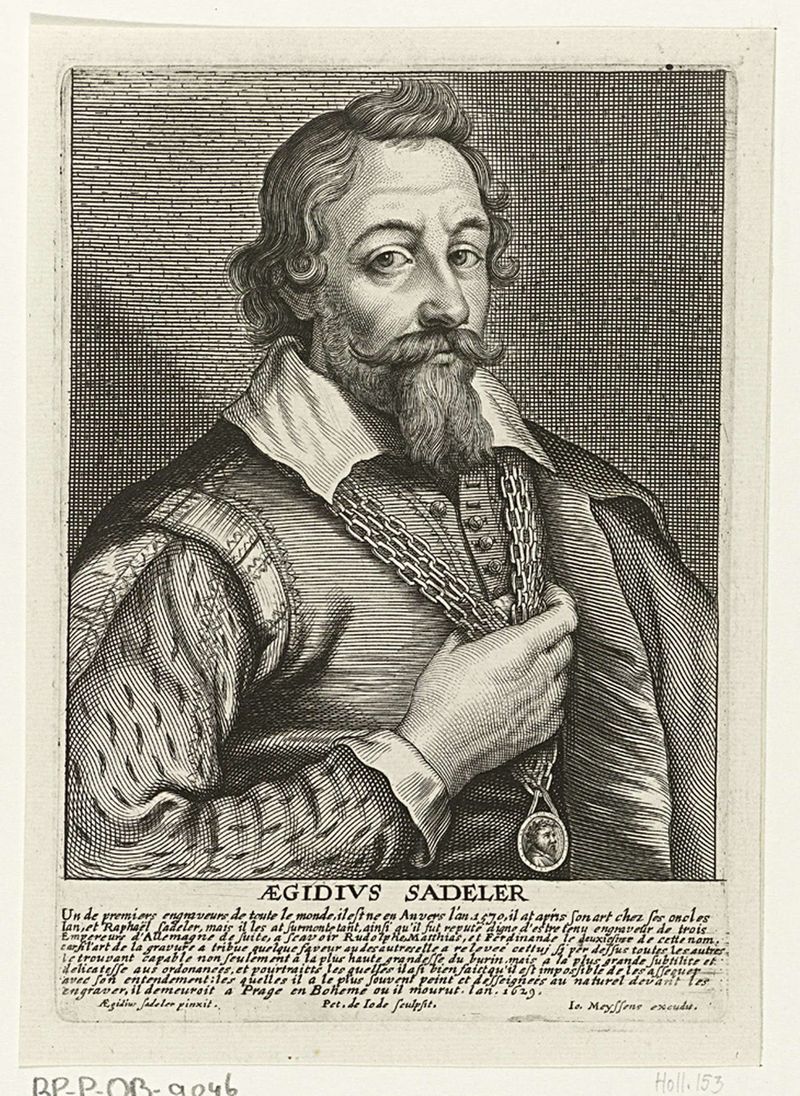
Portret van Aegidius Sadeler
Pieter de Jode (II)
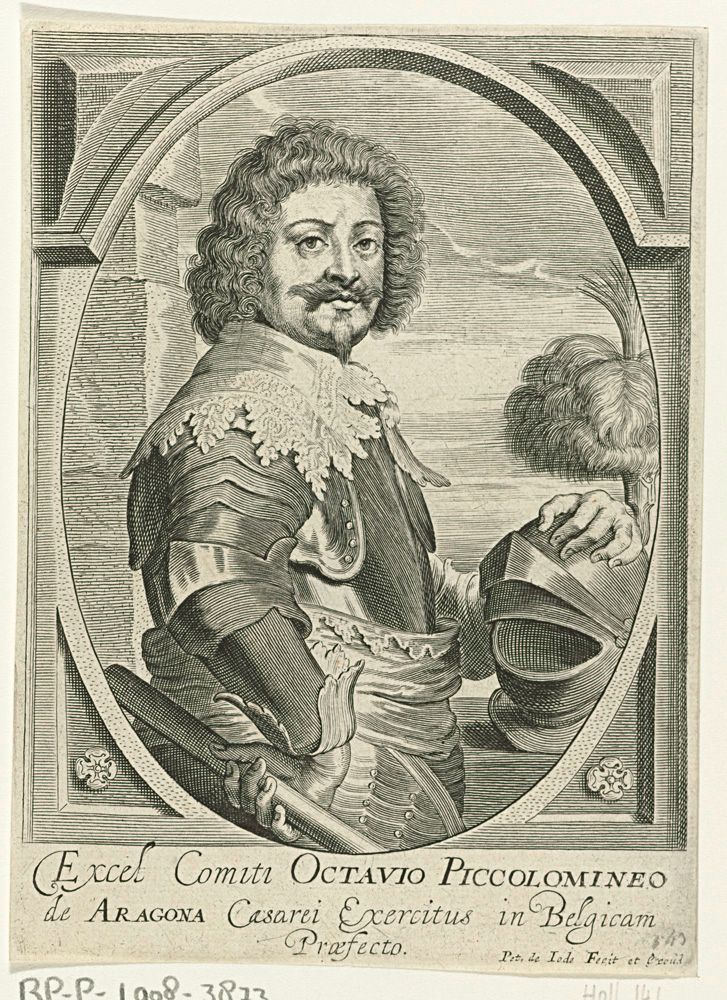
Portret van Ottavio Piccolomini
Pieter de Jode (II)
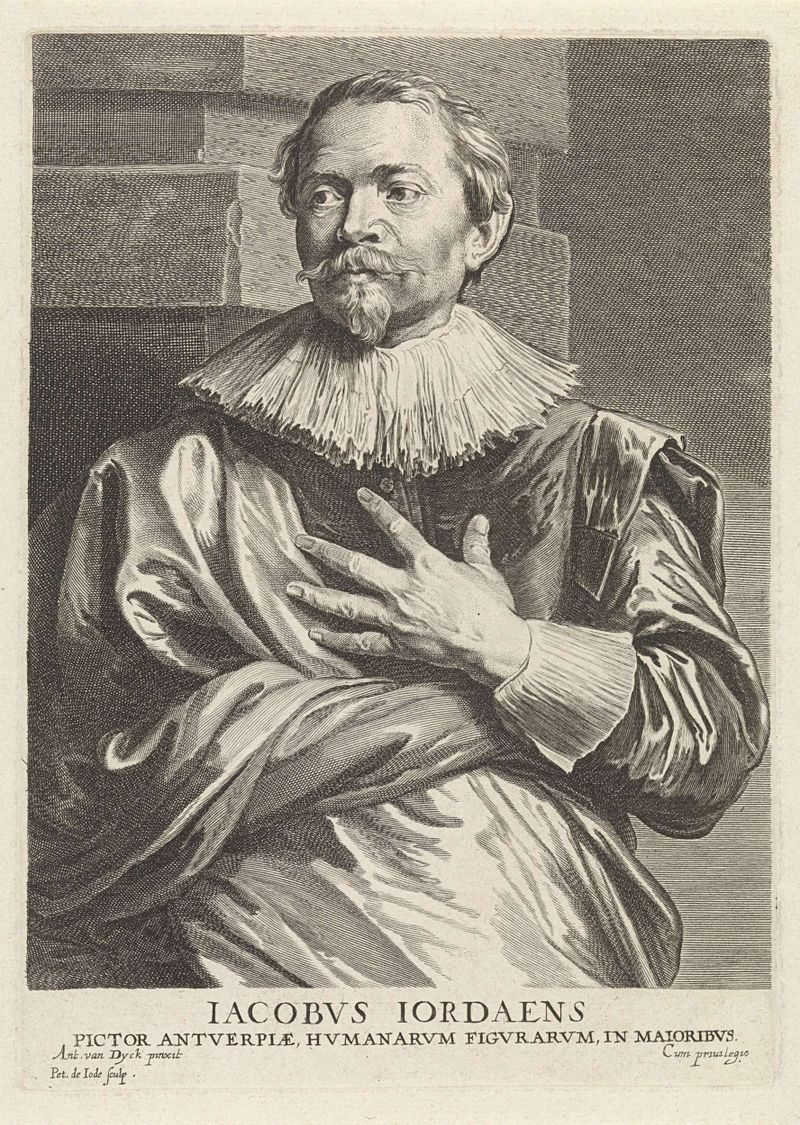
Portret van Jacques Jordaens
Pieter de Jode (II)

Busteportret van Karel Albert de Longueval
Pieter de Jode (II)
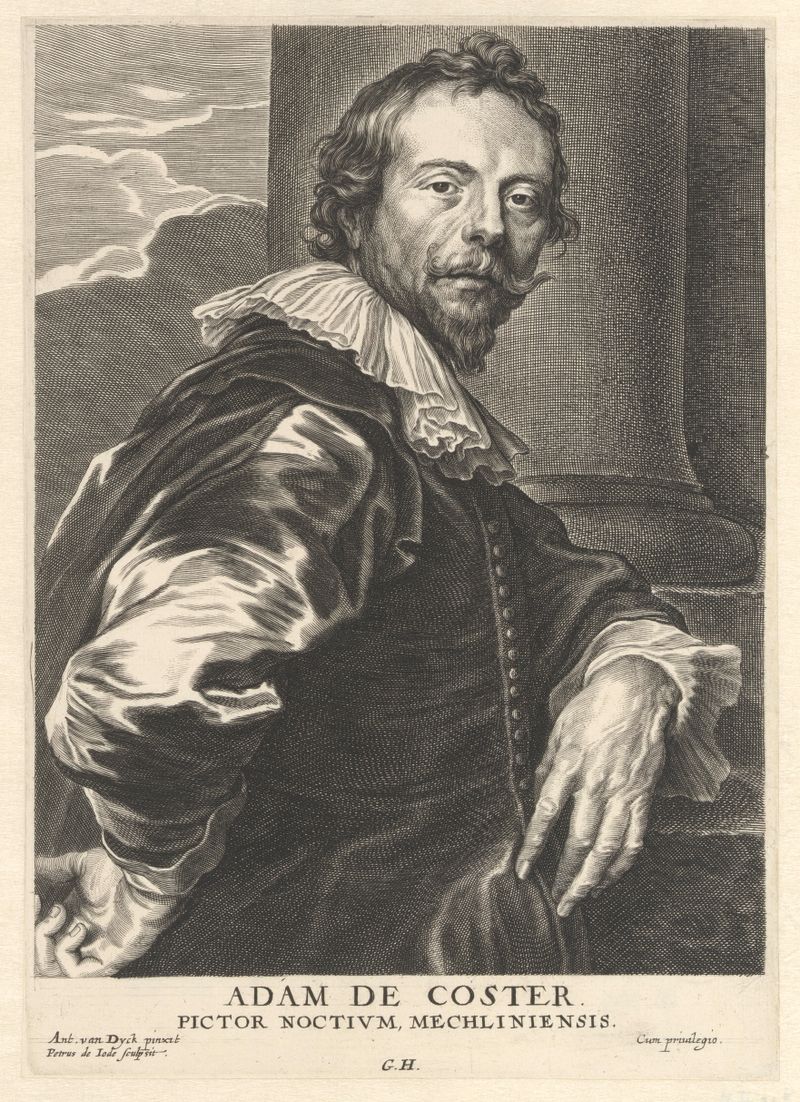
Portret van Adam de Coster
Pieter de Jode (II)

Portret van Aartshertog Leopold Willem van Oostenrijk
Pieter de Jode (II)
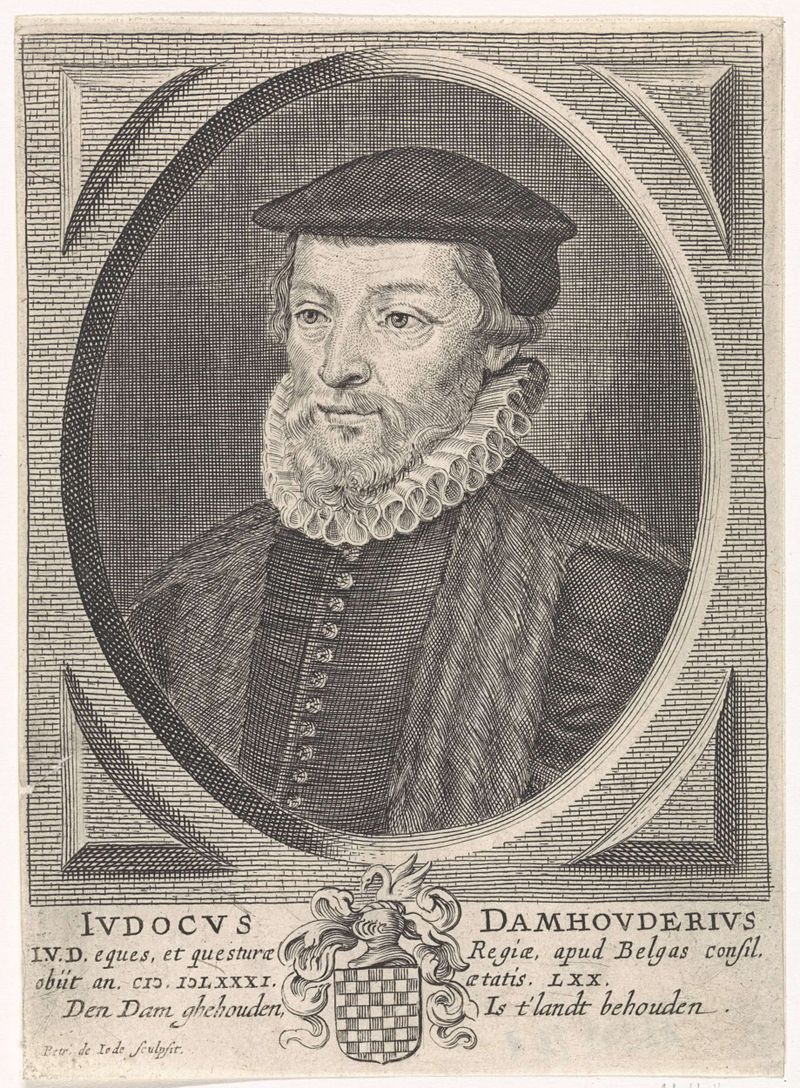
Portret van Joost de Damhouder
Pieter de Jode (II)
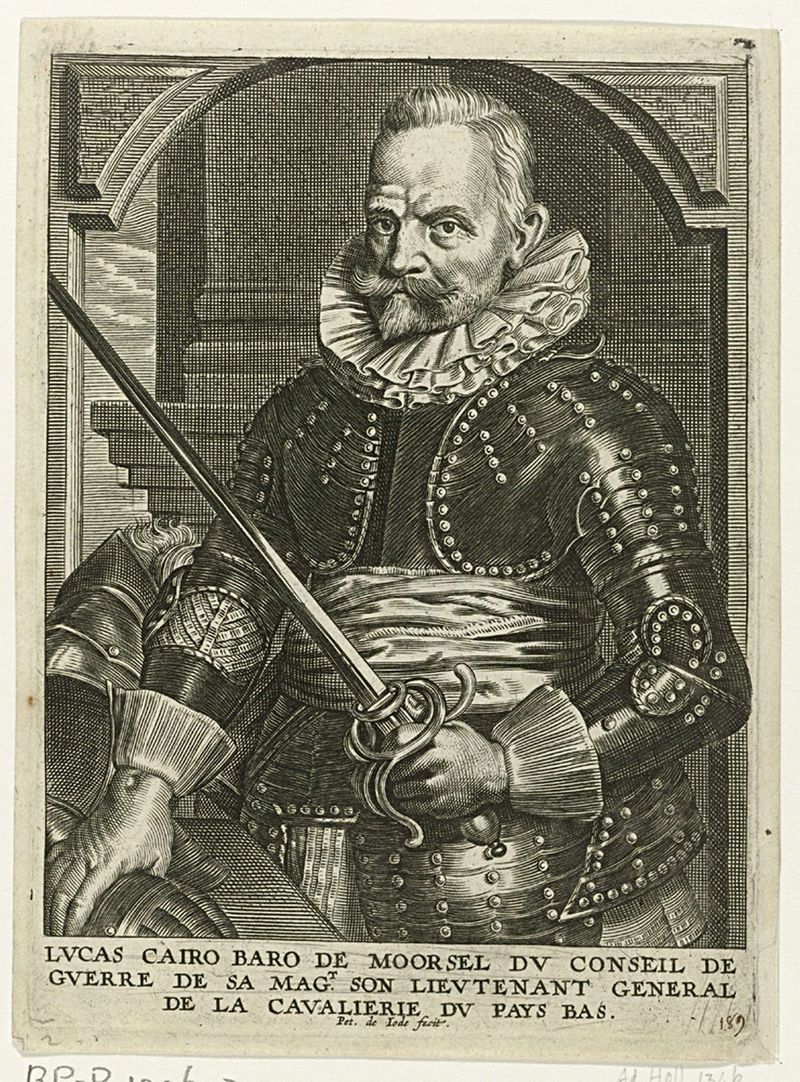
Portret van Lucas Cayro, baron van Moorsel
Pieter de Jode (II)
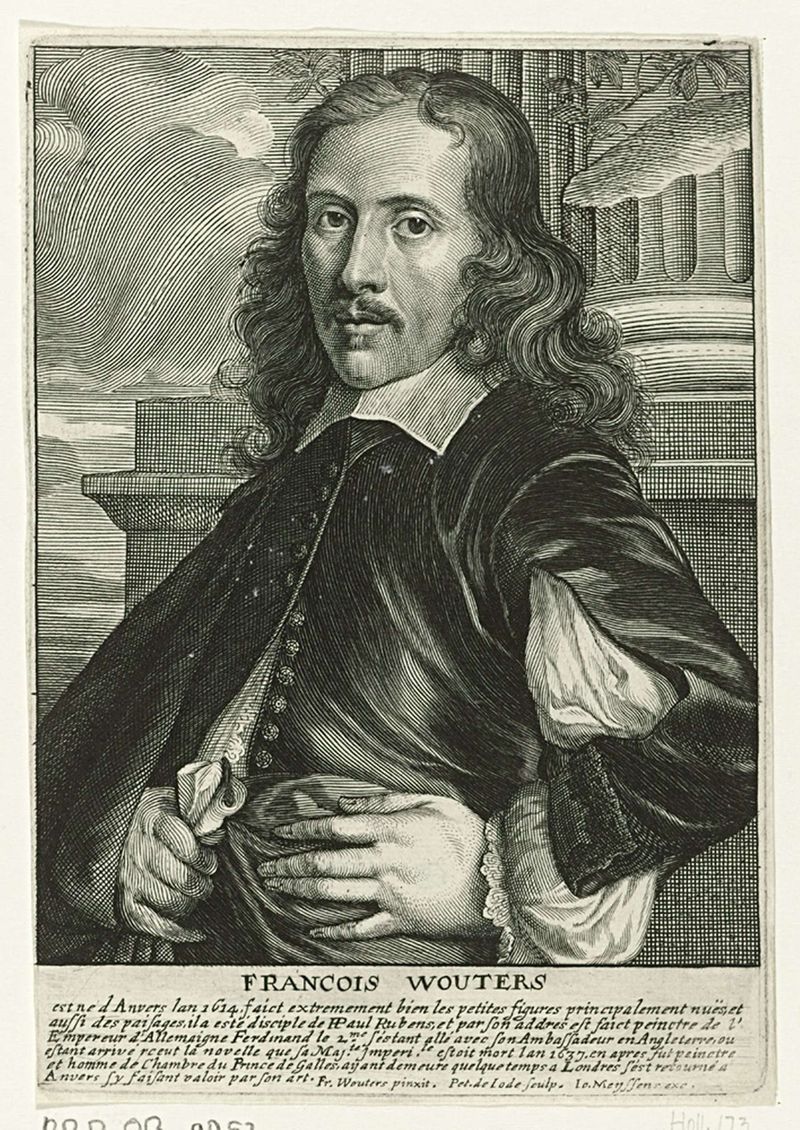
Portret van Frans Wouters
Pieter de Jode (II)
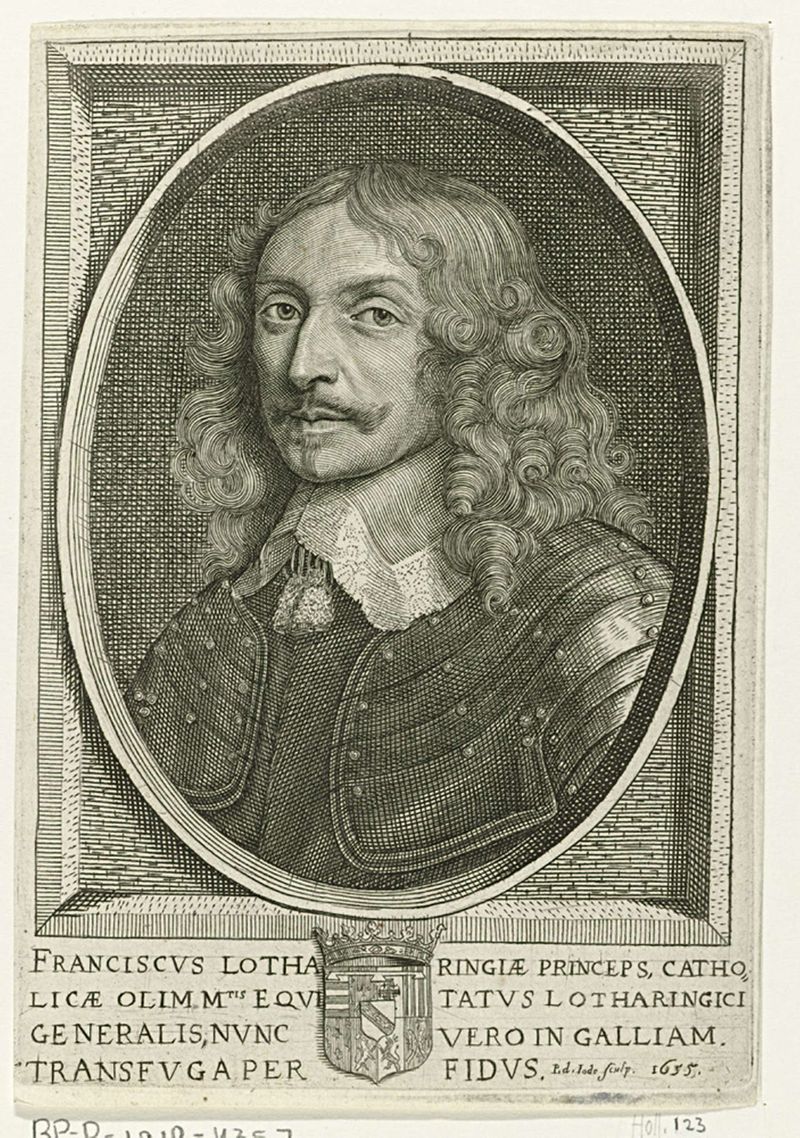
Portret van Franciscus van Lotharingen
Pieter de Jode (II)
More Portrait Art
Browse all →
Las meninas
Diego Velázquez

Self-portrait with a Bandaged Ear and Pipe
Unidentified artist

Girl with a Pearl Earring
Johannes Vermeer

The Sampling Officials of the Amsterdam Drapers’ Guild, Known as ‘The Syndics’
Rembrandt van Rijn

The Hundred Guilder Print: the man seen on the back in the lower left corner
Rembrandt van Rijn

Portrait of Dr Gachet
Vincent van Gogh