
Portret van Wilhelmus Momma — History & Facts
Did the painter know this moment would outlive them? In an age where existence is fleeting, the stillness captured in a portrait speaks to the divine nature of art itself. Focus your gaze on the subject's eyes, which seem to emanate a quiet wisdom, inviting you into a profound dialogue. Notice how the soft, golden light bathes Wilhelmus Momma’s visage, highlighting the delicate textures of his garments and the intricate lace collar that frames his face. The subtle shadows play across his features, revealing the mastery of chiaroscuro, while the rich, earthy palette contributes a sense of gravitas and dignity to this intimate moment. Yet, beyond the surface beauty, the work carries deeper emotional currents.
The solemn expression hints at a lifetime of experiences, perhaps reflecting on the transience of life and the quest for meaning. The meticulous attention to detail in the fabric and surroundings contrasts with the simplicity of his pose, suggesting a tension between the earthly and the divine, as if this portrait serves as a bridge to greater spiritual realms. During the years between 1677 and 1684, Joannes de Jongh painted this remarkable piece in the Netherlands, where the art scene was flourishing amidst the backdrop of the Dutch Golden Age. As artists embraced the exploration of individual identity, de Jongh found his voice through portraits that captured not just the likeness, but the essence of his subjects, reflecting a period rich with both personal and artistic exploration.
More Portrait Art
Browse all →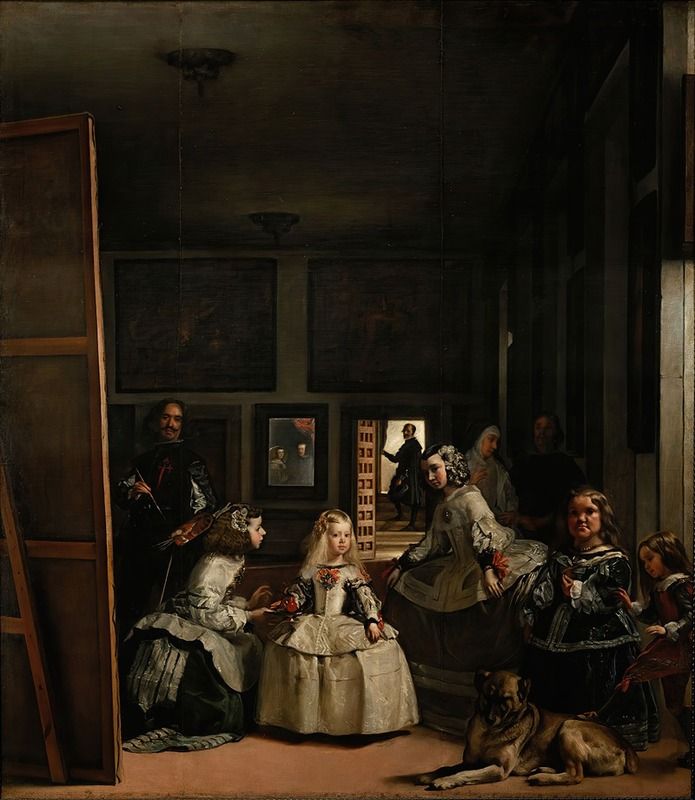
Las meninas
Diego Velázquez
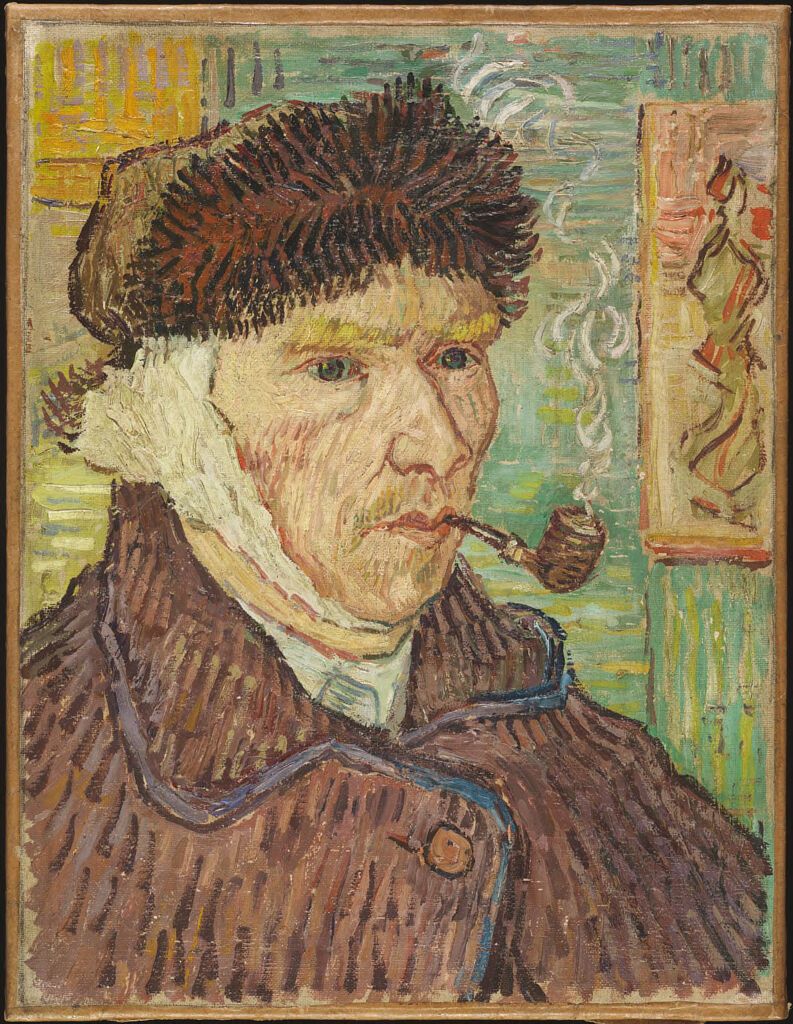
Self-portrait with a Bandaged Ear and Pipe
Unidentified artist
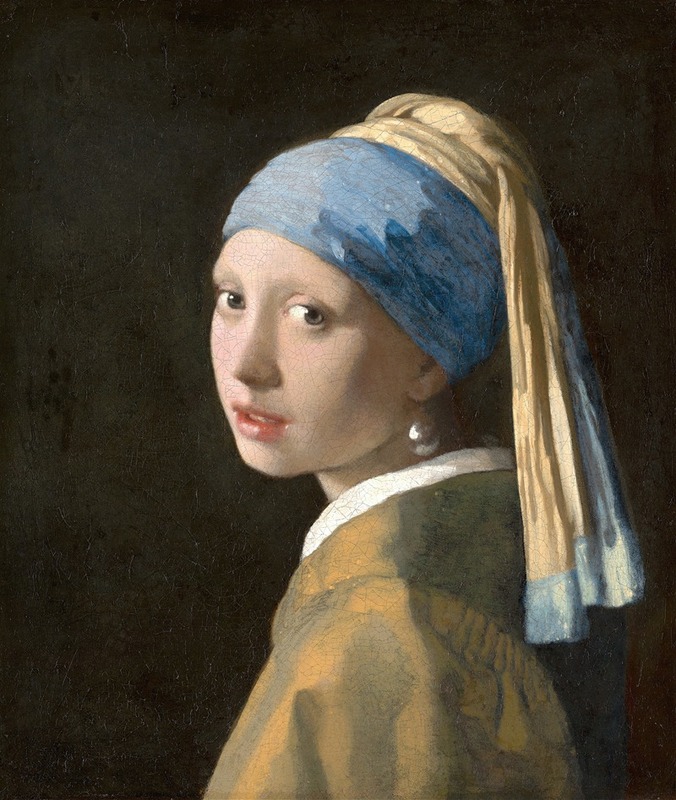
Girl with a Pearl Earring
Johannes Vermeer
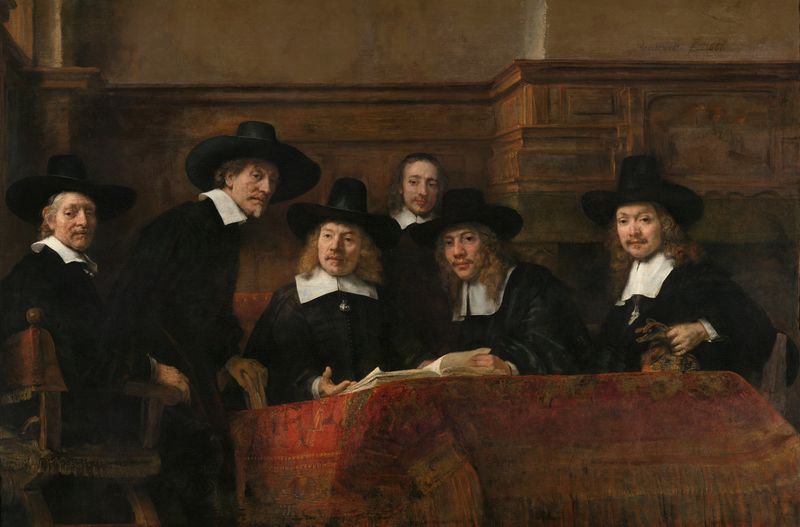
The Sampling Officials of the Amsterdam Drapers’ Guild, Known as ‘The Syndics’
Rembrandt van Rijn
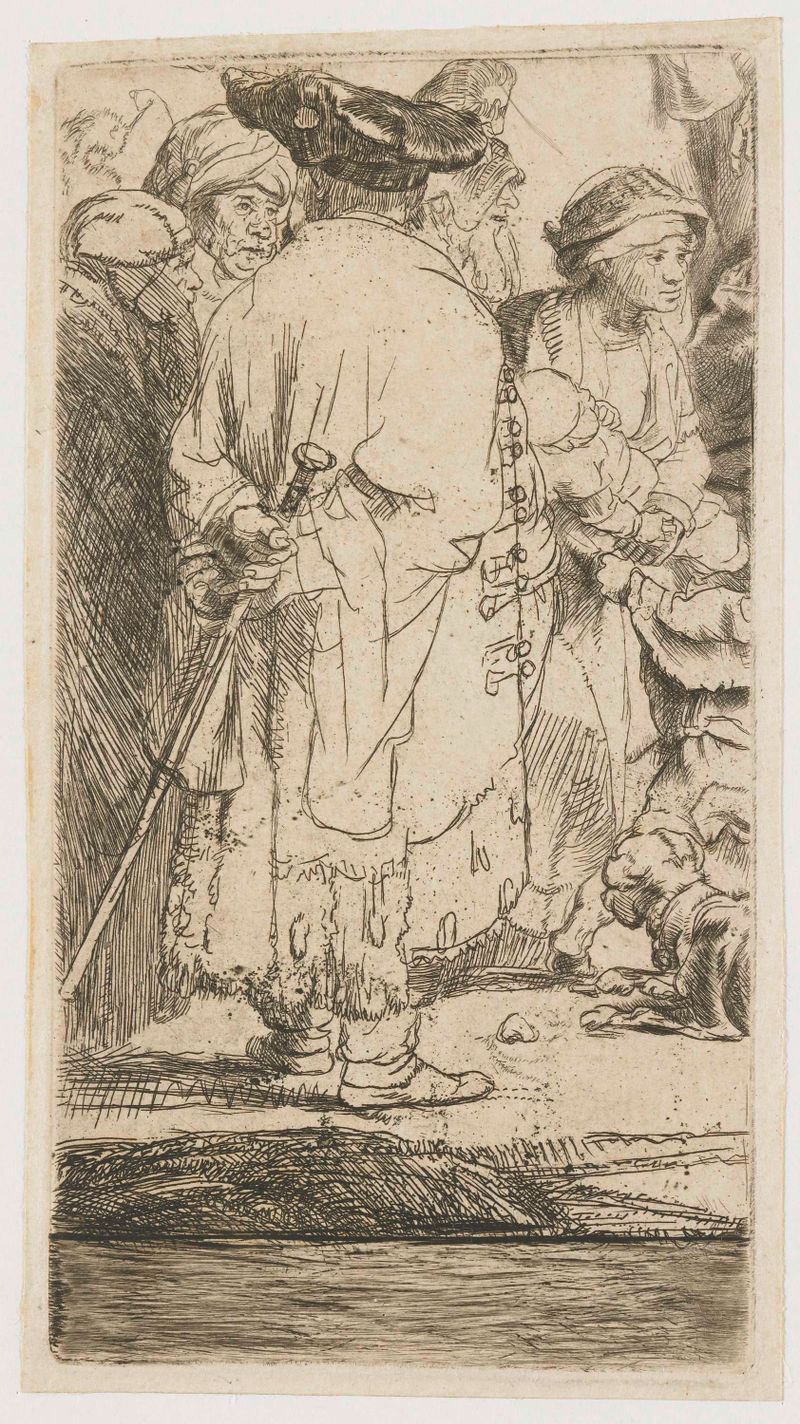
The Hundred Guilder Print: the man seen on the back in the lower left corner
Rembrandt van Rijn

Portrait of Dr Gachet
Vincent van Gogh