
Portretten van Rembrandt en Tilmans — History & Facts
In Portretten van Rembrandt en Tilmans, the tumult of emotions finds a delicate balance, inviting the viewer to reflect on the nature of violence and its transformative power. Look to the left at the intense gaze of Rembrandt, a storm of genius and tumult captured in every brushstroke. His dark attire contrasts sharply with the lighter palette surrounding Tilmans, who is depicted in softer hues. The textured layers of paint create a palpable depth, while the chiaroscuro technique draws attention to their faces, revealing the stark interplay of light and shadow that mirrors their complex inner lives. The juxtaposition of the two figures is striking; one a master of emotional depth, the other seemingly a more grounded presence.
Yet, the tension between them is palpable, highlighting the struggle of artistic identity amidst personal violence and societal expectations. Each expression channels a narrative of conflict, as if both men are wrestling with their legacies—one steeped in the chaos of creation, the other in the pursuit of recognition. In 1848, when this portrait was created, de Jonge was immersed in the rich tradition of Dutch art while attempting to carve out his own identity. This was a time of significant political upheaval in Europe, paralleling his own struggle as an artist to reconcile with the giants of the past.
Engaging with the legacies of artists like Rembrandt not only served to elevate de Jonge’s work but also to explore the violence inherent in artistic creation, encapsulating the conflicts that shaped his era.
More Artworks by Jan Karel Jacob de Jonge
Browse all →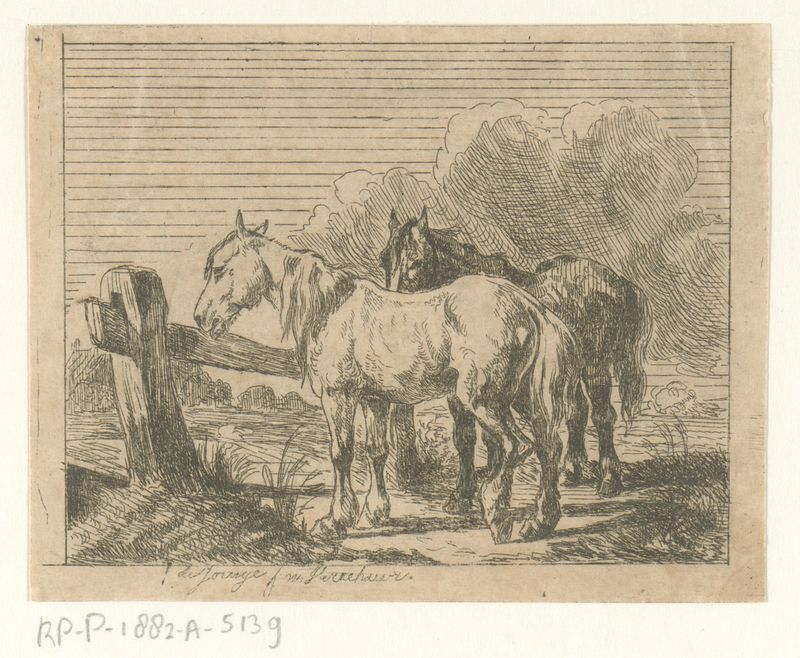
More Portrait Art
Browse all →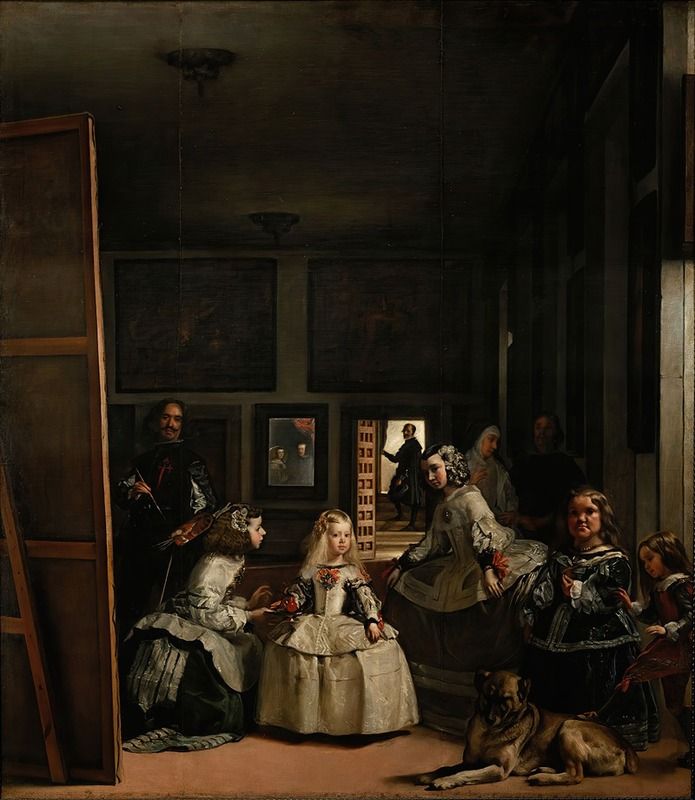
Las meninas
Diego Velázquez
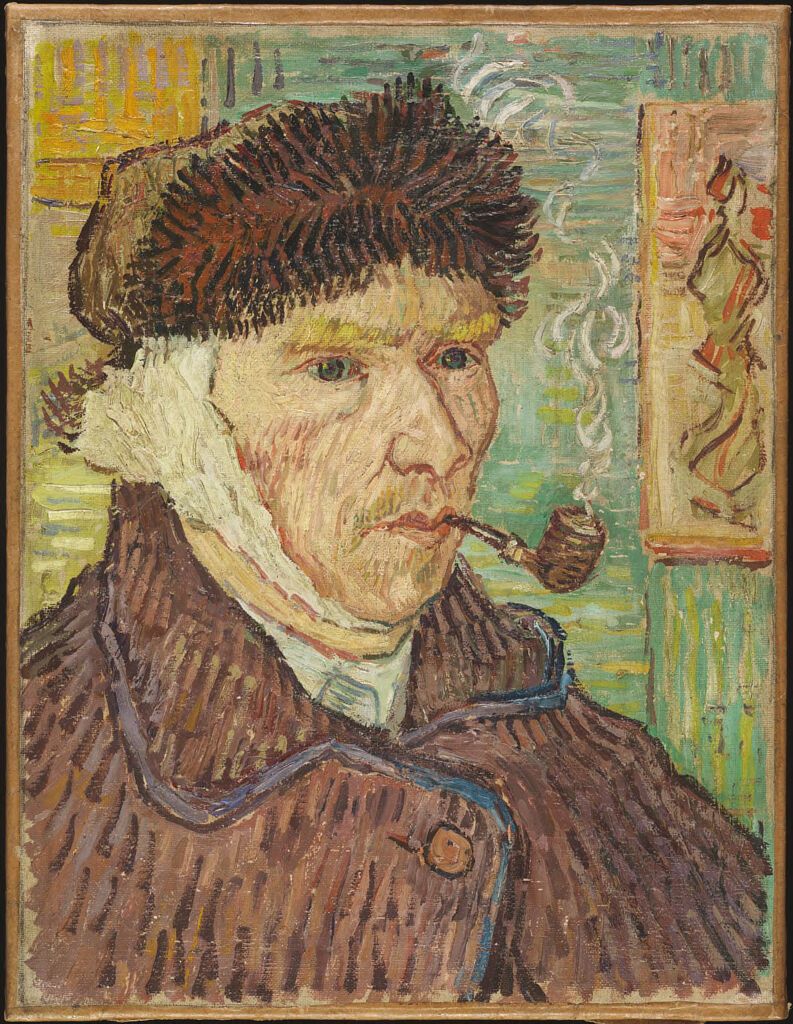
Self-portrait with a Bandaged Ear and Pipe
Unidentified artist
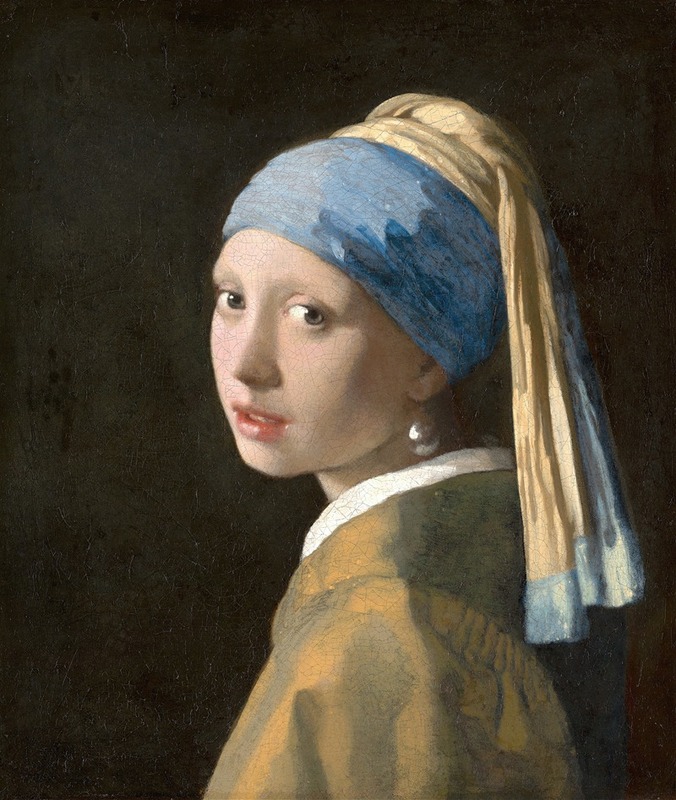
Girl with a Pearl Earring
Johannes Vermeer

The Sampling Officials of the Amsterdam Drapers’ Guild, Known as ‘The Syndics’
Rembrandt van Rijn

The Hundred Guilder Print: the man seen on the back in the lower left corner
Rembrandt van Rijn

Portrait of Dr Gachet
Vincent van Gogh