
Rebecca Welcomed by Abraham — History & Facts
In Rebecca Welcomed by Abraham, serenity envelops the viewer, whispering of quiet moments steeped in grace and reverence. Look to the left at the gentle embrace shared between the figures, where Abraham's outstretched hand and welcoming gaze meet Rebecca's serene expression. The soft, muted palette—earthy browns and subtle golds—creates a warm atmosphere, inviting us into the scene. Notice how the light falls upon their garments, casting delicate shadows that enhance the intimacy of this sacred moment, emphasizing the depth of their connection through rich textures and thoughtful composition. Delve deeper into the artwork, where contrasts emerge brilliantly.
The calm of Rebecca’s demeanor contrasts with the jubilance hinted in Abraham's gesture, reflecting the duality of anticipation and acceptance. The background, though minimally detailed, hints at the vastness of their journey, suggesting a world beyond this single moment, a life filled with uncertainty yet grounded in familial love. The carefully placed details—a handmaiden's watchful gaze, the muted fabric of Rebecca’s dress—speak to the layers of narrative that resonate with the viewer’s own experiences of welcome and belonging. Creating this piece around 1650, Barent Fabritius crafted it during his time in Delft, amidst the flourishing of Dutch Golden Age painting.
As a student of Rembrandt, he drew from the master’s techniques, yet infused his work with a distinct softness and humanity. This period was marked by a growing interest in personal, intimate moments of daily life, and Fabritius championed this genre, seeking to convey profound emotional truths through the simplicity of human connection.
More Artworks by Barent Fabritius
Browse all →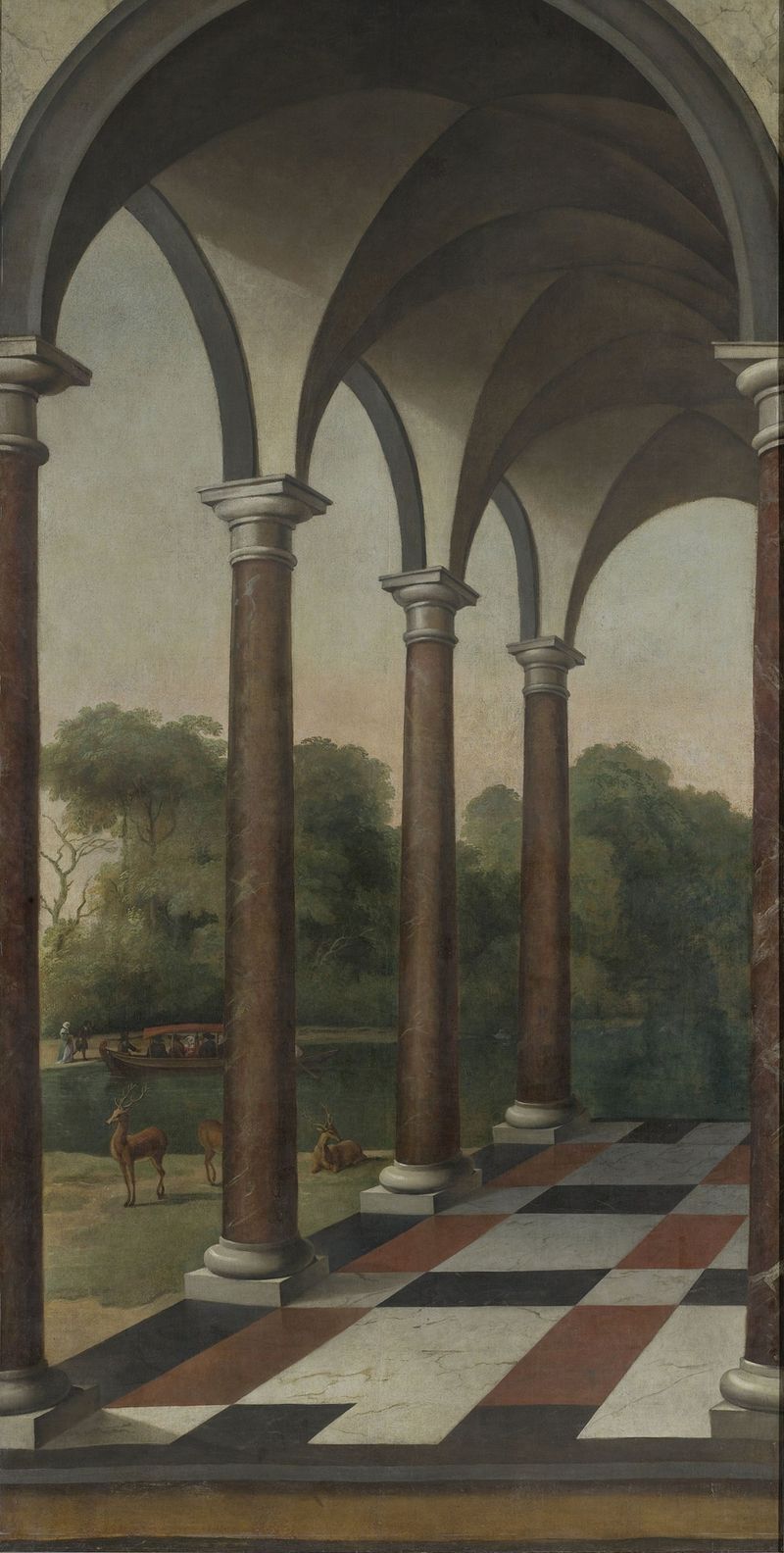
More Religious Art
Browse all →
The Return of the Prodigal Son
Rembrandt van Rijn

The Garden of Earthly Delights
El Bosco

Count Orgaz’ funeral
El Greco

The Hundred Guilder Print: the central piece with Christ preaching, the plate arched
Rembrandt van Rijn

The Descent from the Cross
Rogier van der Weyden

The return of the prodigal son
Rembrandt van Rijn