Salad bowl — History & Facts
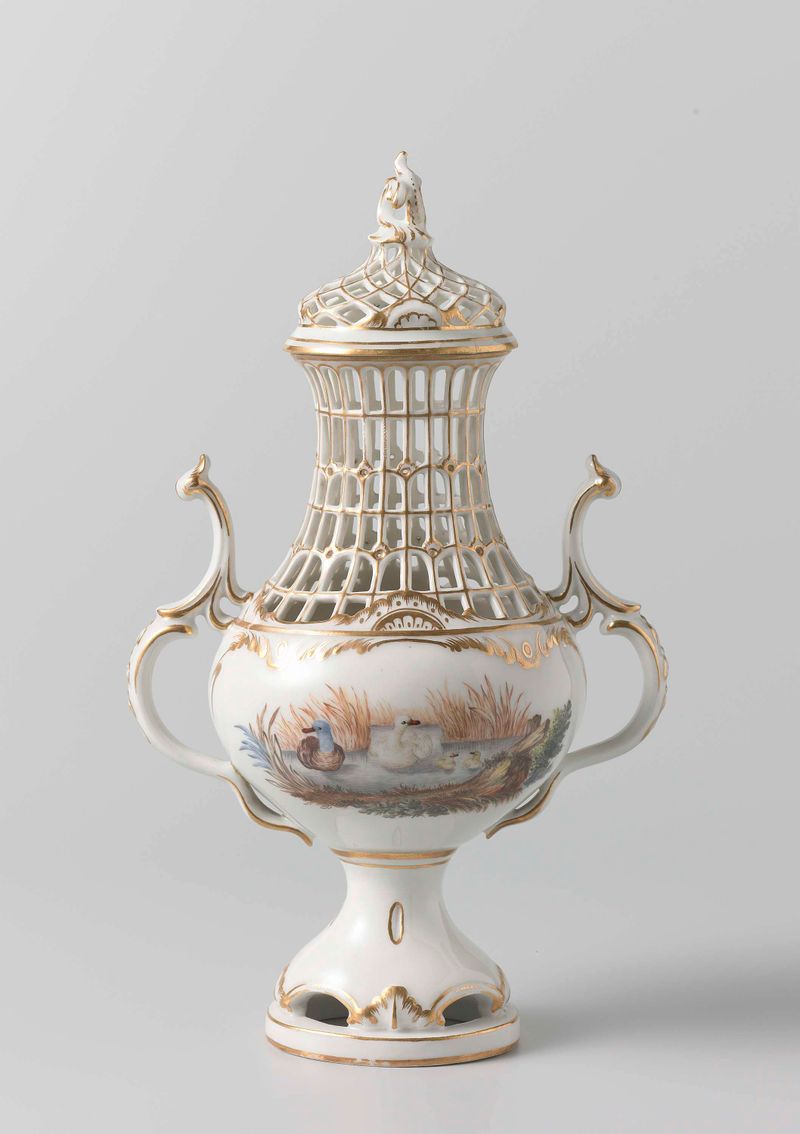
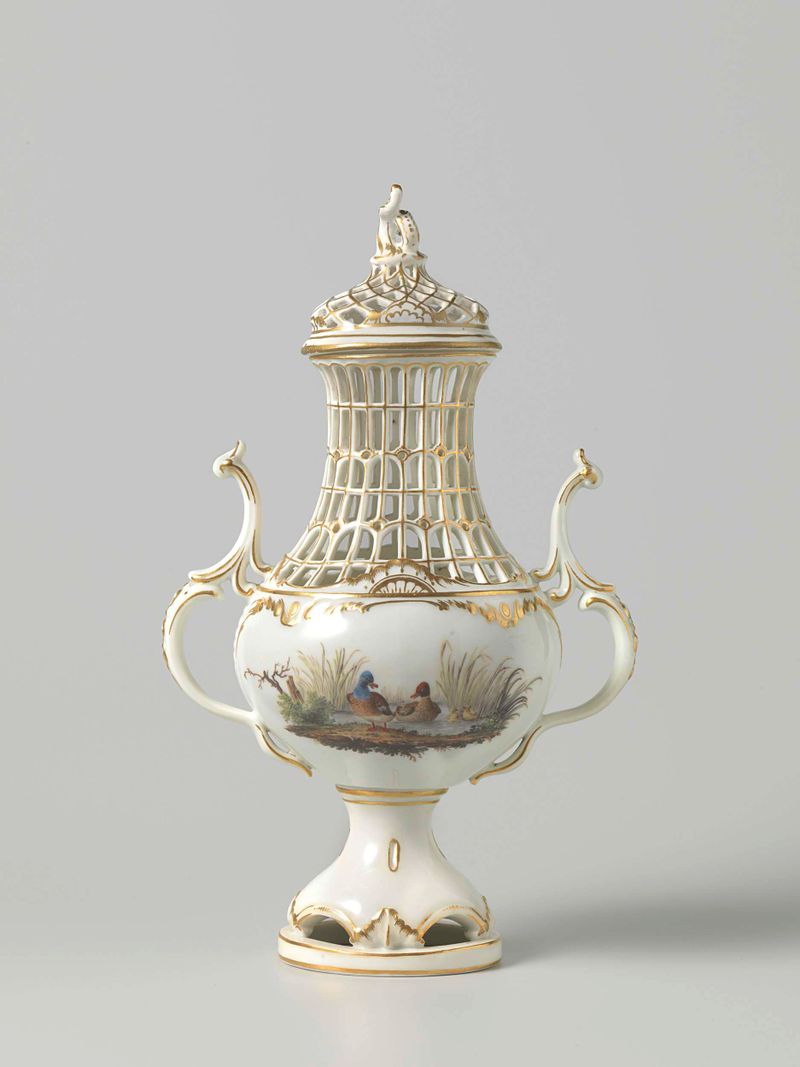
In a society that often prioritizes the mundane, a single piece can encapsulate the beauty of obsession, transforming everyday life into something extraordinary. Focus on the delicate curves of the salad bowl, where the porcelain glimmers under soft light, inviting you to touch it. Notice the intricate floral patterns that dance across its surface, each blossom seemingly alive with color and detail. The interplay of white and the vibrant hues creates not just a vessel for food, but a canvas that elevates the ordinary act of dining into an artistic ritual.
The craftsmanship draws your eye with a subtle elegance that reflects not only skill but passion. The bowl speaks of a deeper obsession with beauty and perfection, mirroring the era’s dedication to refinement and the home. Each floral motif tells a story, a celebration of nature's bounty that transcends its utilitarian purpose. The contrast between the smooth porcelain and the vibrant designs suggests a tension between the ephemeral nature of food and the lasting value of artistry, inviting contemplation on what we cherish. Created between 1784 and 1809 in the Netherlands, this piece emerged during a time of burgeoning artistic exploration and craftsmanship.
The Porceleinfabriek aan den Amstel, known for its exquisite porcelain creations, was deeply invested in pushing the boundaries of design, reflecting the cultural shift towards appreciating artistry in everyday objects. This period, rich in Enlightenment ideals, positioned art and domesticity in a new light, marking a significant evolution in the decorative arts.