
Samuel Adams (1722-1803), after John Singleton Copley (1738-1815) — History & Facts
What if silence could speak through light? In Samuel Adams, a portrait emerges that captures the essence of a revolutionary spirit, yet hints at the fragility of its very foundation. Look to the left, where Adams’ contemplative gaze emerges from the shadows, illuminated softly by a warm, golden light. The play of light across his face reveals not just his resolute expression, but also the delicate brushwork that brings life to the fabric of his coat. Notice how the muted palette — rich browns and deep greens — contrasts with the striking white of the shirt, creating a balance that suggests both authority and vulnerability.
Each detail, from the gentle shadowing of his cheekbones to the texture of his clothing, embodies a profound intimacy often lost in larger historical canvases. Beneath this stoic exterior lies a wealth of complexity. Adams' posture, slightly leaning forward, speaks of a man on the precipice of action, embodying the weight of political responsibility in a time of upheaval. The soft light that bathes him suggests an ethereal quality, hinting at the fleeting nature of influence and the fragility of ideals.
This juxtaposition invites viewers to consider not just the man himself, but the ideals he represents — both steadfast and precarious in the face of changing tides. Created around 1818, this portrait was rendered by an artist emerging from the influence of neoclassical ideals, during a period when America was still defining its identity. Otis, capturing a pivotal figure of the Revolution, navigated the political landscape that surrounded him, reflecting a nation grappling with its newfound independence. This moment in history, marked by both triumph and uncertainty, echoes poignantly within the very essence of the portrait.
More Artworks by Bass Otis
Browse all →
More Portrait Art
Browse all →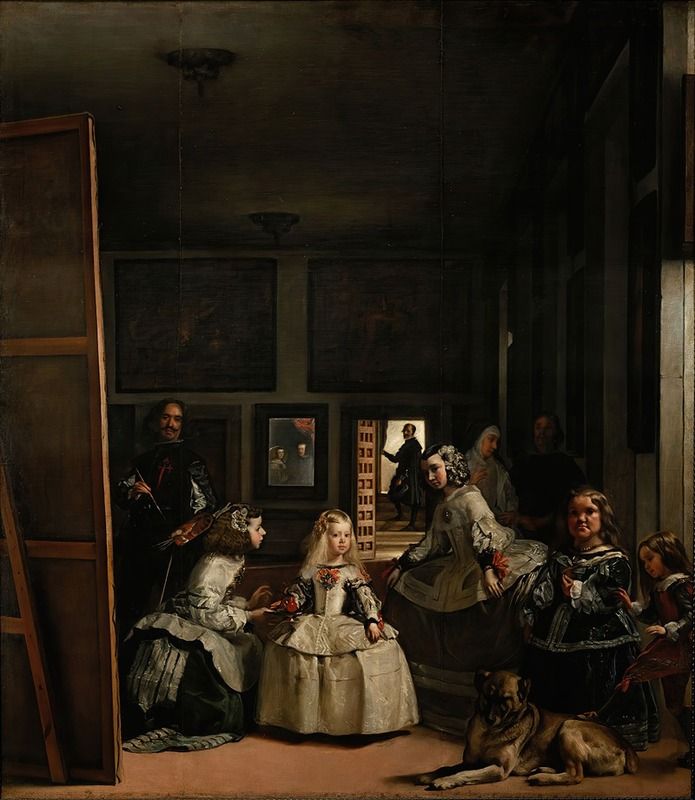
Las meninas
Diego Velázquez
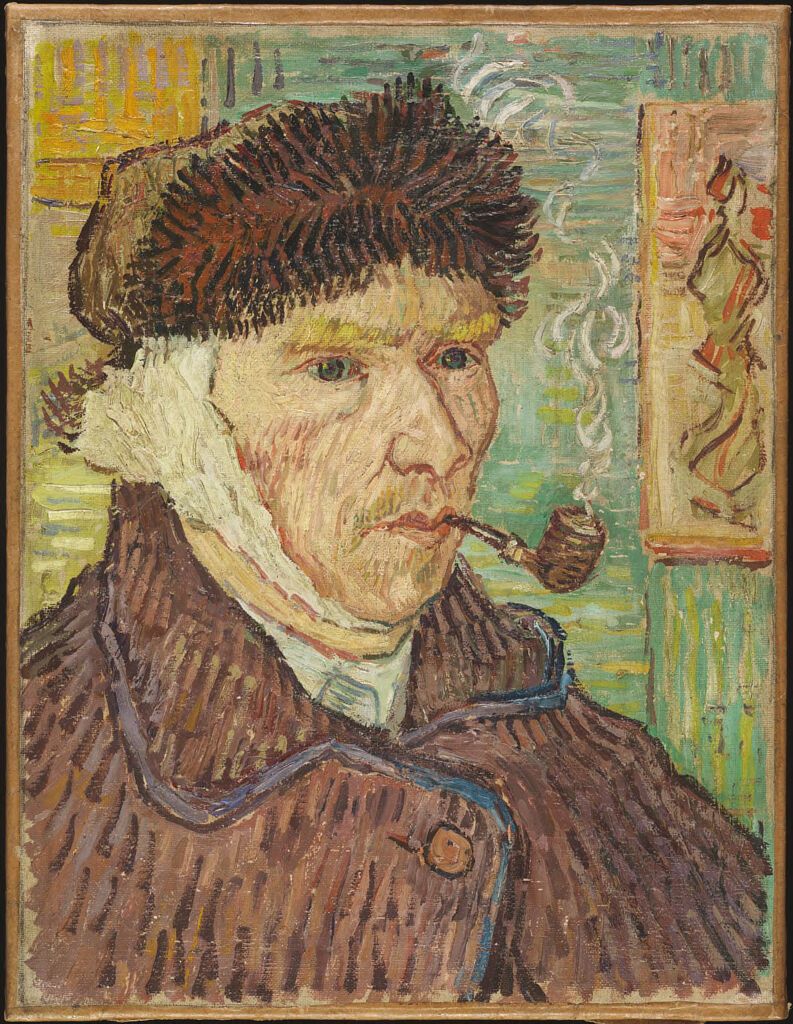
Self-portrait with a Bandaged Ear and Pipe
Unidentified artist
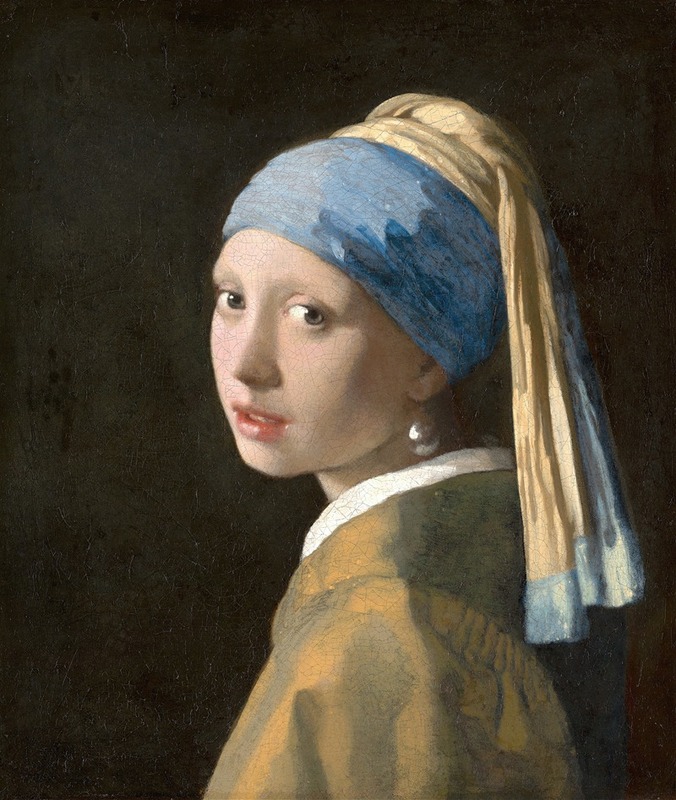
Girl with a Pearl Earring
Johannes Vermeer

The Sampling Officials of the Amsterdam Drapers’ Guild, Known as ‘The Syndics’
Rembrandt van Rijn

The Hundred Guilder Print: the man seen on the back in the lower left corner
Rembrandt van Rijn

Portrait of Dr Gachet
Vincent van Gogh