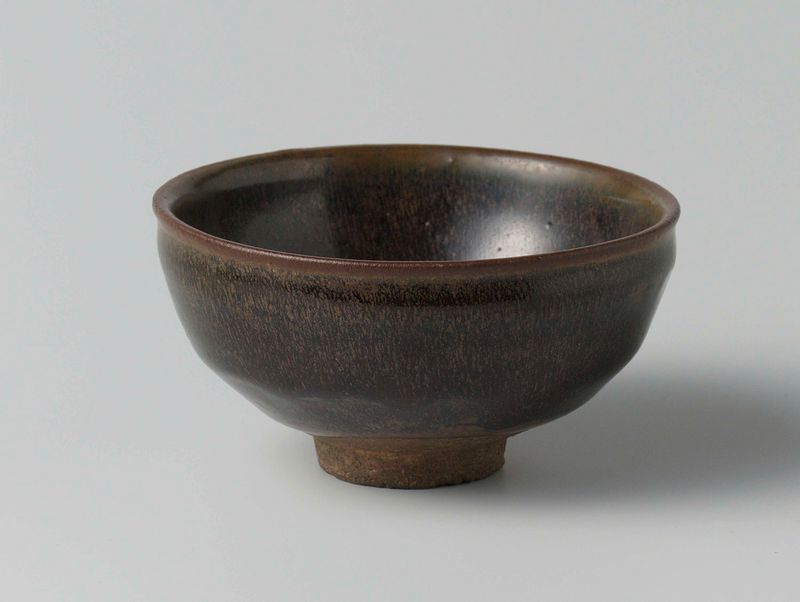
Schaal — History & Facts
In a world where obsessions take shape, the tension between desire and reality often unfolds in vivid hues. Look to the left at the sweeping curves of the painted lines, where the artist masterfully weaves a tapestry of color that captivates the eye. The bold strokes of deep indigo and warm reds draw the viewer in, while the delicate, intricate patterns invite closer inspection. Notice how the gradations of color intermingle, creating a sense of movement that breathes life into the canvas.
Each section pulses with an energy that speaks to the obsessive nature of creativity itself, framing an emotional landscape that is as captivating as it is complex. Delve deeper into the jagged edges and smooth transitions, where the juxtaposition of chaos and harmony reveals a hidden narrative. The way certain colors clash while others blend seamlessly suggests an internal struggle—perhaps the artist’s own conflict between societal expectations and personal expression. This tension creates an undercurrent of urgency, a whisper of obsession that can be felt rather than seen, challenging the viewer to confront their own passions and dilemmas. At around 1873, Yutokusai was immersed in the vibrant world of ukiyo-e, a genre that blended tradition with innovation in Japanese art.
This period was marked by a growing fascination with Western styles, yet the artist remained rooted in his own cultural heritage. During this time, Japan was opening its doors to the world, creating a rich backdrop of change that influenced the direction of his work, as he explored the boundaries of color, emotion, and thematic depth.