
Study of a Woman's Head — History & Facts
Where does light end, and longing begin? In the delicate interplay of shadow and illumination, a haunting melancholy blossoms, inviting the viewer to ponder the emotions embedded within the canvas. Look closely at the woman's face, where soft brushstrokes create a tender yet unresolved expression. Notice how the light cascades from above, kissing her cheek with warmth while casting deeper shadows around her eyes, hinting at untold stories. The rich, muted palette emphasizes the emotional weight of the moment, drawing you into her introspective gaze as your eyes travel across her features—each line a whisper of her innermost thoughts. In the subtleties of her expression, one may find echoes of loss, a deep yearning that seems to resonate beyond the surface.
The contrast between light and shadow embodies the duality of hope and despair, urging the viewer to reflect on their own experiences of longing. The woman's head, turned ever so slightly away, suggests a vulnerability that invites empathy, blurring the line between observer and subject. Frank Duveneck painted this work around 1879-1880 during his time in Munich, where he was influenced by the realist movement and the emerging styles of Impressionism. This period marked a significant transition in his artistic journey, as he sought to convey not just likeness but also the emotional truth behind the face.
At a time when America was redefining its artistic identity, Duveneck's exploration of light and emotion signaled a deepening engagement with the human experience.
More Artworks by Frank Duveneck
Browse all →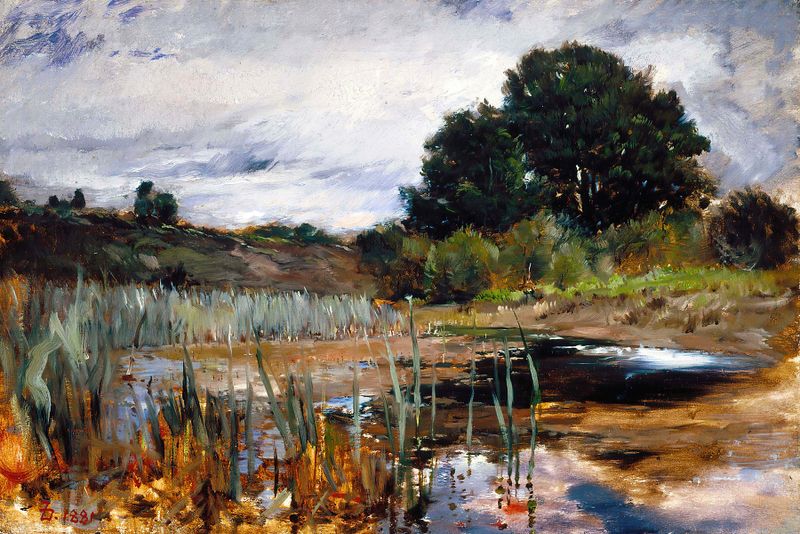

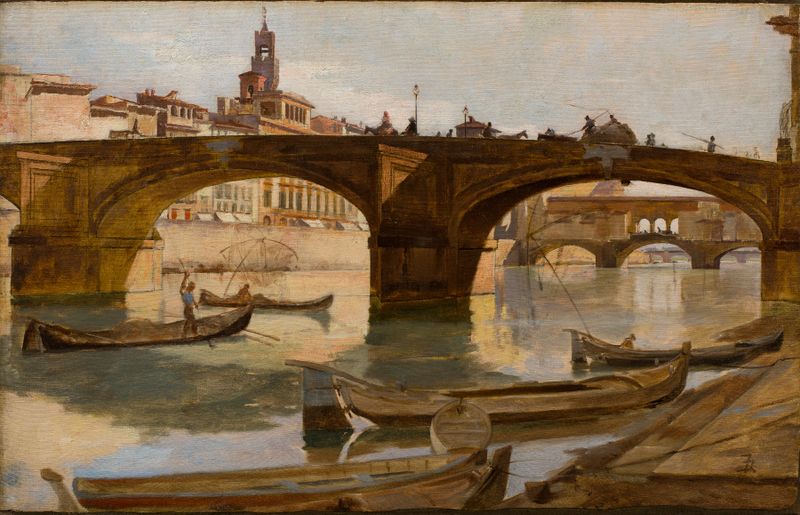
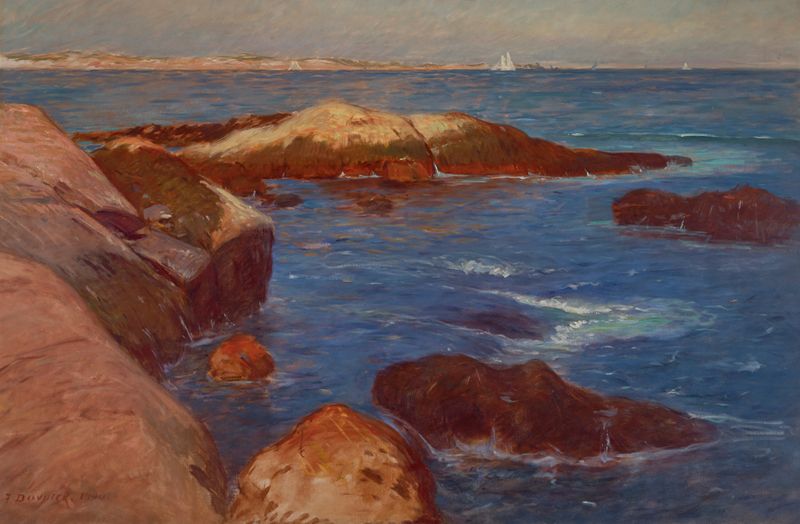
More Portrait Art
Browse all →
Las meninas
Diego Velázquez

Self-portrait with a Bandaged Ear and Pipe
Unidentified artist

Girl with a Pearl Earring
Johannes Vermeer

The Sampling Officials of the Amsterdam Drapers’ Guild, Known as ‘The Syndics’
Rembrandt van Rijn

The Hundred Guilder Print: the man seen on the back in the lower left corner
Rembrandt van Rijn

Portrait of Dr Gachet
Vincent van Gogh