
The Annunciation — History & Facts
Within its layers of paint, the essence of innocence breathes, capturing the delicate balance between the sacred and the mundane. This moment, suspended in time, invites viewers to ponder the interplay of faith and vulnerability. Look to the upper left at the radiant figure of the archangel Gabriel, resplendent in golden robes that shimmer against the deep blues of the background. His outstretched hand seems to cradle the air itself, creating a tangible tension that draws the eye.
Notice how the soft light bathes the Virgin Mary in a gentle glow, illuminating her serene visage as she contemplates the divine message. The composition, with Gabriel's dynamic pose and Mary's tranquil demeanor, evokes a powerful dialogue between heavenly authority and human acceptance. Delve deeper into the subtleties of the scene: the white lilies near Mary symbolize purity, while her slightly parted lips convey a hesitant acceptance, a quiet strength in the face of the extraordinary. The contrasting emotions reflected in their expressions hint at the profound implications of the announcement, where innocence meets the weight of destiny.
This tension resonates, reminding us of the fragility of human experience when touched by the divine. Frans Francken II painted this work circa 1620, during a time when the Northern Renaissance was flourishing with intricate details and vibrant colors. Residing in Antwerp, he was part of a thriving artistic community, influenced by the Baroque style that sought to evoke emotion and narrative through visual storytelling. This piece reflects both personal and broader cultural shifts, as themes of religious significance were deeply woven into the fabric of everyday life.
More Artworks by Frans Francken II
Browse all →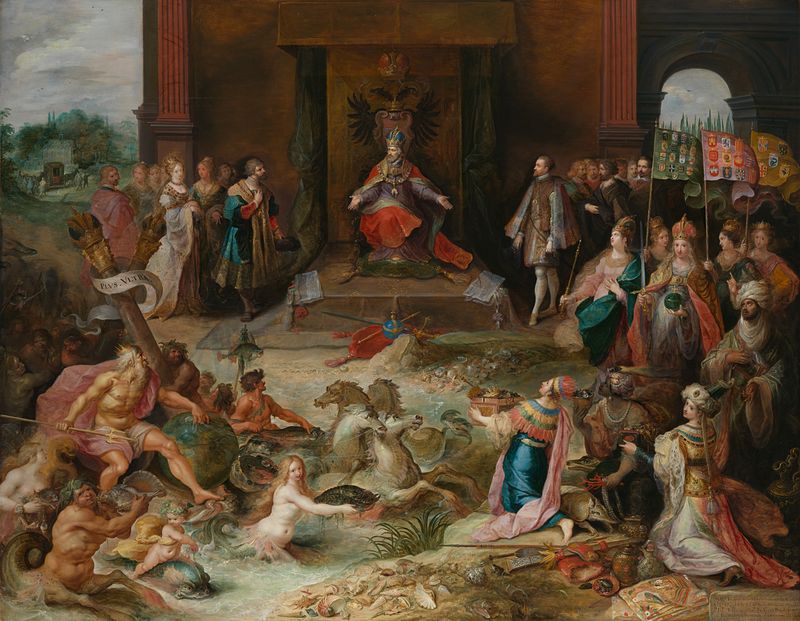
More Religious Art
Browse all →
The Return of the Prodigal Son
Rembrandt van Rijn

The Garden of Earthly Delights
El Bosco

Count Orgaz’ funeral
El Greco

The Hundred Guilder Print: the central piece with Christ preaching, the plate arched
Rembrandt van Rijn

The Descent from the Cross
Rogier van der Weyden

The return of the prodigal son
Rembrandt van Rijn