
The Annunciation to the Shepherds — History & Facts
This statement resonates deeply with the beauty captured in the painting, where the divine meets the earthly in a whisper of light and shadow. In this moment, the viewer is invited to contemplate the intersection of the everyday and the sacred. Look to the left, where the shepherds stand in collective awe, their weathered faces illuminated by a soft, ethereal glow. Notice how the artist employs a gentle palette of earth tones contrasted with the vibrant whites and golds of the heavenly presence, creating a palpable warmth.
The composition is masterful, with diagonal lines leading the eye towards the focal point where angels announce the miraculous news, enveloping the scene in a divine grace that feels almost tangible. Yet, it is the interplay of emotion that elevates this work. The shepherds, humble and rugged, represent the common man, while the celestial figures above symbolize aspiration and hope. A tension arises from this contrast; the mundane meets the miraculous, suggesting that beauty can emerge even in the most unexpected places.
The delicacy of the angels juxtaposed with the ruggedness of the shepherds serves as a reminder of the human condition, eternally seeking connection with something greater. In the 17th century, Adam Colonia was creating this piece at a time when artistic expression was intricately tied to religious themes. Painted during a period of heightened spirituality in Europe, the artist was influenced by the Baroque style, which emphasized emotion and grandeur. This context influenced his rendering of both divine and earthly realms, reflecting a world yearning for transcendence amid the everyday struggles of life.
More Artworks by Adam Colonia
Browse all →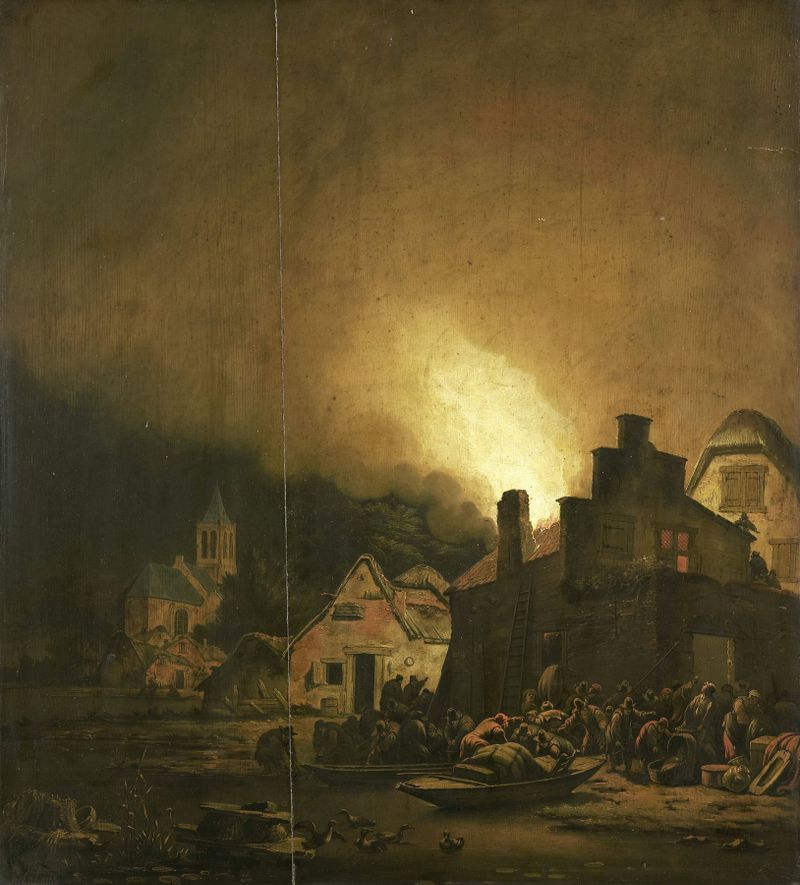
More Religious Art
Browse all →
The Return of the Prodigal Son
Rembrandt van Rijn

The Garden of Earthly Delights
El Bosco

Count Orgaz’ funeral
El Greco

The Hundred Guilder Print: the central piece with Christ preaching, the plate arched
Rembrandt van Rijn

The Descent from the Cross
Rogier van der Weyden

The return of the prodigal son
Rembrandt van Rijn