Discover insights about this artwork
The Arab Tale-teller — History & Facts
In The Arab Tale-teller, Horace Vernet presents a vibrant scene filled with rich colors. The central figure, an Arab tale-teller, is dressed in traditional attire, surrounded by an attentive audience. The background features intricate architectural elements that suggest an exotic setting.
The warm tones of the fabric and the detailed expressions of the listeners create a lively atmosphere. This painting is executed in oil on canvas, a medium that allows for the depth of color and detail seen in the work. Vernet's brushwork is visible in the textures of the clothing and the architectural details. The dimensions are approximately 100 x 150 cm, making it a sizable piece that draws viewers in.
The composition is carefully arranged to guide the eye towards the tale-teller and his audience. Horace Vernet was known for his depictions of Orientalist themes, and this work exemplifies his fascination with Middle Eastern culture. Created in the 1830s, it reflects the Western interest in the exotic and the romanticized view of the East during that period. An interesting fact about this painting is that it captures a moment of storytelling, a tradition that has deep cultural significance in Arab societies.
Vernet's ability to convey emotion and narrative through his art makes this piece notable within his oeuvre.
More Artworks by Horace Vernet
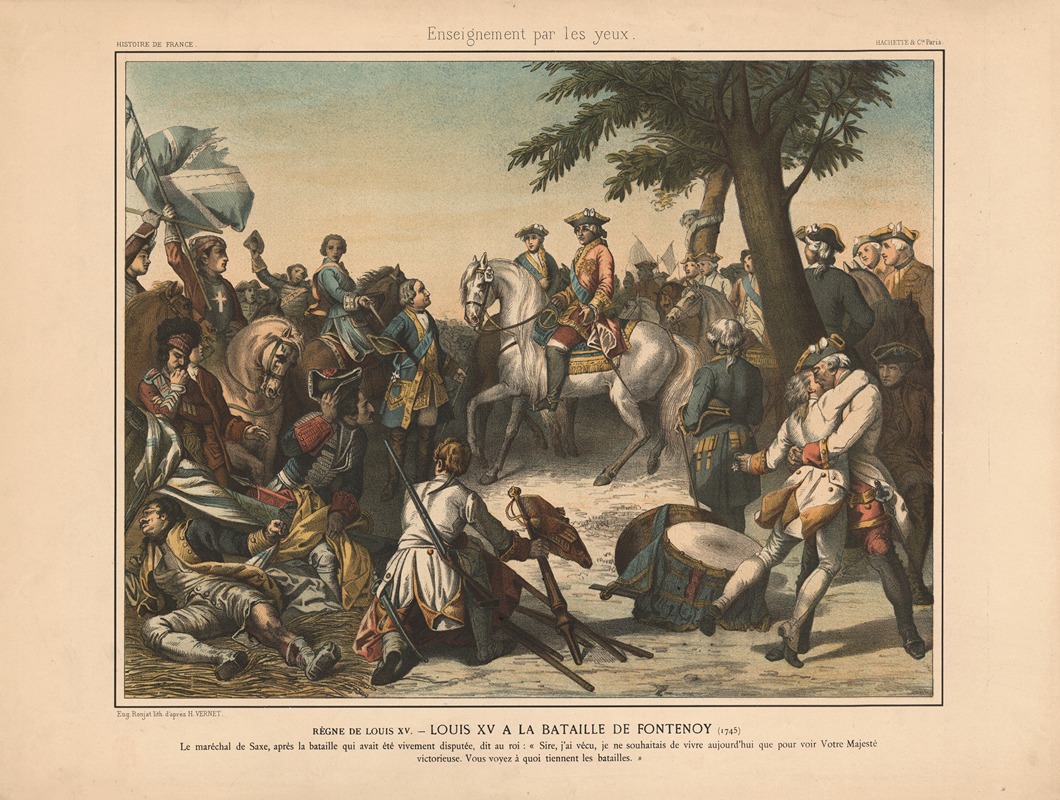
Reign of Louis XV – Louis XV at the Battle of Fontenoy
Horace Vernet
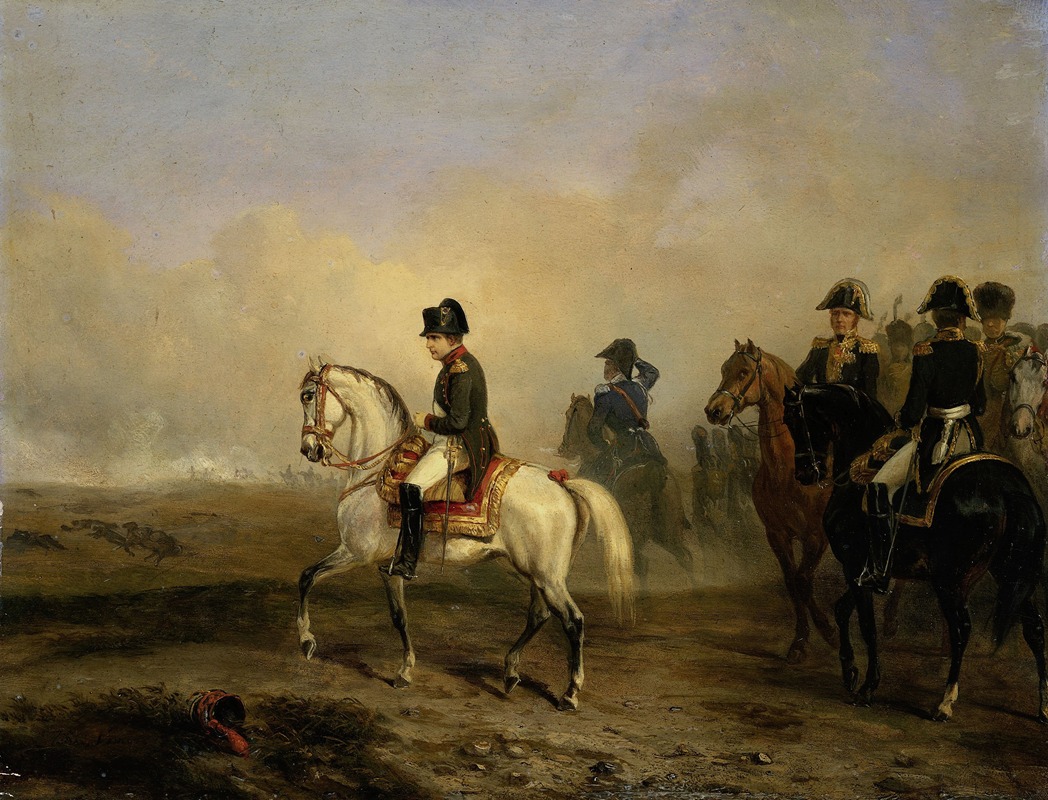
Keizer Napoleon I en zijn staf te paard
Horace Vernet

Jeremiah on the ruins of Jerusalem
Horace Vernet
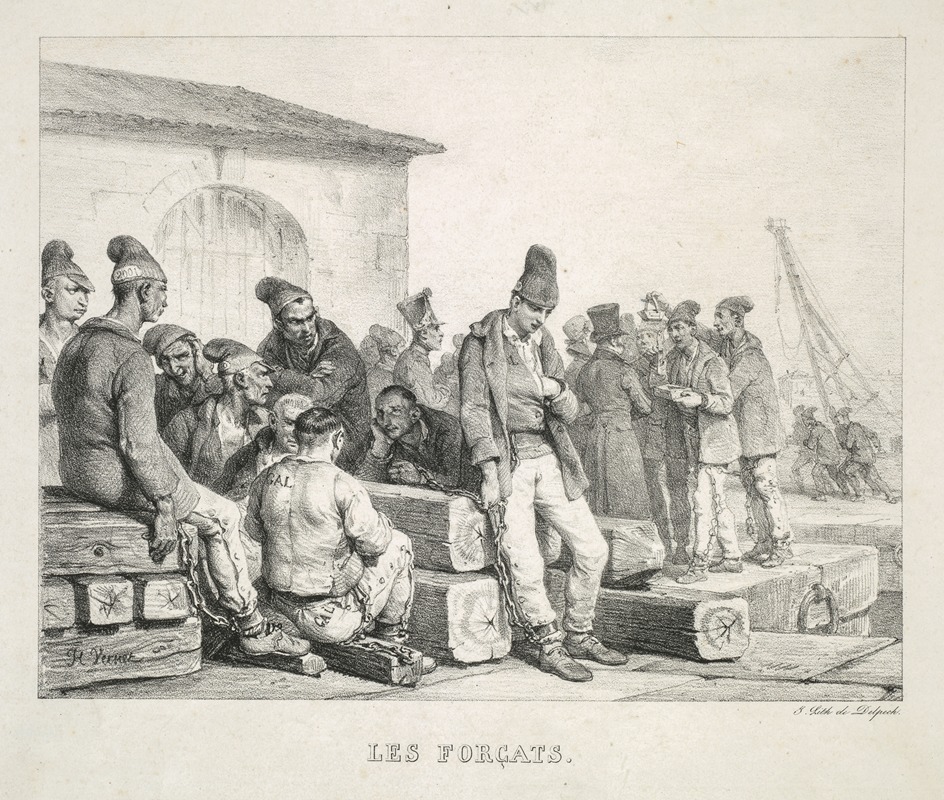
The Convicts
Horace Vernet
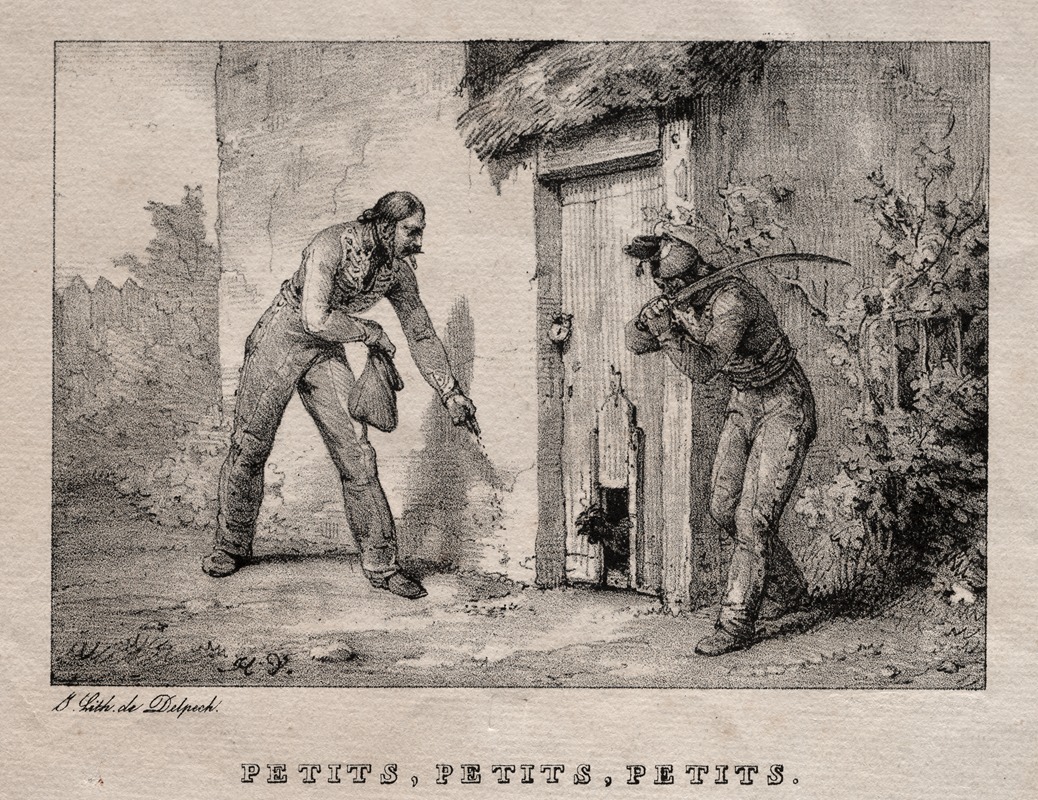
Marauders (Maraudeurs. Petits! Petits! Petits!)
Horace Vernet
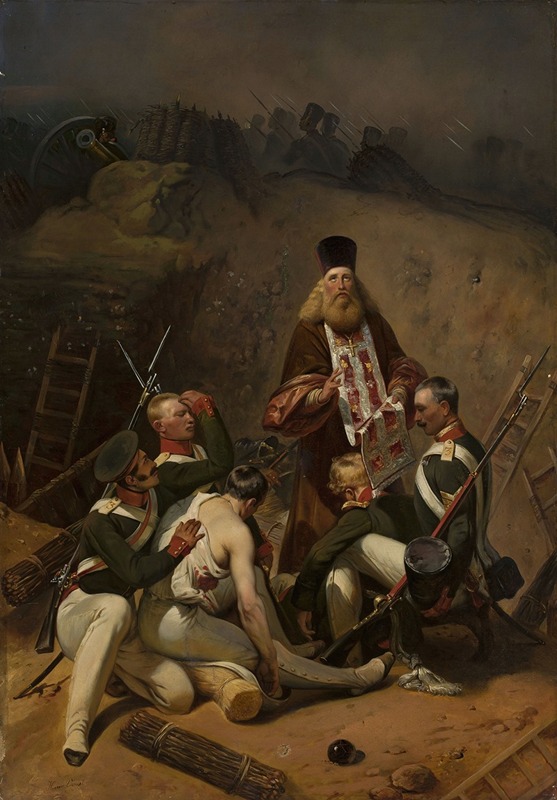
Priest blessing soldiers
Horace Vernet
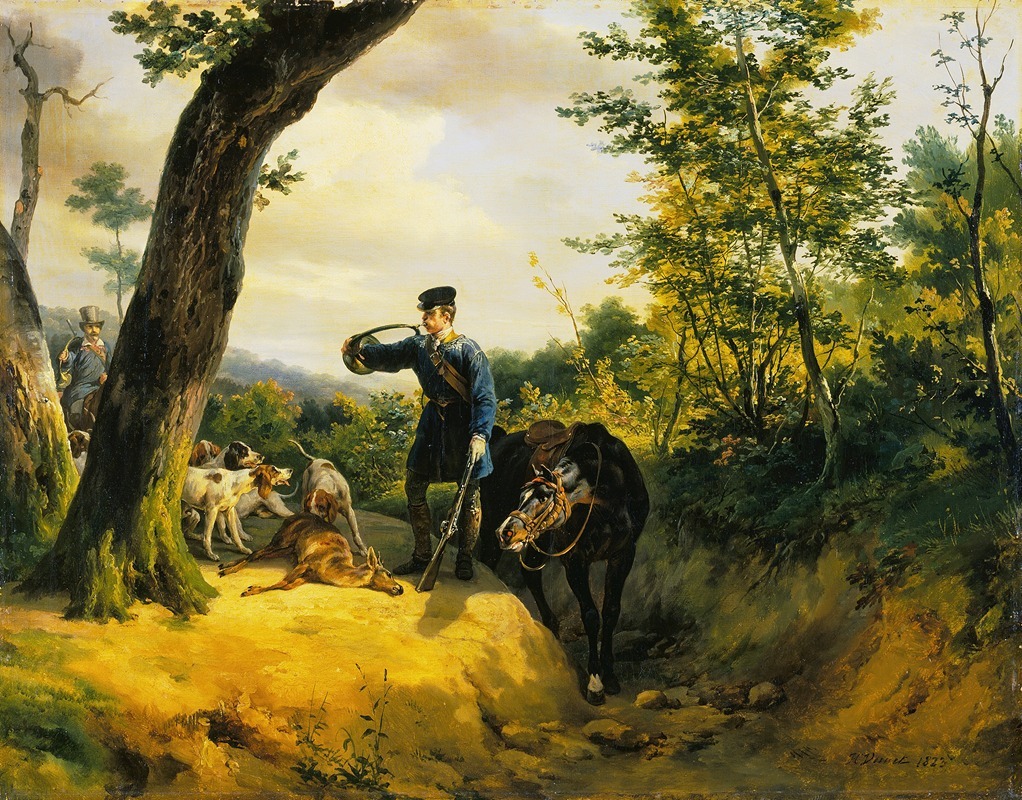
The Quarry
Horace Vernet
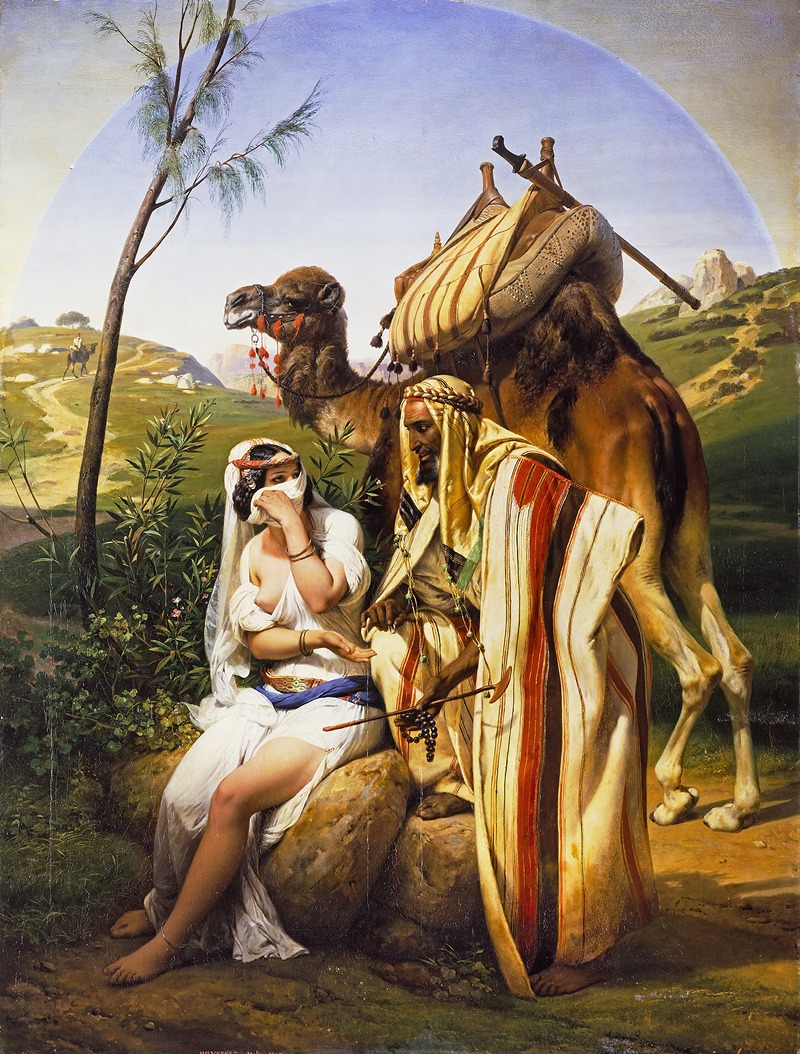
Judah and Tamar
Horace Vernet
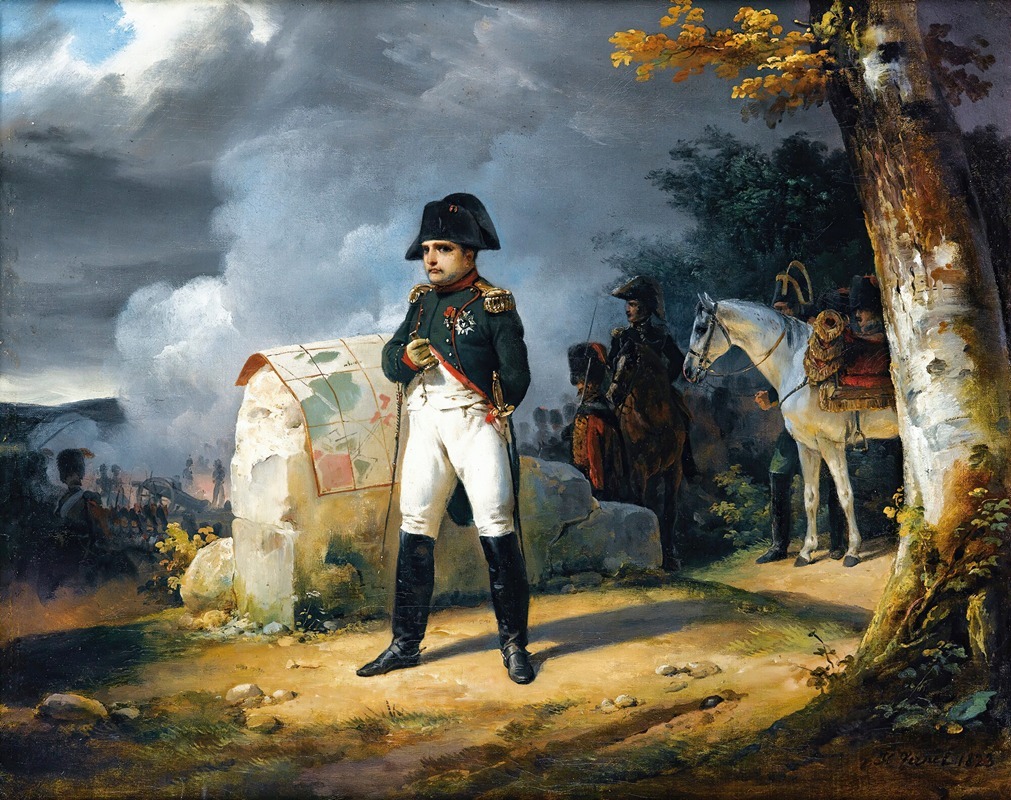
Napoleon In Charleroi June
Horace Vernet
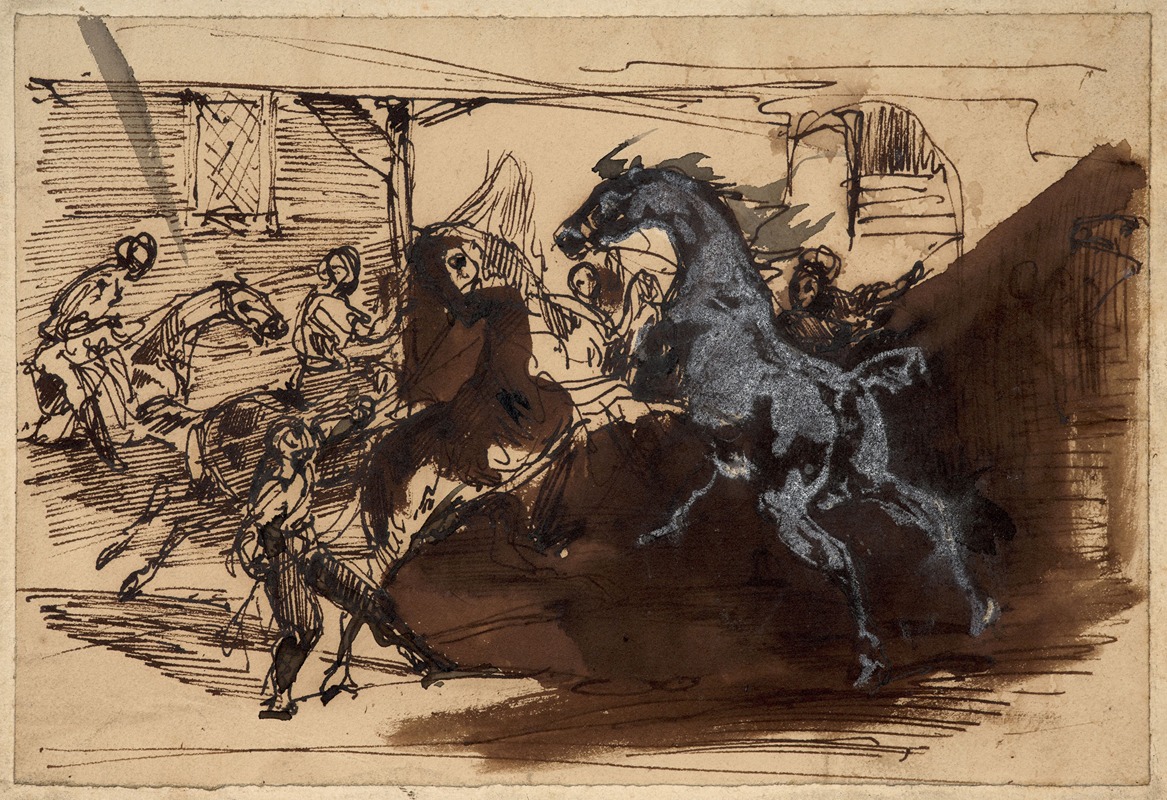
La course des chevaux libres à Rome
Horace Vernet