
The Archangel Gabriel of the Annunciation — History & Facts
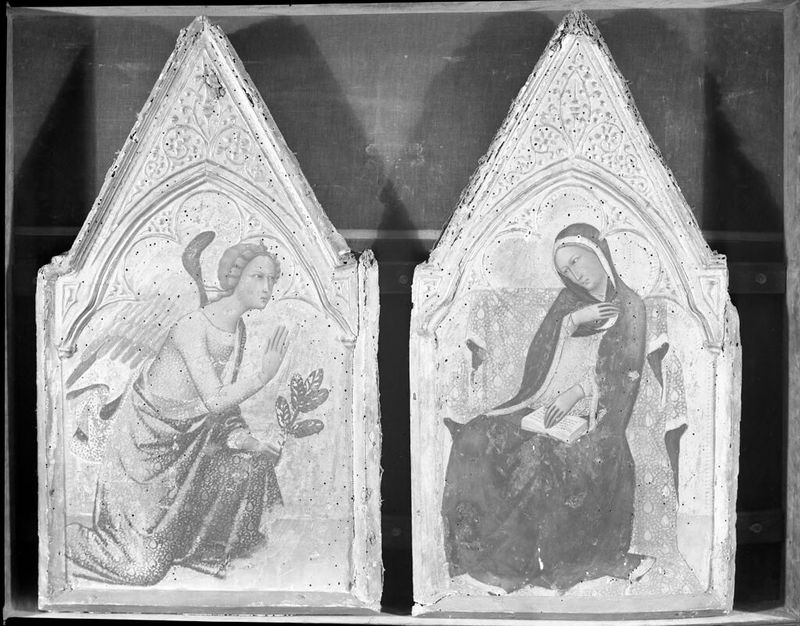
This thought lingers as one gazes upon the resplendent figure of a celestial messenger, embodying both grace and an unsettling depth. Focus on the Archangel Gabriel, his luminous wings unfurled, a golden halo framing his serene visage. Notice how the rich hues of blue and gold envelop him, suggesting divinity while evoking the weight of expectation. Each brushstroke is deliberate, presenting a figure poised between two worlds—reality and the ethereal.
The intricate detailing of Gabriel’s flowing robes draws the eye, inviting a deeper examination of the texture and movement that breathes life into the fabric. Yet beneath the heavenly exterior, there lies a poignant tension. The archangel's expression, serene yet distant, hints at the burden of divine duty. Look closely at the gentle grasp of his hand; it extends not just to welcome but to declare—an offering fraught with the inevitability of fate.
The contrast between the vibrant colors and the somber undertone suggests a duality where beauty is intertwined with the solemnity of purpose, reminding us that divine messages often come with sacrifices. Created in the 14th-15th century, the work emerged during a time when the Renaissance was redefining the boundaries of art and spirituality. Andrea Vanni, a prominent artist in Sienna, painted this piece amidst a landscape rich in religious fervor and artistic innovation. It reflects the era's blend of sacred narratives with human emotion, capturing a moment where the divine intersected profoundly with the human experience.
More Artworks by Andrea Vanni
Browse all →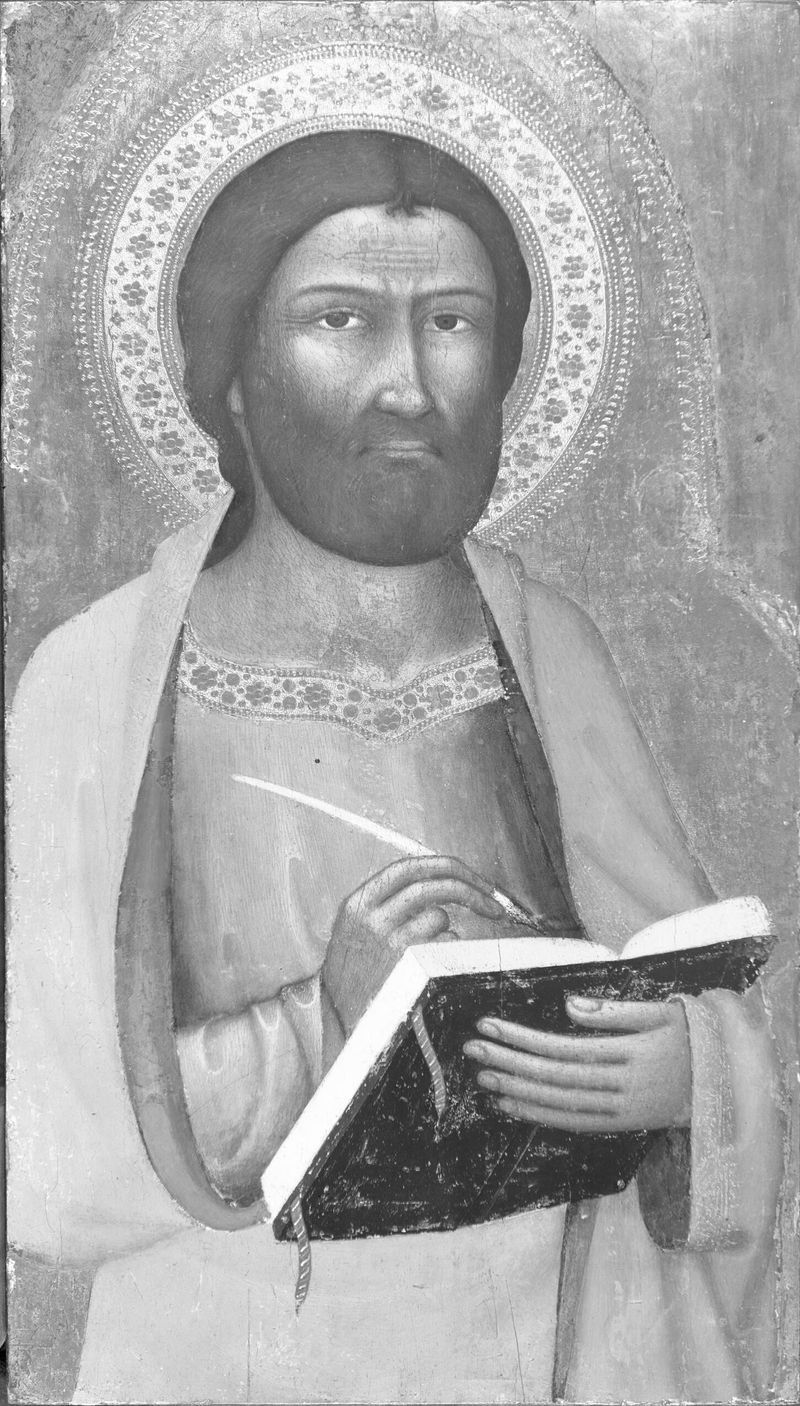
More Religious Art
Browse all →
The Return of the Prodigal Son
Rembrandt van Rijn

The Garden of Earthly Delights
El Bosco

Count Orgaz’ funeral
El Greco

The Hundred Guilder Print: the central piece with Christ preaching, the plate arched
Rembrandt van Rijn

The Descent from the Cross
Rogier van der Weyden

The return of the prodigal son
Rembrandt van Rijn